
Is daily pain holding you back?
Chronic pain can persist for months, often beyond the expected recovery time. This ongoing discomfort may interfere with work, sleep, and daily routines. Finding ways to manage symptoms can help improve your overall well-being.
Find Relief and Restore Comfort Naturally
Support for lasting relief.
The DRIPBaR offers targeted support for those living with chronic pain, focusing on reducing inflammation and promoting tissue recovery. Our approach uses nutrient infusions to help relax muscles, ease nerve discomfort, and support the body’s natural recovery processes. By addressing underlying factors like oxidative stress and muscle tension, our therapies aim to improve mobility and overall comfort. Regular sessions can help you manage pain more effectively and support a better quality of life.
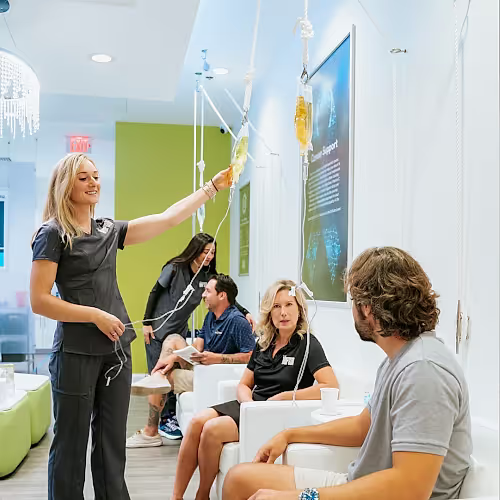
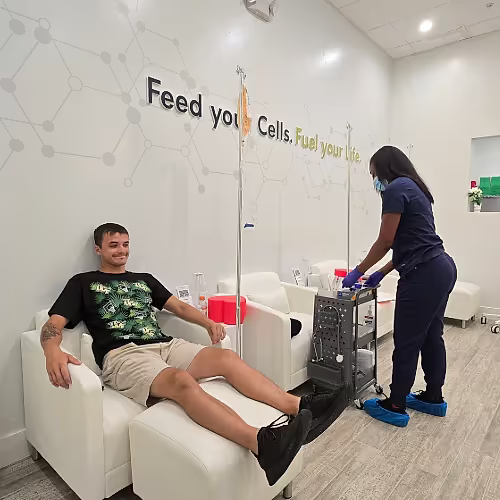
At The DRIPBaR Johnstown, you’ll find a welcoming environment and knowledgeable staff ready to guide you through your wellness journey. We tailor our services to meet your individual needs, whether you’re managing arthritis, recovering from injury, or seeking non-pharmaceutical options. Our team is here to answer your questions and help you feel at ease. Book your appointment today to take the next step toward relief.
Did you know?
Chronic pain affects about one in five adults and can impact both physical and mental well-being.
Understanding Chronic Pain Relief
Chronic pain is defined as discomfort that lasts longer than three months, often continuing after the original injury or cause has healed. This condition can affect any part of the body and may range from mild aches to severe, persistent pain. It can be caused by injury, nerve damage, inflammation, or underlying health conditions such as arthritis or fibromyalgia. Over time, chronic pain can impact mental health, leading to increased stress, anxiety, or depression.
Common triggers include poor posture, lack of movement, stress, and inadequate sleep, all of which can worsen symptoms. Managing chronic pain often requires a combination of approaches, including lifestyle changes, physical activity, and supportive therapies. Tracking changes in pain levels and daily function can help you understand what strategies work best. A balanced plan may improve comfort and help maintain independence.
Common Symptoms of Chronic Pain
Chronic pain often presents as persistent aches, sharp sensations, or burning discomfort that lasts for months or even years. The pain may be localized to one area, such as the back or joints, or it can be widespread throughout the body. Many people experience increased sensitivity to touch, temperature, or movement, which can make daily activities challenging. Over time, this ongoing discomfort can lead to fatigue and reduced motivation.
Other symptoms may include muscle stiffness, limited range of motion, and swelling in affected areas. Some individuals notice that their pain worsens with changes in weather, stress, or after periods of inactivity. Sleep disturbances are common, as pain can make it difficult to fall or stay asleep. Emotional symptoms, such as irritability or low mood, may also develop as a result of ongoing discomfort.
Chronic pain can interfere with work, hobbies, and social interactions, sometimes leading to isolation or withdrawal. The unpredictable nature of pain flares may cause anxiety about future episodes. People may also experience difficulty concentrating or remembering tasks due to the constant distraction of pain. Recognizing these patterns can help guide effective management strategies.
Traditional Treatments
Traditional treatments for chronic pain often include medications such as nonsteroidal anti-inflammatory drugs, muscle relaxants, and nerve pain modulators. Physical therapy and gentle exercise are commonly recommended to improve mobility and strengthen muscles, while counseling or cognitive-behavioral therapy can help address the emotional impact of ongoing pain. Some individuals benefit from complementary approaches like acupuncture or massage, which may provide additional relief. Managing chronic pain usually involves a combination of these strategies tailored to each person’s needs. Lifestyle changes, such as improving sleep habits, reducing stress, and staying active, can play a significant role in symptom control. Regular follow-up with healthcare providers helps monitor progress and adjust the plan as needed. The goal is to reduce pain, enhance function, and support overall quality of life.
How IV Therapy May Help
Our services are designed to support individuals seeking natural ways to manage chronic pain. IV therapy delivers targeted nutrients and hydration directly into the bloodstream, which may help reduce inflammation, relax muscles, and support nerve health. This approach can complement your existing pain management plan and may offer relief from symptoms like muscle tension and fatigue. Our team provides a comfortable setting and personalized care to help you feel supported throughout your wellness journey. By focusing on the body’s natural recovery processes, our therapies aim to improve mobility and promote tissue recovery. Regular sessions may help you track progress and notice changes in comfort or daily function over time. We believe in a balanced approach that works alongside traditional methods, offering another option for those looking to enhance their quality of life. Our staff is committed to helping you find the right combination of support for your needs.
Therapies That Support Pain Relief
Certain wellness therapies can help ease discomfort, relax muscles, and support recovery from ongoing pain. These approaches focus on reducing inflammation and promoting relaxation. Integrative options may complement your existing pain management plan.
Soother
Soother is a restorative intravenous infusion that delivers key nutrients like Magnesium, Calcium, and Taurine directly into the bloodstream. This approach supports muscle relaxation, mental balance, and improved sleep quality. The infusion bypasses digestive limitations for faster nutrient absorption. It is designed for individuals seeking relief from stress, tension, and fatigue. The formula promotes mental clarity and physical recovery. This treatment offers a gentle way to restore balance and resilience. It fits well within a proactive wellness routine.
Such a great experience! can’t wait to come back
Very clean, very nice staff. Enjoyed the experience
Ready to Get Started?
Feel your best with a treatment designed to support your goals! Whether you’re looking for hydration, energy, immune support, recovery, or overall wellness, our team will help you choose the right option and make sure your experience is comfortable from start to finish. Click the Book Appointment button below to pick your reserve a time that fits your schedule.