
Why does recovery feel so slow?
After finishing treatment, many expect to bounce back quickly, but lingering fatigue and weakness can persist. These symptoms may be frustrating and can affect daily routines. It is important to recognize that recovery is a gradual process and varies for each individual.
Restore Strength and Support Recovery
Personalized recovery support.
Many people find that the weeks following chemotherapy are marked by low energy, immune challenges, and difficulty regaining their usual routines. The DRIPBaR offers supportive therapies that focus on replenishing nutrients, restoring hydration, and helping the body recover from treatment-related stress. Our approach is designed to help ease fatigue, support immune balance, and promote overall well-being. Each session is tailored to individual needs, providing comfort and encouragement during the recovery journey.
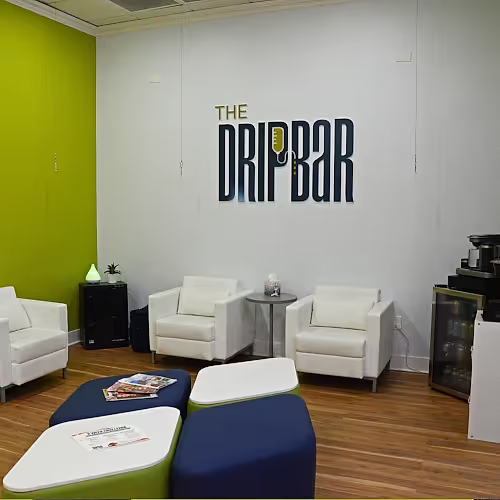
At The DRIPBaR Johnstown, our team provides a welcoming environment where you can focus on recovery at your own pace. We use evidence-informed protocols to deliver nutrients and hydration directly to your system, aiming to help you feel more like yourself again. Our services are overseen by licensed providers to ensure your safety and comfort. Book your appointment today to take the next step in your recovery.
Did you know?
Chemotherapy can deplete key nutrients, making targeted replenishment important for recovery and immune support.
Understanding Chemotherapy Recovery
Chemotherapy recovery refers to the period after cancer treatment when the body works to recover from both the disease and the effects of therapy. Chemotherapy targets rapidly dividing cells, which can include healthy tissues, leading to fatigue, immune suppression, and nutrient depletion. This process often results in symptoms like muscle weakness, brain fog, and increased vulnerability to infections. Recovery focuses on restoring balance, rebuilding strength, and supporting the immune system.
Common triggers for prolonged recovery include ongoing inflammation, oxidative stress, and reduced nutrient absorption. Managing these factors involves a combination of rest, balanced nutrition, hydration, and gentle activity. Integrative approaches, such as IV nutrient therapy, may offer additional support by delivering essential vitamins and antioxidants directly to the bloodstream. Recognizing individual needs and adapting care strategies can help promote a smoother recovery process.
Common Symptoms of Poor Recovery
Fatigue is one of the most common symptoms experienced after chemotherapy, often lasting weeks or even months. Many individuals notice persistent tiredness, reduced stamina, and difficulty concentrating. This can make daily activities feel more challenging and may impact mental well-being. Recognizing these patterns is important for setting realistic expectations during recovery.
Nausea, digestive changes, and muscle weakness are also frequently reported. Some people experience neuropathy, which can cause tingling or numbness in the hands and feet. Brain fog and memory lapses may occur, making it harder to focus or recall information. These symptoms often fluctuate and may improve gradually over time.
Immune suppression can increase the risk of infections, while changes in taste or appetite may affect nutrition. Cramping, sleep disturbances, and mood changes are not uncommon. Monitoring symptoms and seeking support when needed can help address concerns and promote a more comfortable recovery.
Traditional Treatments
Standard care for chemotherapy recovery typically includes rest, hydration, and a balanced diet to help the body rebuild strength. Medical teams may recommend medications to manage nausea, pain, or other lingering side effects. Physical therapy and gentle exercise are often encouraged to support mobility and energy levels. Mental support and counseling can also play a valuable role in the recovery process. Some individuals benefit from integrative therapies, such as IV nutrient infusions, which deliver vitamins and antioxidants directly to the bloodstream. These approaches are designed to complement traditional care and may help address nutrient depletion or oxidative stress. Recovery timelines vary, and it is important to work closely with your healthcare team to adjust your plan as needed. Regular follow-up and open communication can help ensure that your recovery stays on track.
How IV Therapy May Help
The DRIPBaR offers IV therapies that deliver hydration, vitamins, and antioxidants directly to your bloodstream, bypassing the digestive system for rapid absorption. This approach can help replenish nutrients lost during treatment, support immune function, and ease common symptoms like fatigue and brain fog. Our therapies are administered by licensed providers, ensuring a safe and comfortable experience tailored to your needs. Many find that this targeted support helps them feel more energized and balanced during recovery. We understand that each person's recovery journey is unique, so our services are designed to be flexible and supportive. By focusing on gentle, evidence-informed care, we aim to make the recovery process more manageable and less overwhelming. Our team is here to answer your questions and help you adapt your care plan as your needs change. Together, we work to support your well-being every step of the way.
Supportive Therapies for Recovery Needs
Specialized IV therapies can help address nutrient depletion, support immune balance, and promote tissue repair during recovery. These offerings are designed to complement your overall care plan. Many people find this approach helpful for easing fatigue and supporting well-being.
Allergy
Allergy therapy provides a blend of antioxidants, vitamins, and amino acids to support immune regulation and respiratory health. Key ingredients such as Ascorbic Acid, Methylcobalamin, B-Complex, and Glutamine work together to reduce inflammation and oxidative stress. This treatment helps repair irritated tissues and supports energy restoration. It is suitable for individuals seeking relief from immune-related discomfort and those recovering from viral illnesses. The therapy offers a comprehensive approach to improving overall wellness and resilience.
Read moreFlu Fighter
Flu Fighter is an intravenous therapy designed to deliver essential nutrients and hydration directly to the bloodstream. It includes Vitamin C, Magnesium, and Zinc, which support immune function and reduce oxidative stress. This infusion aids in tissue repair and energy restoration. It is suitable for individuals seeking to enhance recovery and maintain wellness. The therapy bypasses digestive absorption for faster, more effective nutrient delivery. It is a supportive option during periods of physical stress or illness. This approach helps promote overall resilience and balance.
Read moreHigh Dose Vitamin C
High Dose Vitamin C provides a therapeutic infusion of essential nutrients including ascorbic acid, magnesium, calcium, and potassium. This treatment supports the body’s antioxidant defenses and promotes immune resilience. It aids in tissue repair and helps reduce oxidative stress. The infusion bypasses digestive limitations for rapid nutrient absorption. It is suited for individuals seeking enhanced recovery and wellness support. Sessions are tailored to individual needs and overseen by licensed providers. This therapy offers a proactive approach to maintaining health and vitality.
Read morePost Viral
Post Viral is an intravenous therapy designed to support recovery by replenishing essential nutrients such as Vitamin C, Magnesium, and B vitamins. It helps reduce fatigue and supports immune system balance. The infusion promotes cognitive clarity and tissue repair through antioxidant effects. Suitable for those recovering from viral illnesses or treatments, it offers rapid nutrient delivery for improved wellness. Individual responses may vary, and ongoing care supports sustained benefits.
Read morePost-Op
Post-Op is an intravenous infusion designed to aid recovery by providing hydration and key nutrients such as Ascorbic Acid, Magnesium, and Zinc. It supports tissue repair and helps reduce inflammation that may occur after surgery. The infusion also replenishes energy levels and strengthens immune function. This approach bypasses the digestive system for immediate nutrient delivery. It is suitable for individuals recovering from various surgical procedures. The treatment aims to minimize downtime and improve overall recovery outcomes. Post-Op offers a supportive option for enhancing post-surgical wellness.
Such a great experience! can’t wait to come back
Very clean, very nice staff. Enjoyed the experience
Read more
Ready to Get Started?
Feel your best with a treatment designed to support your goals! Whether you’re looking for hydration, energy, immune support, recovery, or overall wellness, our team will help you choose the right option and make sure your experience is comfortable from start to finish. Click the Book Appointment button below to pick your reserve a time that fits your schedule.
Why is proactive care important for Chemotherapy Recovery?
Proactive care helps address symptoms early and supports the body’s recovery process after treatment. By monitoring changes and seeking support when needed, you may reduce the risk of complications. Early intervention can make recovery smoother and more comfortable. Taking an active role in your care plan can improve overall outcomes.
How do I maintain energy after treatment?
Maintaining energy after treatment involves balancing rest with gentle activity and good nutrition. Prioritizing sleep and staying hydrated can help support your body’s recovery. Listening to your body’s signals and pacing yourself is important. If low energy persists, discuss options with your healthcare team.
Can gentle exercise help with Chemotherapy Recovery?
Gentle exercise can support circulation, muscle strength, and mood during recovery. Activities like walking or stretching may help reduce fatigue and improve well-being. Always start slowly and listen to your body’s signals. Consult your healthcare provider before beginning any new exercise routine.