
Many guests from Hauppauge, NY find it easy to visit us for energy and hydration support, thanks to the short drive. Fatigue often shows up as low motivation, brain fog, or that heavy feeling in your body. That is why we focus on practical steps that fit into busy lives, like pairing nutrition with targeted support. One approach is using CoQ10 for fatigue as part of a broader routine. We will cover how to choose the right form, when to take it, and what to expect. If you are looking for a wellness plan that works for your schedule, you are in the right place.

Long Island · April 29, 2026
CoQ10 for Fatigue: Mitochondrial Nutrition Strategies Explained
Feeling drained is a common struggle for many people today. Busy routines, inconsistent sleep, and high stress can all add up, making energy dips a regular part of life. This blog explores how mitochondrial nutrition, especially CoQ10, fits into practical wellness strategies for low-energy days. We will look at why fatigue is more than just tiredness and how small changes can make a difference. You will also learn how to adapt these strategies to your own schedule. The focus is on real-world solutions that support your daily routine.
Understanding CoQ10 and low energy
CoQ10 is a fat-soluble compound found in nearly every cell, helping convert food into usable energy. It is especially concentrated in organs like the heart and brain, which need steady energy to function well. Unlike stimulants, CoQ10 supports cellular energy without causing spikes or crashes. Many people explore CoQ10 when they want a non-stimulant way to feel more resilient. It is often chosen by those with demanding routines or recovery needs. Consistency and pairing with meals are key for best results.
Fatigue is not just about feeling sleepy; it can mean low drive, poor focus, or waking up unrefreshed. Modern routines often stack up stress, poor hydration, and irregular meals, making energy dips more common. CoQ10 fits into a bigger picture that includes sleep, nutrition, and movement. It is important to remember that no single supplement can fix every cause of fatigue. Instead, a routine-first approach helps build a stable foundation. This way, targeted support like CoQ10 can be more effective.
Mitochondrial support supplements
Mitochondria are often called the energy engines of our cells. They convert nutrients into ATP, the fuel that powers daily activity. When energy feels low, many people look for ways to support mitochondrial function. CoQ10 is central in these conversations because it helps mitochondria work efficiently.
CoQ10 and energy production explained
CoQ10 plays a key role in the chain of reactions that create cellular energy. It also supports antioxidant defenses, which help protect cells from stress. People often notice steadier energy and better recovery when their routine includes CoQ10. The heart, brain, and muscles benefit most because they use the most energy. This makes CoQ10 a popular choice for those seeking daily vitality.
Choosing the right form of CoQ10 is a common question. Ubiquinone is the standard form, while ubiquinol is marketed as more absorbable. Both forms cycle naturally in the body. The best choice is often the one you can take consistently with a meal containing fat.
Absorption matters for CoQ10’s effectiveness. Taking it with dietary fat, such as eggs or avocado, helps your body use it well. Many people prefer morning or midday dosing to avoid any chance of sleep disruption. For busy schedules, linking CoQ10 to a meal you rarely skip is a simple way to stay consistent. Some split their dose between two meals for smoother absorption. Tracking energy steadiness over a few weeks is more helpful than expecting an instant lift.
IV therapy for fatigue support
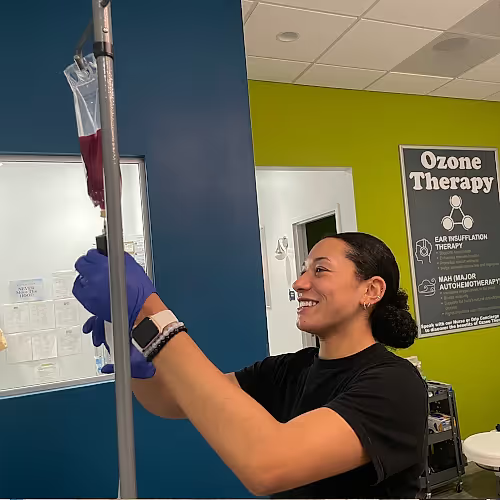
IV therapy offers a structured way to receive hydration and nutrients. It is popular among those with busy routines or recovery needs. Sessions are guided by licensed professionals for safety. Many find this approach fits well with their wellness goals.
At The DRIPBaR Long Island, guests often choose IV therapy for efficient hydration and targeted nutrient support. The process starts with a review of your health history and goals. Treatments are personalized to fit your lifestyle and energy needs. Aftercare focuses on hydration, balanced meals, and gentle movement.
CoQ10 supplement for tiredness
When considering CoQ10 for fatigue, it is important to set realistic expectations. CoQ10 for fatigue is not a stimulant, so benefits are usually described as steadier energy and improved recovery. Many people report fewer afternoon crashes and better mental clarity after a few weeks of consistent use. Results depend on factors like sleep, hydration, and meal timing. If you are already managing these basics, CoQ10 can be a helpful layer. Tracking your energy and recovery over time helps you see if it fits your needs.
Pairing CoQ10 with hydration and amino acids can support both energy and recovery. Hydration helps with circulation and muscle function, while amino acids aid in tissue repair. This combination is especially useful for active clients or those with demanding routines. It is a practical way to reinforce daily vitality.
Magnesium and B vitamins are often discussed alongside CoQ10 in energy support routines. Magnesium helps with stress and sleep, while B vitamins support energy metabolism. Together, these nutrients can create a more balanced approach to managing fatigue. Whole-food antioxidants from colorful fruits and vegetables also play a role in supporting resilience. The focus is always on building a routine that fits your lifestyle.
Ubiquinol vs ubiquinone CoQ10
Ubiquinone is a value-friendly starting point for most people. Ubiquinol is often chosen for absorption confidence or long-term routines. The body naturally cycles between both forms. What matters most is taking your chosen form with a fat-containing meal.
Some people switch to ubiquinol after trying ubiquinone for a few weeks. Others stick with ubiquinone if it fits their budget and routine. Consistency is more important than the specific form for most people. If you are unsure, start with the option you will take regularly.
- Energy support basics: CoQ10 helps mitochondria produce cellular energy.
- Antioxidant defense: It protects cells from oxidative stress during daily activity.
- Routine-first approach: Results are best when paired with good sleep, hydration, and nutrition.
- Non-stimulant option: CoQ10 supports steady vitality without causing jitters.
- Personalized fit: The best routine is one you can follow consistently.
Mitochondrial nutrition for low energy
Mitochondrial nutrition means supporting your body’s energy engines with the right fuel. This includes protein, carbs, healthy fats, and targeted nutrients like CoQ10. Hydration and electrolytes are also key for steady energy. Building these habits helps create a strong foundation.
On low-energy days, focus on hydration, balanced meals, and light movement. CoQ10 can be added as a supportive layer, not a replacement for basics. Tracking how you feel over time is more useful than expecting quick changes. Adjust your plan based on what fits your lifestyle.
After a wellness session, continue steady hydration for 24 to 48 hours. Choose meals with protein, plants, and healthy fats to support recovery. Gentle movement, like short walks, helps circulation and energy. Protecting sleep is the highest return strategy for most people. Many find that combining these steps leads to more consistent energy and better follow-through on wellness goals. The key is making small, sustainable changes. Over time, these habits add up to real improvements.
If you are new to CoQ10, start by linking it to a meal you rarely skip. Take it with food that contains some fat for better absorption. Track your energy and recovery for two to four weeks. If you do not notice a difference, review your sleep, hydration, and meal timing. Sometimes, small tweaks make the biggest impact.
IV therapy for fatigue support
We often see guests from Hauppauge, NY who appreciate the easy 15-minute drive for IV therapy and wellness support. The DRIPBaR Long Island provides a calm, professional setting where you can recharge and focus on your health. Our team reviews your goals and helps you choose the right combination of hydration and nutrients. Many guests return regularly because they notice more consistent energy and recovery. Personalized care and a welcoming environment make the experience unique.
After your visit, we recommend continuing hydration and eating balanced meals with protein and minerals. Gentle movement, like a short walk, supports recovery and circulation. Protecting your sleep routine helps lock in the benefits of your session. These aftercare steps help you get the most from your wellness plan.
Hydration and electrolyte balance tips
Hydration is often the fastest way to feel better when energy is low. Electrolytes help your body use water more effectively, especially after sweating or travel. Try drinking water with each meal and checking in on hydration mid-morning and mid-afternoon. On high-demand days, add electrolytes to your routine for extra support. Avoid saving all your hydration for the evening.
Electrolytes are not just for athletes; they support nerve and muscle function for everyone. Days with heat, travel, or high caffeine intake increase your need for fluid and minerals. Many people feel better quickly after correcting hydration and electrolyte balance. This is why hydration-focused sessions are popular at The DRIPBaR. Pairing hydration with targeted nutrients like CoQ10 can help support steady energy and recovery. The goal is to make these habits easy and sustainable.
Safety considerations
Most people tolerate CoQ10 well, especially when taken with food. If you use medications or have health concerns, talk with a licensed professional first. Always prioritize hydration and balanced meals before adding new supplements.
If you have low blood pressure or feel lightheaded often, focus on hydration and meal timing. Arriving well-fed and hydrated helps you feel comfortable during wellness visits. Red-flag symptoms like chest pain, severe dizziness, or confusion should be discussed with a medical provider. Supplements are not a substitute for medical care. Safety and comfort are always the top priorities.
Sometimes, people do not notice a difference with CoQ10 right away. This can be due to low hydration, missed meals, or ongoing sleep debt. Tracking one change at a time helps you see what works. If you expect a sudden boost, you might miss the steady improvements. Adjust your plan gradually and give it a few weeks before making big changes. Consistency and patience are key for most wellness routines.
Common myths about fatigue
CoQ10 is not a quick fix for all fatigue. It works best as part of a bigger routine. Hydration, sleep, and nutrition are the real foundation.
Taking CoQ10 does not replace the need for meals or rest. More supplements do not always mean more energy. Evaluate your routine over time for the best results.
Many people think hydration is just about drinking water, but electrolytes matter too. Fatigue often improves when you address sleep, nutrition, and hydration together. If you do not feel a change right away, track your habits for a few weeks. Focus on steady routines rather than chasing instant results. Over time, these small steps can add up to better energy and resilience.
CoQ10 and energy production
CoQ10 is a core part of how cells make energy. It helps convert nutrients into ATP, the fuel your body uses to function. Supporting mitochondrial health can make a real difference in daily vitality.
Many people try CoQ10 for fatigue as part of a routine that includes sleep, hydration, and balanced meals. Tracking your energy and recovery over two to four weeks helps you see if it fits your needs. Remember, results depend on your overall routine. Consistency is more important than expecting a quick change. Adjust your plan based on what works best for you.
Tracking your progress
Keep a simple log of your energy, sleep quality, and recovery for a few weeks. Note any changes in afternoon crashes, focus, or workout readiness. This helps you see patterns and adjust your plan as needed. If you are not seeing results, review your hydration, meal timing, and sleep habits. Small tweaks can make a big difference over time.
If you are unsure where to start, focus on one change at a time. Add CoQ10 to a meal you rarely skip and track your progress. Adjust other habits gradually for the best results.
When to seek professional advice
If fatigue is severe, sudden, or comes with symptoms like chest pain or confusion, seek medical care. Persistent fatigue that does not improve with routine changes should be discussed with a licensed provider. Medication interactions are possible, so always share your supplement routine with your wellness specialist. Safety comes first in any wellness plan. Personalized guidance helps you make the best choices for your needs.
Wellness routines work best when they are simple and sustainable. Focus on building habits you can maintain over time. If you need help, reach out to a professional for support. Your wellness journey is personal and should fit your lifestyle.
Many people find that pairing CoQ10 with hydration and balanced meals supports steady energy. Track your progress and adjust as needed. Over time, these habits can help you feel more resilient.
If you are ready to explore a new approach to energy support, consider starting with one small change. Add CoQ10 to your routine, focus on hydration, and protect your sleep. Simple steps can lead to lasting improvements.
Driving Directions From Hauppauge, NY
Visit The DRIPBaR Long Island Today for Wellness Support
- From Hauppauge, exit the parking lot toward Townline Rd. (About 49 ft / 1 sec)
- Turn right onto Townline Rd. (About 36 ft / 29 sec)
- Slight right to stay on Townline Rd. (About 0.3 miles / 58 sec)
- Drive via NY-347 and Veterans Memorial Hwy (NY-454 W) toward Commack. (About 5.3 miles / 10 min)
- Drive to your destination. (About 177 ft / 22 sec)
- Arrive at The DRIPBaR Long Island Commack, 6079 Jericho Tpke, Commack, NY 11725.
Is CoQ10 a fit for your routine?
If you are curious about adding CoQ10 to your wellness plan, start by looking at your current habits. Consider how sleep, hydration, and nutrition fit into your day. CoQ10 works best as part of a balanced routine. Take your time to see if this approach supports your goals.
Frequently Asked Questions
How can you customize your wellness plan to include CoQ10?
Customizing your wellness plan with CoQ10 starts by evaluating your current habits and energy needs. Many people add CoQ10 to a meal they rarely skip, especially one containing healthy fats. Consistency and tracking your response over several weeks can help you notice benefits. Always consult a licensed professional if you have health concerns or take medications.
What are some ways to make CoQ10 more convenient for busy days?
To make CoQ10 more convenient, link it to a daily routine like breakfast or lunch. Taking it with a fat-containing meal can improve absorption and help you remember. Some people use pill organizers or set reminders for consistency. Choose a simple approach that fits your lifestyle and schedule.
How does mindfulness benefit the cardiovascular system?
Mindfulness practices can support the cardiovascular system by reducing stress and promoting relaxation. Lower stress levels may help maintain healthy blood pressure and heart function. Regular mindfulness can also encourage healthier lifestyle choices. These habits work best when combined with balanced nutrition and movement.
Why is goal-setting important for those managing chronic fatigue?
Setting clear goals helps people with chronic fatigue focus on manageable steps. It encourages tracking progress and celebrating small improvements over time. Goals can include sleep routines, hydration, and nutrition habits. Working with a wellness specialist can provide additional support and accountability.
Which nutrient pairings can enhance energy production?
Pairing CoQ10 with hydration and amino acids can support energy production. Hydration helps with circulation, while amino acids aid in muscle recovery. Magnesium and B vitamins also play a role in supporting energy metabolism. Combining these nutrients with balanced meals can reinforce steady vitality.
How can you adapt energy support strategies for a busy lifestyle?
Adapting energy support strategies starts with simple, sustainable habits. Focus on hydration, regular meals, and gentle movement even on hectic days. Adding CoQ10 as a supportive layer can fit into a routine without much disruption. Adjust your plan as your schedule and needs change.
What are effective ways to maximize recovery after intense activity?
Maximizing recovery involves hydration, balanced meals, and rest. Including nutrients like amino acids and CoQ10 may help support muscle repair and energy. Gentle movement and sleep protection are also important for recovery. Personalizing your approach ensures it fits your activity level and goals.
How do you build a routine around your CoQ10 schedule?
Building a routine around CoQ10 means taking it at the same time each day with a meal that contains fat. Many people choose breakfast or lunch for consistency. Tracking your energy and recovery over several weeks can help you evaluate its fit. Adjust as needed based on your daily habits and preferences.
What should you consider when personalizing CoQ10 to fit your wellness goals?
Consider your energy patterns, meal timing, and lifestyle when personalizing CoQ10. Choose the form and dose that align with your preferences and routine. Monitor how you feel over time and make adjustments as needed. Consult a wellness specialist if you have questions about interactions or suitability.
How can you track improvements in energy over time?
Keep a simple journal of your daily energy, sleep quality, and recovery. Note changes in focus, afternoon crashes, or workout readiness. Tracking these patterns helps you see what works and where to adjust. Review your habits every few weeks to refine your approach.





Not Sure Where to Start?
Our team can help you choose the right starting point and personalize your drip, shot or service when you arrive.
What Long Island clients say
5.0★★★★★166 Google reviews