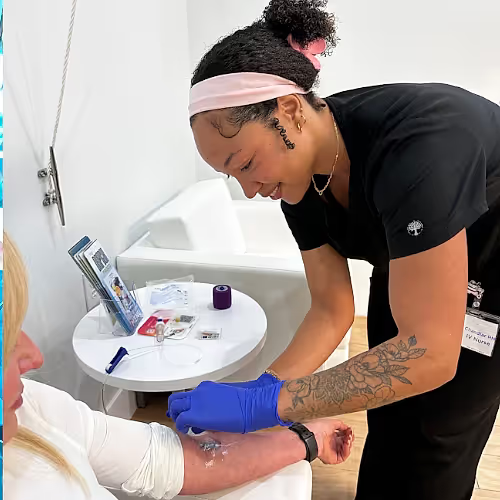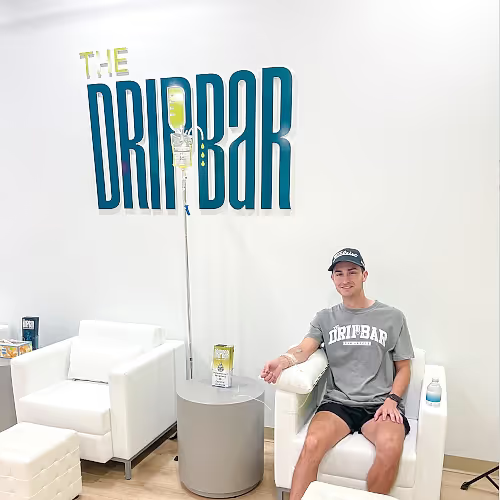

Many guests from Commack and nearby areas choose a Workout recovery IV drip for its convenience and targeted support after demanding training sessions. Our location’s proximity to familiar landmarks like Trader Joe’s makes it easy for busy professionals and athletes to fit recovery into their routines. During your visit, you’ll be welcomed by a team focused on safety, comfort, and education. The experience is designed to help you recharge in a calm, modern setting. Whether you’re training for an event or managing a hectic schedule, our approach is all about supporting your wellness journey.
Post-workout IV hydration explained
Post-workout IV hydration is more than just replacing lost fluids. It involves restoring electrolytes, supporting antioxidant defenses, and replenishing nutrients that are quickly depleted during intense exercise. This process can help reduce feelings of fatigue, muscle cramps, and brain fog that sometimes follow demanding workouts. By delivering hydration and nutrients directly into the bloodstream, IV therapy bypasses the digestive system, which may be beneficial when oral intake is limited. The result is a more efficient recovery process for some individuals. However, it’s important to remember that IV therapy is a complement, not a replacement, for healthy habits.
IV therapy for muscle recovery
IV therapy for muscle recovery focuses on addressing the physiological stressors that occur after exercise. Intense training can lead to dehydration, electrolyte imbalances, and increased oxidative stress, all of which can slow down the recovery process. By providing fluids, electrolytes, and antioxidants like vitamin C and glutathione, IV therapy aims to restore balance and support tissue repair. This approach is especially popular among athletes who need to recover quickly for consecutive events or those who experience significant fatigue after workouts. While not a cure-all, it can be a valuable tool when used strategically. Always consult with a licensed professional to determine if this option fits your needs.
Electrolyte IV drip for athletes
An electrolyte IV drip for athletes is designed to replenish sodium, potassium, magnesium, and calcium lost through sweat. These minerals are essential for muscle contraction, nerve function, and fluid balance. When levels drop, athletes may notice increased cramping, fatigue, or even headaches. By restoring these electrolytes intravenously, recovery can feel smoother and more complete. This method is particularly helpful after long or high-intensity sessions. It is not intended to replace daily hydration but to provide targeted support when needed.
Magnesium is a key ingredient in many recovery IVs because it supports muscle relaxation and helps reduce cramping. For athletes prone to post-exercise tightness or sleep disturbances, magnesium can make a noticeable difference. It also plays a role in energy production and calming the nervous system. When combined with other electrolytes, magnesium helps restore the body’s natural balance. This can translate to improved comfort and readiness for the next workout.
Antioxidants like vitamin C and glutathione are often included in recovery IVs. These nutrients help buffer oxidative stress and support the body’s repair processes. Their role is to complement, not replace, the body’s natural defenses. Strategic use may be most beneficial during periods of high training load.
Glutathione IV for recovery
Glutathione is known as the body’s master antioxidant. In IV therapy, it is used to support cellular cleanup and redox balance after intense exercise. Many athletes choose glutathione for its potential to help with recovery clarity and reduce the “worn out” feeling.
Glutathione IVs are typically administered as a slow push after the main drip. This method allows for better tolerance and absorption. The antioxidant properties of glutathione may help protect cells from exercise-induced oxidative stress. It also supports liver function, which is important for processing metabolic byproducts. Athletes often report feeling more refreshed and clear-headed after sessions that include glutathione. However, its benefits are most noticeable during periods of unusually high oxidative load.
It’s important to use glutathione IVs strategically rather than after every workout. Overuse of antioxidants can potentially blunt some of the beneficial adaptation signals from training. Most athletes reserve glutathione support for competitions, travel, or high-volume training blocks. This approach helps maintain a balance between recovery and adaptation. Always discuss timing and frequency with a wellness specialist. Individual needs and responses can vary.
Vitamin C for exercise
Vitamin C is a water-soluble antioxidant that plays several roles in post-exercise recovery. It helps buffer oxidative stress, supports collagen synthesis, and contributes to immune resilience. Including vitamin C in a recovery IV may help reduce the impact of intense training on connective tissues. This can be especially relevant for athletes concerned about tendon or ligament health. Vitamin C also aids in tissue repair and may shorten the duration of post-exercise soreness. Its immune-supporting properties are an added benefit during heavy training periods.
Vitamin C works best as part of a balanced recovery plan. It should not be relied upon as a sole solution for muscle repair or immune support. Combining vitamin C with hydration, nutrition, and rest provides the most comprehensive benefits. Discuss your recovery goals with a licensed provider to determine the right approach. Personalized plans yield the best results.
Post-workout fatigue and hydration
After a tough session, many athletes notice that post-workout fatigue can linger, making it harder to bounce back for the next day. A workout recovery IV drip is designed to address this by rapidly restoring hydration and electrolyte levels. When fluids and minerals are replenished efficiently, the body can recover more smoothly and energy levels may stabilize. This approach is especially helpful for those who struggle with oral hydration or need a quick turnaround. While not a substitute for rest and nutrition, IV therapy can be a valuable addition to a comprehensive recovery plan.
Dehydration is a common culprit behind lingering fatigue, headaches, and muscle cramps after exercise. IV hydration bypasses the digestive system, allowing for faster absorption and more immediate effects. This can be particularly useful for athletes who experience nausea or have difficulty drinking enough fluids after intense sessions. By restoring plasma volume and supporting circulation, IV therapy helps the body clear metabolic byproducts and deliver nutrients where they are needed most. The result is often a quicker return to normal activity and improved overall comfort. Always pair IV therapy with proper nutrition and sleep for best results.
IV therapy for muscle recovery
IV therapy for muscle recovery is about more than just hydration. It provides targeted support for muscle repair, electrolyte balance, and antioxidant defense. Athletes often notice less cramping and a smoother transition back to regular training. The combination of fluids, minerals, and nutrients helps address multiple recovery needs at once. This approach is especially valuable during periods of high training volume. Results are individualized and depend on overall recovery habits.
Muscle soreness, or delayed-onset muscle soreness (DOMS), is a normal part of adaptation but can be uncomfortable. Recovery IVs are positioned to help buffer oxidative stress and supply nutrients needed for tissue repair. By supporting circulation and hydration, these drips may reduce the intensity and duration of soreness for some individuals. It is important to remember that IV therapy is not a magic fix. Consistent training, adequate protein, and quality sleep remain essential for optimal recovery. Use IV support as a complement during high-demand periods.
Vitamin C IV for exercise recovery
Vitamin C IVs are valued for their antioxidant and tissue repair benefits. They may help reduce oxidative stress and support collagen formation. This can be particularly useful during heavy training blocks.
Athletes who include vitamin C in their recovery plan often report improved comfort and resilience. The antioxidant effect may help buffer the impact of intense exercise on tissues. Collagen support is especially relevant for those with high connective tissue demands. Vitamin C also plays a role in immune function, which can be taxed during periods of heavy training. As with all nutrients, balance and timing matter. Consult with a wellness provider to tailor your recovery strategy.
IV therapy is not intended to replace foundational recovery practices but to enhance them when needed. The most consistent benefits are seen when IV support is used strategically, such as after competitions or during travel. Personalized plans that consider training load, nutrition, and sleep yield the best results. Always monitor your body’s response and adjust as needed. Recovery is a dynamic process that benefits from a holistic approach.
Some athletes experience brain fog or reduced mental clarity after intense workouts. IV therapy may help by supporting hydration and providing nutrients that aid cognitive function. Ingredients like B vitamins and magnesium are often included for this reason. Improved hydration can also enhance circulation to the brain. While results vary, many report feeling more alert and focused after a session.
For those managing back-to-back training days or tournaments, recovery IVs can offer timely support. Rapid rehydration and nutrient delivery help prepare the body for the next challenge. This is especially important when travel or heat exposure adds extra stress. Always combine IV therapy with proper rest and nutrition. A balanced approach maximizes recovery and performance.
Magnesium IV for muscle cramps
Magnesium IVs are commonly used to address muscle cramps and tightness. They help relax muscles and support nerve function. This can be especially helpful after high-intensity or endurance workouts.
Athletes who are prone to cramping may benefit from magnesium’s calming effect on the nervous system. It also supports sleep quality, which is vital for recovery. Magnesium works best when combined with other electrolytes and hydration. Always consult a licensed professional before starting any new therapy. Individual needs and responses can vary.
Magnesium is not a substitute for daily dietary intake but can provide targeted support when needed. It is particularly useful during periods of heavy sweating or increased training load. Monitor your body’s response and adjust your recovery plan as necessary. Personalized strategies yield the best outcomes.
Personalized recovery with IV therapy
Many athletes from the Commack area appreciate the convenience of personalized IV recovery plans that fit their unique training schedules. Our team takes time to review health history and discuss individual goals before recommending any therapy. This ensures that each session is tailored to your needs and comfort level. The focus is always on safety, education, and results. Whether you are preparing for an event or recovering from a tough week, our approach is flexible and supportive. Local guests often mention how easy it is to fit a session into their busy routines.
Personalization is key to effective recovery. By considering factors like training type, sweat rate, and dietary habits, we can recommend the most appropriate IV ingredients. Ongoing communication helps refine your plan over time. This collaborative approach builds trust and supports long-term wellness. Your goals and comfort always come first.
Immune resilience and recovery
Heavy training can temporarily challenge the immune system. IV nutrients like vitamin C and zinc are often included to support immune resilience. These ingredients may help the body recover more efficiently.
Immune support is especially important during periods of high stress or travel. IV therapy can provide targeted nutrients that are quickly absorbed. This helps maintain wellness during demanding training blocks. Always pair immune support with adequate rest and nutrition.
Structured recovery strategies
A structured recovery plan combines IV therapy with foundational habits like hydration, nutrition, and sleep. This approach addresses multiple aspects of recovery at once. IV support is used strategically, not as a daily replacement. The goal is to enhance, not override, the body’s natural processes. Regular check-ins help ensure your plan remains effective. Adapt your strategy as your training and lifestyle evolve.
Recovery is a dynamic process that benefits from ongoing assessment. Adjust your plan based on how your body responds to training and therapy. Collaboration with wellness professionals ensures safe and effective support. Consistency and flexibility are both important. Your needs may change over time.
Tracking recovery
Tracking your recovery helps you understand what works best for your body. Monitor factors like soreness, energy, sleep quality, and mood after each session. Use a simple scale to rate soreness at 24, 48, and 72 hours post-workout. Keep an eye on hydration habits and dietary intake, as these often influence recovery outcomes. Performance metrics like resting heart rate and perceived exertion can also provide valuable feedback. Adjust your plan as needed based on these observations. Consistent tracking supports long-term progress.
Behavioral habits play a major role in recovery success. Prioritize hydration, balanced nutrition, and regular sleep. IV therapy is most effective when paired with these fundamentals. Use your tracking data to identify patterns and make informed adjustments. Small changes can lead to noticeable improvements.
Recovery is not a one-size-fits-all process. Individual needs and responses vary widely. Work with a wellness specialist to develop a plan that fits your goals and lifestyle. Stay open to adjusting your approach as circumstances change. Personalized strategies support both performance and well-being.
Comparing recovery strategies
IV therapy is one of several tools available for post-exercise recovery. Oral hydration, nutrition, sleep, and mobility work are all important components. Each strategy addresses different aspects of the recovery process. IV therapy is best used when rapid hydration or targeted nutrient delivery is needed. It should complement, not replace, foundational habits.
A workout recovery IV drip is not intended to substitute for food or rest. Instead, it provides an additional layer of support during periods of high demand. Use IV therapy strategically, such as after competitions or during travel. Always prioritize hydration, nutrition, and sleep as the core of your recovery plan.
Pairing with other tools
Many athletes combine IV therapy with massage, compression, or mobility work. These tools can enhance circulation and reduce soreness. A holistic approach yields the best results.
Cold exposure and sauna sessions are also popular recovery methods. When used alongside IV therapy, they can support relaxation and circulation. Hydration remains the foundation for all recovery strategies.
- Oral hydration: Essential for daily fluid balance and recovery.
- Sports drinks: Provide carbohydrates and electrolytes for energy and repletion.
- Food-based recovery: Supplies protein, carbohydrates, and micronutrients for repair.
- Sleep optimization: Supports hormonal balance and tissue regeneration.
- Mobility work: Enhances circulation and reduces post-exercise stiffness.
Safety and customization tips
IV therapy should always be administered by licensed professionals. Screening for medical conditions ensures safety and comfort. Personalize your recovery plan based on training type and individual needs. Communicate openly with your provider for best results.
Be aware of possible mild side effects like bruising, lightheadedness, or temporary flushing. These are usually related to infusion rate or ingredient sensitivity. Always report any unusual symptoms to your provider promptly. Athletes with kidney, heart, or electrolyte issues should seek medical clearance before starting IV therapy. Compliance with sports regulations is important for those in organized competitions. Personalization and safety are the top priorities.
Monitor your response to each session and adjust as needed. Recovery is a process, not an event. Consistency and communication support the best outcomes.
Remember that IV therapy is just one part of a comprehensive recovery plan. Pair it with nutrition, hydration, and rest for optimal results. Stay informed about your options and make choices that fit your goals. Your wellness journey is unique.
Setting realistic expectations
IV therapy can support hydration, nutrient repletion, and antioxidant defenses. Results vary based on individual needs and circumstances. Most athletes notice benefits in hydration and reduced fatigue. Antioxidant effects are more individualized. Use IV support as a complement, not a cure-all.
Recovery is multifactorial and influenced by training load, nutrition, sleep, and stress. IV therapy offers targeted support during periods of high demand. Set realistic goals and track your progress over time. Consult with a wellness provider to refine your approach. Your experience will be unique.
Start your recovery journey today
If you’re ready to explore how IV therapy can support your post-exercise recovery, our team at The DRIPBaR Long Island is here to help. We offer a calm, welcoming environment where your comfort and safety come first. Whether you’re an athlete, busy professional, or simply looking to feel your best, our personalized approach ensures your needs are met. Reach out for a quick message or consultation to discuss your goals and options. Remember, daily slots are limited, so booking ahead is recommended. Take the first step toward better recovery and resilience. Your wellness journey starts with a single visit.