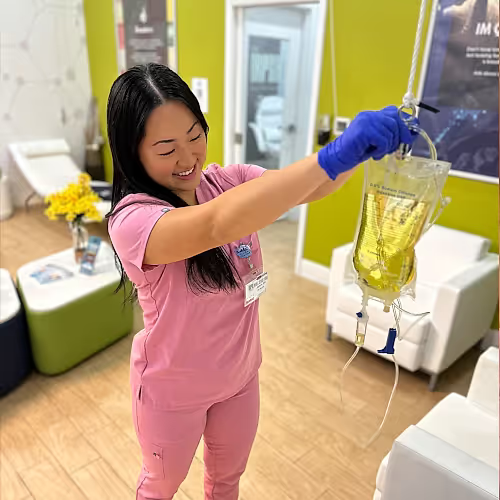

If you live in East Northport, it is just a short 10-minute drive to our Commack location, making it easy to access specialized support. Our Mononucleosis recovery routines are designed for those struggling with post-viral fatigue, low appetite, or hydration challenges. We see many guests from nearby neighborhoods who appreciate the convenience and personalized care. Whether you are managing ongoing symptoms or looking for a gentle way to rebuild stamina, our hydration-focused strategies can help. Let us guide you through practical steps to support your recovery journey.
Why Hydration Matters Most
Hydration is often overlooked during mono recovery, yet it is crucial for reducing fatigue and supporting the body’s systems. When you are tired, have a sore throat, or feel nauseated, it is easy to drink and eat less than your body needs. This can lead to mild dehydration, which may worsen headaches, dizziness, and constipation. A hydration-first plan uses small, frequent sips and easy snacks to keep intake steady. This approach helps maintain circulation and energy, making daily activities feel more manageable.
Mono Fatigue Recovery Strategies
Recovering from mono can feel like a marathon, not a sprint. Fatigue often lingers for weeks, making it hard to keep up with daily routines. Building a repeatable hydration and nourishment rhythm is key to regaining strength. Focus on small, frequent fluid “micro doses” and gentle snacks that are easy to prepare. Track your progress by noting urine color, dizziness, and number of intake moments each day. This systems-level approach helps you personalize your plan and recognize small wins along the way.
Hydration for Mono
Hydration for mono means more than just drinking water. Rotate between gentle fluids, soothing broths, and electrolyte drinks to match your symptoms. Cool or warm options can help with throat pain or chills.
Aim for 10 to 16 intake moments daily, such as sips of water, a small cup of broth, or a popsicle. Use a spill-proof bottle or bedside tray to make hydration effortless. If you feel lightheaded, consider adding an electrolyte drink. Avoid caffeine and alcohol, as they can worsen dehydration. The goal is steady, comfortable intake throughout the day.
Low Appetite After Mono
Low appetite is common after mono and can slow your recovery. Start with bland, soft foods and calorie-containing fluids. Gradually work up to more substantial snacks as your appetite returns.
The “snack ladder” approach helps you move from easy-to-tolerate items like popsicles and yogurt to mini meals and eventually regular portions. Do not force large meals; focus on consistency and gentle progress. Prepare grab-and-go options to reduce effort when energy is low. Ask for support from friends or family if possible. Remember, the best routine is one you can repeat day after day.
If nausea or throat pain makes eating difficult, try cool fluids, ginger tea, or soft foods like applesauce. Sit upright after sipping or snacking to help with digestion. Avoid acidic or rough foods that can irritate your throat. Address constipation early, as it can worsen nausea and reduce appetite. Small adjustments can make hydration and nourishment more comfortable.
EBV Recovery Hydration and Electrolyte Tips
During EBV recovery, a hydration-first plan supports your body’s natural recovery without overwhelming your system. The mononucleosis recovery routine emphasizes frequent, gentle fluids and modest electrolyte support when needed. Use oral rehydration drinks if you experience lightheadedness, fever, or low intake. Spread electrolyte servings throughout the day rather than drinking quickly. Always check with a wellness specialist if you have conditions that require fluid or salt restriction. Tracking your intake moments and symptoms helps you adjust your plan for steady progress.
Electrolyte drinks for dehydration can be especially helpful if you are sweating, have a fever, or are eating less salt. Choose options with balanced sugar and salt, avoiding overly sweet drinks that may worsen nausea. Homemade or commercial oral rehydration solutions can be used, but do not overdo it. If you notice swelling, unusual shortness of breath, or rapid weight gain, pause and consult a licensed professional. Pair electrolyte drinks with water for best results.
Post-Viral Fatigue Support
Post-viral fatigue can make even simple tasks feel exhausting. Pacing your activity and hydration helps you avoid setbacks. Identify your baseline for activity and stay below it until your energy stabilizes. Use convenience foods and hydration stations to reduce decision fatigue. Gentle movement, like short walks, can support recovery if tolerated. Listen to your body and adjust as needed.
Tracking simple metrics like urine color, snack frequency, and dizziness episodes can guide your recovery. Celebrate small improvements, such as less morning headache or more stable energy. Adjust your hydration and nourishment plan based on these trends. Consistency is more important than perfection.
Hydration Tools and Routines
Set up your environment for success with spill-proof bottles and a bedside hydration tray. Use phone reminders or checklists to prompt intake moments. Simple tools make routines easier.
Prepare popsicles, ice chips, or pre-filled cups in advance to reduce effort. Keep a hydration basket with electrolyte packets and tea bags nearby. These small steps help you maintain steady intake, even on low-energy days. Ask for help with meal prep or shopping if needed. Recovery is smoother when your environment supports your goals.
A sample day might include a hydration bookend upon waking, a micro snack 30 minutes later, and regular intake moments throughout the day. Pair hydration with gentle snacks like yogurt, oatmeal, or soft sandwiches. Use the “bookends and bridges” method to anchor your routine: hydrate in the morning and evening, with small bridges between rest periods. Adjust your schedule based on how you feel, focusing on gentle consistency. If appetite is zero, aim for minimum viable intake and contact a wellness professional if symptoms persist.
Hydration and Appetite Obstacles
Many guests from East Northport mention how the short drive to Commack makes it easy to stay consistent with their hydration and recovery routines. Common obstacles include forgetting to drink, finding water unappealing, or lacking energy to prepare food. Simple fixes like placing bottles in every room, using alarms, or choosing ready-to-eat snacks can help. If you struggle with taste changes, try neutral or cold foods. Personalizing your approach makes routines more sustainable.
If you feel lightheaded when standing, hydrate slowly and consider modest electrolyte support. Rise gradually and avoid long upright tasks. For those with constipation, add warm fluids and gentle fiber as tolerated. If swelling or unusual symptoms occur, pause and seek guidance. Safety boundaries are important for a smooth recovery.
Recovery is easier with social and environmental support. Ask someone to check in daily or help with simple tasks. Use a shared checklist or text reminders for accountability. A supportive environment reduces barriers and helps you stay on track.
Electrolyte Drinks for Dehydration
Electrolyte drinks can be useful during periods of sweating, fever, or low intake. Choose balanced options and avoid excessive salt. Pair with water and spread servings throughout the day.
If you have health conditions that limit fluid or salt, consult a licensed provider before using electrolyte products. Watch for signs like swelling or rapid weight gain. Adjust your plan based on how you feel each day. Electrolyte support should be gentle and symptom-led. Consistency is key for best results.
Low Appetite Recovery Steps
Start with easy-to-tolerate fluids and soft foods when appetite is low. Gradually introduce more substantial snacks as you feel able. Use the snack ladder to move from popsicles and yogurt to mini meals. Focus on steady progress rather than large leaps. Ask for help with meal prep if needed.
If nausea or throat pain is present, try cool fluids, ginger tea, or bland snacks. Sit upright after eating or drinking. Avoid foods that irritate your throat or worsen nausea. Address constipation early to support appetite. Small adjustments can make a big difference.
Tracking your intake and symptoms helps you personalize your recovery plan. Use simple metrics like urine color, snack count, and dizziness episodes. Adjust your approach based on trends. Celebrate small wins and stay patient with gradual progress. Consistency builds momentum.
Post-Viral Fatigue and Hydration
Hydration supports energy and reduces fatigue during post-viral recovery. Pair fluids with gentle snacks for stable nourishment. Use pacing to avoid overexertion. Adjust your routine as your stamina improves.
If fatigue increases after activity, scale back and focus on hydration. Use convenience foods and hydration stations to reduce effort. Listen to your body’s signals.
Progress often looks like less morning headache, improved standing tolerance, and a gradual return of hunger cues. Track your weekly trends to see what is working. If symptoms worsen or you cannot maintain minimum intake, reach out for professional support. Remember, small, repeatable steps are the foundation of recovery. Personalize your plan based on your dominant symptoms. Adjust hydration, snacks, and activity as needed for your unique situation.
If you have heart, kidney, or liver conditions, discuss hydration and electrolyte strategies with a licensed professional. Safety comes first. Individualize your plan for best results. Monitor for any concerning symptoms.
Hydration-first routines are about steady, achievable progress. Focus on small, frequent fluids and gentle snacks. Use tools and support to make routines easier. Track your progress and adjust as needed. Consistency is the bridge to feeling better.
Hydration and Recovery Takeaways
Hydration-first routines help you manage fatigue, low appetite, and lingering symptoms after mono. Focus on small, frequent fluids and gentle snacks for steady progress. Use a repeatable daily rhythm to reduce decision fatigue. Track simple metrics to personalize your plan. Celebrate small milestones as you regain energy and comfort. Recovery is a gradual process, and consistency matters most.
The mononucleosis recovery approach is designed to be flexible and supportive, meeting you where you are each day. Whether you are just starting or adjusting your routine, focus on gentle, achievable steps. Use hydration, nourishment, and pacing to support your body’s natural recovery. If you need extra help, reach out to a wellness professional. Remember, steady progress is the goal.
Post-Viral Recovery Reminders
Stay patient with your recovery and adjust your plan as needed. Use hydration and gentle snacks to support energy. Track your progress and celebrate small wins. Ask for support when needed. Consistency builds momentum.
If symptoms persist or worsen, contact a licensed professional for guidance. Personalize your hydration and nourishment plan based on your needs. Use tools and support to stay on track. Recovery is a journey, not a race.
- Hydration focus: Small, frequent fluids support recovery.
- Snack ladder: Progress from easy fluids to mini meals.
- Electrolyte support: Use gently if lightheaded or sweating.
- Routine rhythm: Repeatable schedules reduce decision fatigue.
- Tracking progress: Monitor urine color, snacks, and symptoms.
- Environmental tools: Use bottles, trays, and reminders for intake.
- Social support: Ask for help with meals or reminders.
- Personalization: Adjust your plan based on dominant symptoms.
Mono Fatigue Recovery: Next Steps
Review what to expect and the benefits of hydration-first routines. Consider your unique needs before choosing a recovery plan. Information helps you make confident decisions.
If you are ready to take the next step, remember that daily slots are limited. Scheduling now ensures you can access the support you need. Consistent care leads to better outcomes.
Reach out with any questions about hydration or recovery routines. Our team is here to help you feel informed and supported. Your wellness journey matters to us.
Every recovery journey is unique, but steady hydration and gentle nourishment are universal foundations. Use the tools and routines that work best for you. Stay patient and celebrate each small milestone. If you need guidance, our team is ready to help. Your comfort and progress are our priorities.
Driving Directions From East Northport, NY
Visit The DRIPBaR Long Island Commack Today for Recovery Support
- From East Northport, exit the parking lot. (About 23 ft)
- Turn left toward Larkfield Rd. (About 138 ft)
- Continue onto Larkfield Rd (pass by Dunkin’ on the right in about 0.3 mi) and continue. (About 2.5 miles)
- Turn left onto Jericho Tpke and continue. (About 0.4 miles)
- Turn left onto Rural Pl. (About 69 ft)
- Turn right, destination will be on the left. (About 167 ft)
- Arrive at The DRIPBaR Long Island Commack, 6079 Jericho Tpke, Commack, NY 11725.
Ready to Start Your Recovery?
Take the first step toward feeling better with hydration-first routines. Our team is here to answer your questions and help you plan your next visit. Your comfort and progress are our top priorities.
If you are managing post-mono fatigue, low appetite, or lingering symptoms, know that you are not alone. Our hydration and recovery support routines are designed to fit your real-life needs, whether you are balancing work, school, or family. We focus on gentle, achievable steps that help you regain energy and comfort at your own pace. Every visit is tailored to your unique situation, with guidance from experienced wellness professionals. Booking your session now ensures you have access to limited daily slots and personalized care. Let us help you build a routine that supports your recovery and long-term wellness.