
Many guests from Commack and nearby Long Island communities visit us seeking relief from persistent bladder symptoms. If you are searching for a supportive approach, Interstitial cystitis resources can help you understand your options. Our team at The DRIPBaR Long Island focuses on education, hydration support, and wellness routines tailored to your needs. We recognize that every experience with IC is unique, so we emphasize tracking and gentle adjustments over rigid lists. Whether you are new to symptom management or looking to refine your habits, our guidance is designed to fit real life. Consistency and personalization are at the heart of our approach. Let’s explore how hydration and trigger awareness can make a difference.
Understanding Bladder Pain Syndrome Triggers
Bladder pain syndrome, also known as IC, presents with a wide range of symptoms and triggers. Some people notice burning or pressure, while others experience deep pelvic discomfort. Triggers can include specific foods, drinks, stress, or even changes in sleep patterns. Because symptoms vary, a one-size-fits-all list rarely works. Instead, tracking your own patterns helps identify what matters most. This individualized approach leads to more effective wellness routines.
IC flare triggers are not always obvious or immediate. Sometimes, a delayed reaction makes it hard to pinpoint the cause. By keeping a simple log of symptoms, hydration, and daily habits, you can start to see connections. Over time, this process supports more confident choices.
Hydration for Interstitial Cystitis
Hydration plays a central role in managing IC symptoms for many people. Concentrated urine can increase irritation, leading to more burning, urgency, or discomfort. A hydration-first routine focuses on steady, gentle fluid intake rather than large amounts at once. This approach helps create a calmer bladder environment and reduces extremes that may trigger flares. Consistency is more effective than intensity, so small, regular sips throughout the day are encouraged. Pairing hydration with meals can also minimize sudden spikes in urgency. Tracking your intake and symptom response helps refine your routine. Remember, the goal is comfort and steadiness, not perfection.
Building Your IC Symptom Tracker
An IC symptom tracker is a practical tool for recognizing patterns and making informed adjustments. Start by recording daily symptoms, hydration, and bathroom habits. Include notes on stress, sleep, and any new exposures. Over time, this log reveals which factors most often lead to flares. Reviewing your tracker weekly helps you spot trends and refine your wellness plan.
A simple tracker saves time and reduces overwhelm. Focus on a few key variables, such as pain, urgency, hydration, and sleep. Consistency is more valuable than detail. This method turns tracking into a helpful habit rather than a burden.
Personalizing Hydration and Diet
Personalizing your hydration and diet routines is essential for managing IC. Start with a baseline fluid amount that feels comfortable, then gradually increase as tolerated. Use a steady sips schedule, spreading intake throughout the day and tapering in the evening if nighttime urgency is a concern. Pair drinks with meals to buffer the bladder and avoid large fluid boluses. Track how different temperatures, types of water, or electrolyte products affect your symptoms. If you suspect dietary triggers, try eliminating one variable at a time and observe changes over several days. This approach helps you build a personal list of foods and drinks that are often safe, sometimes safe, or usually risky.
Many people find that hydration paired with nutrition supports bladder comfort. Drinking with food may reduce irritation compared to drinking on an empty stomach. Avoiding long fasting windows can also help help you avoid concentrated urine and sudden urgency. Experiment with timing and combinations to discover what works best for you.
Remember, not all triggers are dietary. Stress, sleep, bowel patterns, and product exposures can also influence symptoms. Tracking these factors alongside hydration and diet gives a more complete picture. This holistic view supports better day-to-day comfort.
IC Flare Triggers and Symptom Patterns
Tracking symptom cycles is key for anyone managing interstitial cystitis. Many people notice that flares follow changes in hydration, stress, or sleep rather than a single food or drink. By recording patterns, you can identify which factors most often lead to discomfort. The process is about learning, not perfection. Over time, you may find that your own triggers differ from common lists.
IC flare triggers can include stress spikes, hormonal changes, constipation, or even new personal care products. For some, exercise intensity or long periods of sitting may also play a role. Reviewing your tracker weekly helps you connect the dots between daily habits and symptom changes. This insight supports more confident decisions about routines and self-care. Remember, the goal is to reduce overwhelm, not to monitor every detail. Focus on what helps you feel steadier.
Hydration and nutrition are just part of the picture. Many people benefit from routines that also address pelvic floor relaxation, gentle movement, and stress management. Simple practices like slow breathing, warm baths, or short walks can help calm muscle tension and support bladder comfort. Experiment with different strategies to see which ones work best for your needs.
Bladder Pain: Small Wins Matter
Celebrating small wins is important when managing IC. Even minor improvements in hydration habits or symptom tracking can build momentum. Each positive step, no matter how small, supports greater consistency. Over time, these repeatable actions add up to meaningful progress.
- Hydration-first mindset: Focus on steady, gentle fluid intake throughout the day.
- Symptom tracking basics: Record pain, urgency, and frequency daily for pattern recognition.
- Diet trigger awareness: Note any foods or drinks that seem to worsen symptoms.
- Stress management tools: Practice relaxation techniques to help calm flare cycles.
- Movement and posture: Include gentle walks or stretches to reduce pelvic tension.
- Sleep routine support: Track bedtime, wake time, and sleep quality for added insight.
- Personalized adjustments: Test one change at a time to see what helps most.
IC Symptom Tracker Tips
A simple IC symptom tracker can make a big difference. Use a daily log to record pain, urgency, hydration, and sleep. Add quick notes on stress, exercise, and any new exposures. Review your notes weekly to spot trends. This process helps you make informed adjustments without becoming overwhelmed.
Consistency is key for effective tracking. Focus on a few variables rather than trying to capture everything. Over time, you will gain clearer insight into your unique patterns.
If tracking increases anxiety, pause during stable periods and focus on what helps most. Include both challenges and wins in your notes. This balanced approach supports a healthier mindset. Remember, the goal is to empower your wellness journey, not to create extra stress. Share your findings with a wellness specialist for additional guidance. Tracking is a tool for progress, not a test.
Hydration myths can lead to confusion for those with IC. More water is not always better; moderate, steady intake often works best. Dehydration can increase urine concentration and worsen irritation, but large fluid boluses may also trigger urgency. Personal patterns matter more than universal rules. Use your tracker to discover the right balance for your needs. Adjust routines as you learn what supports your comfort.
Communicating your routines and findings with a licensed provider or wellness coach can enhance your care. Bring summaries of your tracker, including average voids, symptom scores, and top triggers. Clear communication helps professionals tailor their advice to your experience. This partnership supports safer, more effective wellness planning. Remember, your data is a valuable resource for collaborative care.
Bladder Comfort Routines
Bladder comfort routines go beyond hydration alone. Include gentle movement, stress reduction, and pelvic floor relaxation in your daily habits. These supportive actions can help reduce tension and improve overall comfort. Experiment to find what fits your lifestyle best.
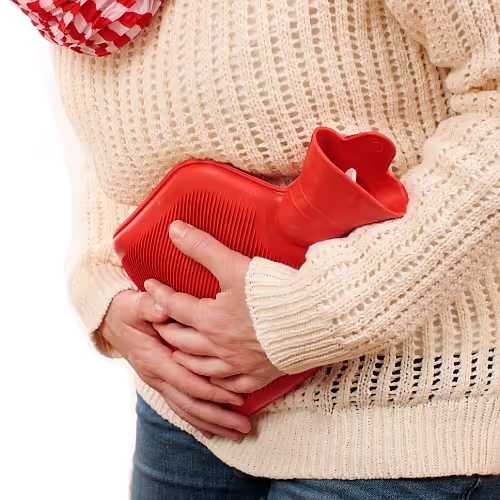
A flare calm kit can be a helpful resource during symptom spikes. Include items like a water bottle, heating pad, gentle snacks, and a list of calming routines. Having a plan reduces decision fatigue and supports recovery. Personalize your kit based on what has helped you in the past. Review and update it as your needs change.
Safety comes first with any new or severe symptoms. Seek prompt medical guidance if you notice fever, visible blood in urine, or sudden retention. Wellness routines are meant to complement, not replace, professional care.
Reducing Overwhelm with IC
We often see guests from the Commack area looking for manageable ways to track their IC symptoms. Keeping your approach simple and focused can help reduce overwhelm. Choose three priorities to monitor each month, such as hydration timing, one diet category, and sleep quality.
Pause tracking during stable periods if it increases anxiety. Use checkboxes and short notes to keep the process quick and stress-free. Remember to celebrate what made your day easier, not just what triggered discomfort. This balanced approach supports long-term wellness.
Trigger Tracking Insights
Trigger tracking is most effective when it focuses on patterns rather than perfection. Adjust one variable at a time, such as a new beverage or routine change, and observe the effects over several days. Delayed reactions are common, so patience is important. Use your tracker to build a personal list of often safe, sometimes safe, and usually risky items. This method reduces fear and supports confident choices.
Not all triggers are related to diet. Stress, sleep, and product exposures can also play a role. Tracking these factors alongside hydration and food helps create a more complete picture. Over time, you will gain valuable insights.
A supportive environment makes it easier to maintain healthy routines. Share your progress and questions with a wellness specialist or support group. Community connections can provide encouragement and new ideas. Remember, you are not alone in your journey. Small steps forward are worth celebrating.
Wellness Support Strategies
Wellness support for IC includes hydration, gentle movement, stress management, and personalized tracking. Focus on steady routines that fit your lifestyle and symptom patterns. Use relaxation techniques, such as slow breathing or warm baths, to help calm muscle tension. Experiment with different strategies to find what works best for you. Communicate your findings with your healthcare provider for additional support. Consistency and personalization are key to long-term comfort.
If you experience new or severe symptoms, seek guidance from a licensed professional. Wellness routines are designed to complement, not replace, medical care. Your safety and comfort are always the top priorities.
Remember to review your routines regularly and adjust as needed. Track both challenges and improvements to maintain a balanced perspective. Over time, you will discover which habits support your comfort and confidence. Share your experiences with others for added encouragement. Wellness is a journey, not a destination.
Personalizing Your Routine
Personalizing your IC routine involves experimenting with hydration, diet, movement, and stress management. Start with small changes and track your response over time. Adjust one variable at a time to identify what helps or hinders your comfort. Use your tracker to build a list of strategies that work for you. Share your progress with your healthcare provider for tailored advice. This approach supports ongoing improvement.
Your wellness journey is unique, and your routine should reflect your individual needs. Stay flexible and open to change as you learn more about your patterns. Consistency and self-awareness are your best tools for long-term success.
If you feel overwhelmed, focus on one small win each day. Celebrate progress, no matter how minor. Over time, these wins add up to meaningful change.
Next Steps for Bladder Wellness
Building a supportive routine for IC takes time and patience. Start by focusing on hydration, gentle tracking, and stress reduction. Use your symptom tracker to identify patterns and make informed adjustments. Share your findings with a wellness specialist for personalized guidance. Remember, small, consistent changes often lead to the best results. Your journey is about progress, not perfection.
The path to managing interstitial cystitis is unique for everyone. By focusing on hydration, tracking, and self-care, you can find routines that support your comfort. Consistency and patience are key to building lasting habits. Remember, you are not alone in this process. Reach out for support when needed.
If you are ready to explore hydration-first routines or want to learn more about symptom tracking, our team at The DRIPBaR Long Island is here to help. We offer a welcoming environment and personalized guidance for your wellness journey. Many guests appreciate the convenience of our Commack location and the expertise of our experienced staff. Schedule a visit to discuss your needs and discover how small changes can make a big difference. Your comfort and confidence are our priorities.
Ready to Take Action
If you have questions or want to discuss your wellness goals, we invite you to connect with our team. Limited daily slots are available, so booking ahead ensures you get the support you need. Our staff is here to answer your questions and help you feel confident in your next steps. Take the first step toward steadier days today.
Your wellness journey is important, and we are here to support you. Reach out with any concerns or questions. Together, we can build a plan that fits your life.
Building Momentum Together
Momentum comes from small, repeatable actions. Focus on one change at a time and celebrate each win. Share your progress with your healthcare provider for encouragement and guidance. Over time, these steps create lasting improvements. Your commitment makes a difference.
If you are interested in learning more about hydration support or symptom tracking, contact our team for details. We are dedicated to helping you feel your best. Consistent support and personalized care are at the heart of our approach. Let us help you build momentum on your wellness journey.
Thank you for trusting us with your wellness goals. We look forward to supporting your comfort and confidence every step of the way. Your journey matters to us.
Explore More About IC
If you are looking for a clear explanation of interstitial cystitis and its symptoms, the Mayo Clinic offers a helpful overview. Their guide explains why urgency and frequency can occur even without infection and describes how bladder signaling may feel mixed up. This resource is valuable for anyone seeking to understand the basics before exploring hydration and routine strategies.
Additional Related Resources
For a comprehensive look at symptoms and causes, visit the Mayo Clinic guide to interstitial cystitis symptoms. This page provides accessible background and helps frame why steady hydration can support bladder comfort.
To learn about treatment options and the role of lifestyle changes, the IC treatment options and symptom tracking page from the National Institute of Diabetes and Digestive and Kidney Diseases is a balanced resource. It explains individualized care, the value of symptom scales, and how wellness routines fit alongside medical guidance.