
If you are coming from Deer Park, NY, it is just an 18-minute drive to our Commack location, making it easy to fit immune wellness into your routine. For those seeking extra guidance, Immune support during chemotherapy is available with a focus on safety and personalization. Our team understands the unique challenges of treatment weeks and is here to help you navigate them. Whether you are managing appointments or looking for ways to boost resilience, we offer support every step of the way.
During chemotherapy, immune suppression can vary from week to week, making it important to adjust your wellness plan as needed. Appetite loss, nausea, and fatigue are common, and these symptoms can make it harder to stay hydrated and nourished. Our approach addresses these barriers by emphasizing small, consistent habits over drastic changes. By focusing on hydration, protein-first nutrition, and exposure reduction, you can create a more stable foundation for recovery, even when energy is low or routines are disrupted.
Shield drip immune support explained
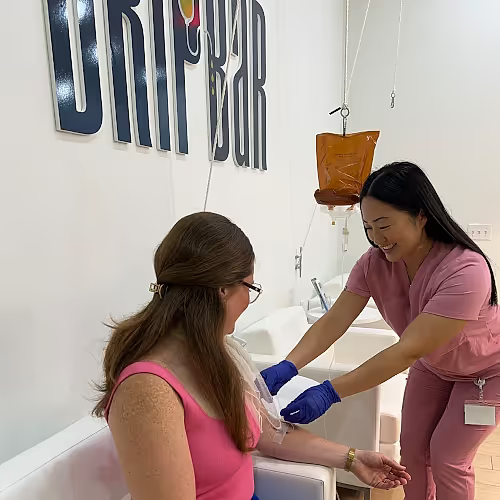
The Shield drip at The DRIPBaR is designed to support immune wellness through hydration and targeted nutrients. It typically includes vitamin C, magnesium, B12, B-complex, zinc, and NAC, though ingredients may vary by location. This infusion is positioned as a supportive layer for immune readiness, antioxidant support, and recovery during high-demand periods. Shield is not a cure or treatment, but it can help reinforce routines when intake is inconsistent. Always confirm the current formulation and discuss with your oncology team before scheduling.
Shield sessions are best used as part of a broader routine that includes hydration, nutrition, and rest. Many guests find that pairing Shield with healthy habits helps them feel more supported. It is important to remember that no single drip may help you avoid illness or replace medical care. Instead, Shield is one tool in a comprehensive wellness plan.
Zinc IV add-on benefits
Zinc is an essential mineral that supports immune cell activity, tissue repair, and antioxidant defenses. During chemotherapy, interest in zinc often increases due to appetite changes and inconsistent dietary intake. Adding zinc to your routine can be helpful, but it is important to coordinate with your healthcare provider and avoid excessive intake.
Chemotherapy immune system support tips
Supporting your immune system during chemotherapy requires a combination of practical habits and personalized care. Focus on hydration by aiming for frequent intake moments throughout the day, especially when appetite is low. Choose protein-rich micro meals to help with tissue repair and energy. Prioritize sleep and stress reduction, as both play a role in immune readiness. Practice exposure reduction by using masks in crowded places and maintaining good hand hygiene. These steps help create a safer, more consistent routine during treatment.
Neutropenia precautions during chemo are essential for reducing infection risk. Follow your oncology team’s guidance on timing for elective services and avoid wellness visits during high-risk periods. Screen for symptoms like fever or cough before each appointment. Layered protection, such as masking and hand hygiene, is especially important when white blood cell counts are low.
Hydration and nutrition for immune resilience are foundational during chemotherapy. Dehydration can worsen fatigue, headaches, and nausea, making it harder to maintain routines. Use small, frequent sips of water, tea, or broth to stay hydrated. Include protein at every meal, even if portions are small, to support recovery and immune function.
Shield drip session safety
Before scheduling a Shield drip or zinc add-on, always consult your oncology team to ensure it is appropriate for your treatment phase. Screening for symptoms and reviewing lab results helps reduce risks. The DRIPBaR uses sterile techniques and monitors guests throughout each session. If you experience fever, severe nausea, or new symptoms, seek medical evaluation before considering elective wellness services.
Personalization is key to safe and effective immune support. Your care plan should account for medication timing, lab values, and any restrictions on fluids or supplements. Adjust your routine as needed based on how you feel and what your healthcare provider recommends.
Building an Immune wellness routine
A strong immune wellness routine during chemotherapy starts with hydration, nutrition, and rest, and can be supported by immune support during chemotherapy as a practical anchor. Consistency is more important than perfection, especially when energy and appetite fluctuate. Use intake moments for fluids and micro meals to keep your body fueled. Protect your sleep by anchoring your wake time and creating a calming wind-down routine. Exposure reduction habits, like masking and hand hygiene, add another layer of protection.
Routine stacking can help you stay on track during treatment weeks. Start your day with a hydration bookend and a small protein meal. Plan for midday stability by pairing fluids with lunch and taking a short walk if cleared. In the afternoon, use a hydration bridge and a brief calm practice to manage fatigue. Evenings are best for lighter meals, gentle hydration, and a simple wind-down routine. By breaking your day into manageable blocks, you can maintain resilience even when treatment side effects are present.
Practical home setup tips
Setting up hydration and micro meal stations at home can make it easier to stick to your routine. Keep water, broth, and easy protein options within reach. A hygiene station near your entryway supports exposure reduction for you and your family.
Tracking your progress helps you see what is working and where adjustments are needed. Use a daily scorecard to monitor hydration, protein intake, sleep quality, and exposure events. Functional markers like stable energy, fewer headaches, and improved self-care can signal that your routine is supporting recovery. If you notice no benefit from add-ons or drips, simplify your plan and return to foundational habits. Remember, meaningful progress often looks like fewer crashes and more consistent routines, not perfection.
Shield session day structure
A supportive Shield session day includes a light snack before your appointment, a calm environment during the infusion, and low-demand activities afterward. Plan for a protein-rich snack within a few hours post-session. Continue hydration and gentle routines throughout the day to reinforce benefits and avoid depletion.
The next 72 hours after a Shield session are an opportunity to recommit to your wellness routine. Focus on intake moments for hydration, micro meals with protein, and consistent sleep anchors. Use layered exposure reduction, especially if you are in a high-risk period. Gentle movement, as approved by your healthcare provider, can help maintain circulation and energy. Tracking your habits during this window can reveal what supports your recovery best.
Common pitfalls include using wellness drips when acutely ill, stacking multiple supplements, or neglecting hydration and calories. The safer alternative is to prioritize foundational habits and coordinate any add-ons with your healthcare provider. If you experience new or severe symptoms, pause elective services and seek medical advice. Adjust your plan as needed to fit your current health status.
Personalization matters most
Every chemotherapy journey is unique, so immune support routines should be tailored to your needs. Work with your healthcare provider to adjust timing, frequency, and components of your plan. Personalization helps maximize safety and effectiveness.
Some people benefit from lab-guided personalization, using trends in blood counts, electrolytes, and nutrient markers to inform their routine. This approach can help you and your healthcare provider decide when to adjust hydration, nutrition, or supplement strategies. For example, if white blood cell counts are low, focus on exposure reduction and avoid elective procedures. If appetite is inconsistent, prioritize calorie fluids and micro meals. Tracking these markers over time supports safer, more responsive wellness planning.
If you are unsure about any aspect of your routine, ask questions and seek guidance. Open communication with your healthcare provider and wellness specialists ensures your plan remains aligned with your health status. Adjustments are a normal part of the process.
Shield and zinc add-ons can be integrated into your routine when foundations are stable and your healthcare provider approves. Use these services as supportive layers rather than primary solutions. Remember to review your total zinc intake from all sources and track your response to avoid overuse. If you experience nausea or other side effects, adjust your approach and discuss alternatives with your provider.
Safety and ethical messaging
Many guests from Deer Park, NY appreciate the short drive to our Commack location, where safety and clear communication are top priorities. We emphasize that all wellness services are complementary to oncology care and require screening and clearance. Our team uses responsible language, focusing on support and resilience rather than guarantees. This approach helps guests make informed choices and feel confident in their routine.
Ethical messaging means avoiding claims of guaranteed outcomes or fix. We describe our services as supportive, designed to reinforce hydration, nutrition, and recovery routines. The goal is to complement your oncology plan, not replace it.
Clear boundaries and stop rules are part of a safe wellness plan. If you experience red flag symptoms like fever, severe nausea, or new pain, pause elective services and contact your oncology team. Time-limited trials and tracking help determine if add-ons are beneficial.
Immune boosting support layers
Layered protection includes hydration, nutrition, sleep, and exposure reduction. Shield and zinc add-ons can be supportive when used thoughtfully. The strongest routines combine these elements for better resilience.
Exposure reduction habits are especially important during chemotherapy season. Use masks, hand hygiene, and distancing in crowded settings. Plan for smaller gatherings and prioritize outdoor activities when possible. These steps help lower infection risk without adding stress.
Family and household routines can further support immune wellness. Encourage hand hygiene, symptom screening for visitors, and separate towels during high-risk weeks. These practical steps help protect you and your loved ones, making it easier to maintain consistency even when energy is low.
Weekly planning can make immune support more manageable. Structure your week with low-exposure days for rest, appointment days with extra hydration, and a recovery day for gentle movement. Stock simple foods and hydration supplies in advance. If your healthcare provider approves, schedule Shield or zinc sessions during stable weeks and pair them with a recommit block for hydration, nutrition, and rest.
Home setup matters for routine success. Create hydration stations in your bedroom and living area, keep easy protein options visible, and set up a hygiene station near the entryway. These small adjustments reduce friction and make it easier to stick to your plan, especially during challenging treatment weeks. Consistency in your environment supports consistency in your habits.
Tracking and adjusting routines
Use a daily scorecard to track hydration, protein intake, sleep, and exposure events. Functional outcomes, such as stable energy and fewer headaches, can indicate your routine is working. If you notice no benefit from add-ons, simplify your plan and focus on foundational habits. Adjust your approach based on how you feel and what your healthcare provider recommends. Progress is often gradual and looks like fewer crashes and more consistent routines. Open communication and flexibility are key to long-term success.
If you experience setbacks, do not be discouraged. Adjust your plan, seek support, and remember that small changes can make a big difference. Wellness is a journey, not a destination.
Shield and zinc add-ons are best used as supportive layers, not primary solutions. Coordinate with your healthcare provider and track your response to find the right balance. Personalization and safety come first.
If you have questions about your routine or need help adjusting, reach out to your healthcare provider or wellness specialist. Support is available to help you navigate each step of your recovery.
Key takeaways for immune wellness
Immune wellness during chemotherapy is a system, not a single solution. Focus on hydration, nutrition, sleep, and exposure reduction for the strongest foundation. Shield and zinc add-ons can be supportive when used responsibly.
Safety, personalization, and tracking are essential for effective immune support. Use time-limited trials and adjust your plan based on measurable outcomes. Return to foundational habits if add-ons do not provide clear benefits.
Remember, your wellness journey is unique. Work with your healthcare provider to build a routine that fits your needs and supports your recovery. Consistency, flexibility, and open communication are the keys to long-term resilience during chemotherapy season.
Integrating supportive therapies
Integrating supportive therapies like Shield and zinc add-ons into your immune wellness routine can provide structure and motivation during challenging weeks. These services are most effective when paired with strong hydration, nutrition, and sleep habits. Always coordinate with your oncology team to ensure timing and components are safe for your treatment phase. Use supportive therapies as anchors for recommitting to your routine, not as substitutes for foundational habits. Track your response and adjust as needed to maximize benefits. Remember, the goal is to feel more stable and resilient, not to achieve perfection.
When considering immune support during chemotherapy, focus on building a routine that fits your needs and supports your recovery. Shield and zinc add-ons can be helpful, but they work best when paired with consistent hydration, nutrition, and exposure reduction. Personalization and safety are always the top priorities.
Routine stacking for resilience
Routine stacking means breaking your day into manageable blocks, each with its own focus. Start with a hydration bookend and a small protein meal in the morning. Use intake moments for fluids and snacks throughout the day. Plan for midday stability with gentle movement and exposure reduction. Evenings are for lighter meals, hydration, and a calming wind-down routine. This approach helps you maintain resilience even when treatment side effects are present.
Weekly planning can make immune support more manageable. Structure your week with low-exposure days for rest, appointment days with extra hydration, and a recovery day for gentle movement. Stock simple foods and hydration supplies in advance. If your healthcare provider approves, schedule Shield or zinc sessions during stable weeks and pair them with a recommit block for hydration, nutrition, and rest.
- Hydration focus: Use intake moments throughout the day to maintain fluid balance.
- Protein anchors: Include protein at every meal, even if portions are small.
- Sleep routine: Anchor your wake time and use a calming wind-down each night.
- Exposure reduction: Practice masking, hand hygiene, and distancing in crowded settings.
- Personalization: Adjust your plan based on lab values, symptoms, and licensed provider guidance.
- Tracking progress: Use a daily scorecard to monitor hydration, nutrition, and energy levels.
- Supportive therapies: Integrate Shield and zinc add-ons as approved by your healthcare provider.
Practical home setup strategies
Setting up hydration and micro meal stations at home makes it easier to stick to your routine. Keep water, broth, and easy protein options within reach in your bedroom and living area. A hygiene station near your entryway supports exposure reduction for you and your family. These small adjustments reduce friction and make it easier to maintain consistency, especially during challenging treatment weeks. Consistency in your environment supports consistency in your habits.
If you experience setbacks, do not be discouraged. Adjust your plan, seek support, and remember that small changes can make a big difference. Wellness is a journey, not a destination. Support is available to help you navigate each step of your recovery.
Shield and zinc add-ons are best used as supportive layers, not primary solutions. Coordinate with your healthcare provider and track your response to find the right balance. Personalization and safety come first. If you notice no benefit from add-ons, simplify your plan and focus on foundational habits. Adjust your approach based on how you feel and what your healthcare provider recommends.
Driving Directions From Deer Park, NY
Visit The DRIPBaR Commack for Immune Support Today
- From Deer Park, head toward Acorn St (pass by Bank of America with Drive-thru ATM on the right in about 0.3 mi). (About 2.6 miles)
- Continue onto Deer Pk Rd. (About 1.9 miles)
- Keep right to continue on E Deer Park Rd / Deer Pk Rd. (About 0.9 miles)
- Merge onto E Jericho Tpke. (About 1.6 miles)
- Turn left onto Rural Pl. (About 69 ft)
- Turn right, destination will be on the left. (About 167 ft)
- Arrive at The DRIPBaR Long Island Commack, 6079 Jericho Tpke, Commack, NY 11725.
Take your next step at your pace
Every wellness journey is unique, especially during chemotherapy season. At The DRIPBaR Commack, we focus on supporting you with practical, personalized routines that fit your needs and schedule. Whether you are coming from Deer Park, NY or another nearby community, our team is here to help you feel more stable and resilient. You can move at your own pace, with guidance and support available whenever you need it. If you are ready to explore supportive therapies like Shield and zinc add-ons, consider scheduling a visit. Open your calendar and choose a time that works for you. We look forward to helping you build a routine that supports your recovery and well-being.
What are effective ways to keep the immune system strong during chemotherapy?
Maintaining a strong immune system during chemotherapy involves consistent hydration, balanced nutrition, and adequate rest. Incorporating gentle movement and practicing good hand hygiene can further support immune health. It is important to avoid crowded places and follow your oncology team’s guidance. Always consult your healthcare provider before making changes to your wellness routine.
How can I build a routine around my Shield drip schedule?
Plan your Shield drip sessions during stable weeks and coordinate with your oncology team. Pair each session with a recommitment to hydration, nutrition, and rest for the following days. Avoid scheduling on days when you feel unwell or have red flag symptoms. Personalize your routine based on how you feel and your healthcare provider’s recommendations.