
If you live near Commack, you might already know how convenient it is to access wellness resources in the area. For those interested in a low purine diet, having local support can make meal planning and healthy choices easier. Many guests from surrounding Long Island communities appreciate being able to find guidance and practical tips close to home. Whether you are new to gout management or looking to refine your approach, local expertise can help you feel more confident. Remember, every step toward a balanced routine counts.
Understanding Gout and Diet
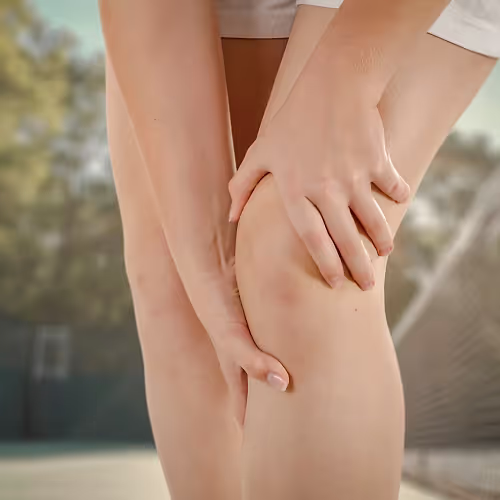
Gout is a type of inflammatory arthritis that develops when uric acid builds up in the body, forming crystals in the joints. This process can lead to sudden, intense pain and swelling, often in the big toe or other joints. Uric acid comes from the breakdown of purines, which are found in many foods and also produced naturally by the body. While medication is often necessary, dietary choices may help support uric acid management and reduce the risk of flares. A gout-friendly eating pattern focuses on limiting high-purine foods, staying hydrated, and maintaining steady meal routines. It is important to remember that no diet guarantees flare prevention, but small, consistent changes can make a difference. Tracking your own triggers and responses is key to finding what works best for you.
Gout Diet: Foods to Avoid
Certain foods are known to increase the risk of gout flares due to their high purine content. Organ meats like liver and kidney, as well as anchovies, sardines, and other oily fish, are common triggers. Concentrated meat broths, gravies, and rich sauces can also add to your purine load without you realizing it. Alcohol, especially beer and heavy liquor, may worsen symptoms by affecting hydration and uric acid handling. Sugary beverages, including sodas and sweetened juices, are another factor to watch. Limiting these foods and drinks is a practical first step in building a gout-friendly meal plan. Remember, moderation and consistency matter more than perfection.
Gout-Friendly Meal Plan Tips
A successful gout-friendly meal plan starts with simple, sustainable changes. Focus on plant-forward meals that include plenty of vegetables, whole grains, and low-fat dairy. Rotate protein sources throughout the week to avoid repeated exposure to high-purine foods. Keep portions steady and avoid feast-or-famine cycles. Planning ahead helps you avoid dehydration and last-minute choices that may trigger symptoms.
Meal planning is not about strict rules but about creating routines that fit your life. Choose two or three go-to proteins, such as eggs or tofu, and build meals around them. Include a variety of fruits and vegetables for hydration and nutrients. Having a backup plan for flare weeks can reduce stress and support recovery.
Hydration is a key part of managing gout, often just as important as food choices. Aim to drink water throughout the day, not just when you feel thirsty. Avoid sugary drinks and limit alcohol, especially during times when you are more prone to flares. Electrolyte drinks can be helpful during heat, illness, or low intake, but use them purposefully. Front-loading hydration earlier in the day can protect sleep and help maintain steady fluid balance.
Foods to Limit
Red meat, poultry, and some seafood are considered moderate-purine foods and should be eaten in smaller portions. Processed meats and game meats can also contribute to flare risk. Some vegetables like mushrooms, spinach, and cauliflower are sometimes mentioned, but most people tolerate them well. The key is to track your own responses and adjust as needed. Plant proteins and low-fat dairy are usually safer choices.
Not all foods affect everyone the same way. Personal triggers can vary, so keeping a food and symptom diary is helpful. Focus on patterns rather than perfection.
Building meals around lower-purine foods supports both uric acid goals and overall wellness. Low-fat dairy, eggs, tofu, beans, and whole grains are solid protein options. Fruits and vegetables, especially cherries and berries, are often highlighted for their potential benefits. Healthy fats like olive oil and avocado add satisfaction and support heart health. Water and unsweetened beverages should be your hydration staples.
Gout-Friendly Swaps and Strategies
One of the most practical ways to stick with a low purine diet is to make simple swaps that do not sacrifice flavor or satisfaction. Replace organ meats and rich meat dishes with eggs, tofu, or low-fat dairy. Instead of anchovy-heavy sauces or large seafood plates, choose plant proteins or moderate poultry portions. For soups, opt for vegetable-based broths and add beans or tofu for protein. These changes can help you enjoy meals while supporting your uric acid goals.
When it comes to beverages, swap sugary sodas and sweetened coffee drinks for water, sparkling water, or unsweetened tea. If you choose to drink alcohol, do so in moderation and alternate with water to support hydration. Planning snacks like yogurt with fruit or nuts may help you avoid long fasting periods that may lead to binge eating or cravings.
Portion control is another important strategy for keeping purine intake in check. Use the plate method: fill half your plate with vegetables, one quarter with whole grains or starchy vegetables, and one quarter with a low- or moderate-purine protein. Rotate protein sources throughout the week to avoid repeated high-purine exposures. If you anticipate a flare-prone event, focus on hydration and lower-purine meals before and after.
Gout Diet Grocery List
Stocking your kitchen with gout-friendly staples makes meal planning easier. Keep eggs, low-fat yogurt, and tofu on hand for quick protein options. Whole grains like oats, rice, and quinoa provide energy and help you avoid crash eating. Fresh and frozen vegetables, along with fruits such as cherries and berries, support hydration and nutrient intake. Healthy fats like olive oil and nuts add flavor and satisfaction.
Snack options such as cottage cheese with fruit, hummus with vegetables, and hard-boiled eggs can help you avoid long gaps between meals. Having a few go-to meal templates, like protein bowls or sheet pan dinners, simplifies decision-making. Planning ahead reduces the chance of reaching for high-purine, high-sodium foods when you are hungry or rushed. Keeping hydrating beverages available supports your overall routine.
- Protein choices: Eggs, low-fat yogurt, tofu, and moderate poultry are reliable staples.
- Grain options: Oats, rice, quinoa, and whole grain bread support energy and satiety.
- Vegetable picks: Leafy greens, carrots, zucchini, and bell peppers are versatile and hydrating.
- Fruit favorites: Cherries, berries, citrus, and melons offer hydration and nutrients.
- Healthy fats: Olive oil, avocado, and nuts boost flavor and fullness.
- Snack ideas: Yogurt with fruit, hummus with vegetables, and hard-boiled eggs are easy to prepare.
- Hydration helpers: Water, sparkling water, and herbal tea should be your go-to drinks.
Meal Planning for Gout
A weekly meal plan can help you stay on track with your gout-friendly goals. Start by selecting a few protein sources you enjoy and build meals around them. Use meal templates like protein bowls, stir-fries, or soups to keep things simple. Plan snacks and hydration checkpoints to avoid long fasting periods. Having a backup plan for flare weeks ensures you have easy, supportive options when needed.
During a flare, focus on comfort and hydration first. Choose soft, easy-to-digest meals like yogurt bowls, eggs, or vegetable soups. Avoid large portions of meat and seafood, and stick to plant-forward dishes. Keep fruit and hydrating foods available to support recovery. Use convenience items like frozen vegetables or prepared salads when cooking feels difficult.
Travel and weekends can present extra challenges for gout management. Plan ahead by packing snacks like nuts, fruit, or protein bars with low sugar. At restaurants, choose vegetable-forward plates and moderate protein portions. Limit alcohol and ultra-salty foods, and keep hydration steady. After travel or busy weekends, a reset routine with water-first habits and balanced meals can help you get back on track. Consistency is more important than perfection.
Weight management is a common goal for many people with gout, but rapid weight loss or extreme diets can increase flare risk. Aim for slow, sustainable changes and avoid crash dieting or fasting cycles. Consistent meals with adequate protein and fiber support both weight and uric acid goals. A plant-forward pattern is often the most satisfying and sustainable approach.
Hydration routines are essential for supporting uric acid balance. Start your day with water and continue with hydration checkpoints at meals and mid-afternoon. Use electrolyte drinks only when needed, such as during heat or illness. Watch for signs that you may need more structured hydration, like headaches or dark urine. A water-first approach helps you maintain steady fluid balance and supports overall wellness.
Personalizing Your Gout-Friendly Routine
Many guests from the Commack area find that having access to local wellness expertise makes it easier to personalize their gout-friendly routines. By working with knowledgeable professionals, you can identify your own food triggers, hydration needs, and meal planning strategies. Tracking your daily habits and symptoms helps you see patterns and make informed adjustments. Remember, the best routine is one you can maintain over time.
It is important to coordinate any dietary changes with your healthcare provider, especially if you have kidney disease, heart concerns, or are taking medications. Licensed professionals can help you set realistic goals and ensure your plan is safe. If you experience severe pain, fever, or a hot, swollen joint, seek medical evaluation promptly.
Common misconceptions about gout diets can make it harder to find a plan that works for you. Avoiding all purines is not necessary, and many people tolerate vegetables like spinach and legumes without issue. Hydration, alcohol patterns, and overall meal consistency often matter more than any single food. Focus on practical swaps and routines rather than strict rules.
Tracking and Adjusting for Success
Keeping a simple food and symptom diary can help you identify true triggers and track progress. Log hydration checkpoints, alcohol and sugary drink intake, and any high-purine foods consumed. Rate your sleep quality, stress level, and flare symptoms each day. Weekly reflections on what worked and what did not can guide future adjustments.
Use your diary to notice patterns, not to aim for perfection. Celebrate small wins and focus on consistency. If you notice flares after certain foods or drinks, adjust your plan accordingly. Over time, this approach can help you feel more in control and reduce decision fatigue.
Remember, results vary and setbacks are normal. The goal is to build habits that support your wellness, not to achieve a perfect record.
Integrating Wellness Support
Hydration support services may help you feel steadier as you follow your gout plan. Options like IV hydration or red-light therapy can complement your routine, especially during recovery weeks or after travel. Always coordinate with your healthcare provider before adding new wellness services.
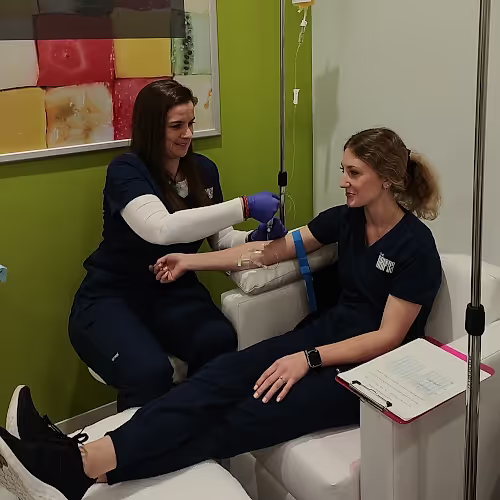
The DRIPBaR Long Island offers a welcoming environment where guests can access hydration and nutrient support tailored to their needs. Experienced licensed providers and wellness professionals provide guidance and education to help you make informed choices. Many guests appreciate the calm, modern setting and the opportunity to recharge during their visit.
Community connections and ongoing education are central to the experience at The DRIPBaR. Whether you are new to wellness services or a returning guest, the team is committed to helping you feel supported and confident in your journey. Personalized care and a focus on results make each visit meaningful.
When to Seek Help
If you experience fever, chills, or a hot, swollen joint, seek medical attention promptly. Rapidly spreading redness, severe pain, or inability to bear weight are also signs that require urgent evaluation. Persistent vomiting, dehydration, or new chest pain should not be ignored. Your safety is always the top priority.
Do not hesitate to reach out to a licensed professional if you are unsure about your symptoms. Early intervention may help you avoid complications and support a smoother recovery. Wellness routines are most effective when paired with timely medical care.
Remember, flares can happen for many reasons, including stress, illness, or medication changes. Focus on practical next steps and self-care rather than blame. Support is available to help you navigate challenges.
Key Takeaways for Gout-Friendly Living
A low-purine, gout-friendly diet is about building sustainable habits that fit your life. Focus on reducing the highest-purine foods, limiting alcohol and sugary drinks, and planning balanced meals. Consistency and hydration are your best allies.
The most effective approach is to use a low purine diet as a foundation, making simple swaps and planning ahead for busy weeks or travel. Remember, the goal is progress, not perfection. Small, steady changes can help you feel more in control.
Practical Gout Diet Tips
Keep your kitchen stocked with gout-friendly staples and plan meals in advance. Rotate protein sources and use the plate method for balanced portions. Stay hydrated and avoid long fasting periods.
If you are new to gout management, start with one or two changes and build from there. Track your symptoms and adjust your plan as needed. Seek guidance from wellness professionals when you have questions. Remember, setbacks are normal and do not mean you have failed. Support is available to help you stay on track.
- Limit high-purine foods: Avoid organ meats, anchovies, and rich broths.
- Moderate protein portions: Choose eggs, tofu, and low-fat dairy more often.
- Hydrate consistently: Drink water throughout the day and limit sugary drinks.
- Plan ahead: Prepare snacks and meals to avoid last-minute choices.
- Track your triggers: Use a diary to identify patterns and adjust your plan.
- Seek support: Work with wellness professionals for personalized guidance.
Building a Sustainable Routine
Consistency is more important than strict rules. Focus on routines that feel manageable and enjoyable. Adjust your plan as your needs and preferences change.
Celebrate your progress and be patient with setbacks. Sustainable habits are built over time, not overnight. Support from your community and wellness team can make a big difference.
Remember, your journey is unique. Find what works for you and stick with it. Wellness is a process, not a destination.
If you are ready to take the next step, consider reaching out to The DRIPBaR Long Island for personalized hydration and wellness support. Their experienced team can help you explore options that fit your lifestyle and goals. Booking a visit is a simple way to prioritize your health and recharge. Whether you are managing gout or focusing on overall wellness, local resources can make your journey easier.
Ready to Start Your Gout Journey?
Taking control of your gout management is a gradual process, and every small step matters. Start by making one or two changes to your routine and build from there. Use the resources and support available in your community to stay motivated. Remember, you are not alone on this journey. Consistent effort and a supportive environment can help you feel your best.
If you have questions or need guidance, reach out to a wellness professional for advice. Personalized support can help you stay on track and make informed decisions. Your health and comfort are worth the investment.
Find Your Gout-Friendly Balance
A gout-friendly lifestyle is about progress, not perfection. Focus on steady hydration, balanced meals, and practical swaps that fit your life. Track your habits, celebrate small wins, and adjust as needed. Support from local wellness experts can make your journey smoother. Remember, every positive change counts. Take your time and move at your own pace.
Ready to explore your options? Open your calendar and choose a time to connect with a wellness professional. Your next step toward comfort and confidence is just a click away.