
Many guests from Commack and nearby areas find it easy to visit The DRIPBaR for wellness support. If you are exploring options for managing symptoms, our team can help you build a hydration-first plan. Learn more about Demyelinating disease and how structured routines may fit your needs. We focus on comfort, routine, and practical recovery strategies. Every visit is tailored to your goals and lifestyle. Let us help you feel more confident in your daily wellness journey.
Hydration therapy and symptom management
Hydration therapy can play a key role in supporting energy, focus, and muscle comfort for those with neuroinflammatory symptoms. Consistent fluid intake helps reduce dizziness and fatigue. Our team guides you through safe, personalized hydration routines. Every plan is built around your unique needs.
IV hydration therapy is not a cure, but it can support overall wellness. We recommend steady routines over quick fixes. Licensed professionals screen for safety before each session.
Daily-life impact of demyelinating conditions
Living with demyelinating conditions often means managing fluctuating symptoms. Fatigue, heat sensitivity, and brain fog can disrupt routines. Hydration and recovery services offer practical ways to support daily resilience.
Common symptom patterns explained
Demyelinating conditions can cause a wide range of symptoms, which may change from day to day. Many people experience afternoon energy crashes, muscle tightness, or increased sensitivity to heat. Brain fog and reduced focus are also common, especially during periods of stress or poor sleep. Some notice tingling, balance changes, or heaviness in their legs. Sleep disruption and nocturia can further impact comfort. Recognizing these patterns helps tailor wellness routines. Our approach emphasizes steady hydration, gentle movement, and recovery planning.
Hydration therapy and recovery services are designed to address these daily challenges. By focusing on routine and pacing, guests can better manage symptom fluctuations. Our wellness clinic offers guidance on building sustainable habits. Each plan is adapted to individual needs and preferences. The goal is to enhance comfort and daily function.
Hydration-first routines
A hydration-first routine means drinking fluids at regular intervals throughout the day. This approach helps maintain energy and reduces the risk of dehydration. Small, frequent sips are often more effective than large amounts at once.
Many people unintentionally restrict fluids to avoid bathroom trips, but this can increase fatigue and discomfort. Waiting until you feel thirsty is not always reliable, as thirst can lag behind true hydration needs. Chugging water late in the day may disrupt sleep due to increased nighttime urination. Caffeinated drinks can contribute to dehydration if they replace water. On days with heavy sweating, adding electrolytes may help, but it is not necessary for everyone.
Electrolytes and hydration balance
Electrolytes are essential for fluid balance, especially during heat, illness, or low appetite days. Balanced meals often provide enough minerals, but some may benefit from broths or electrolyte drinks in specific situations. People with kidney or heart concerns should consult with a licensed professional before using supplements. Electrolyte products are situational tools, not daily requirements. The focus should remain on steady hydration and food-first nutrition.
Low appetite can make it difficult to maintain hydration and nutrient intake. Pairing small sips of fluid with mini-meals every few hours can help. Protein bites with fruit or crackers are easy options. Smoothies or simple soups may also be tolerated on fragile days. Avoid forcing large meals or drinks when appetite is low. Gentle, frequent intake supports comfort and recovery. Tracking which foods and fluids work best can guide future routines.
Recovery services for neuroinflammation support
At The DRIPBaR, we understand that managing demyelinating disease is a daily process. Our recovery services are designed to complement hydration routines and support comfort. Each session is tailored to your unique needs.
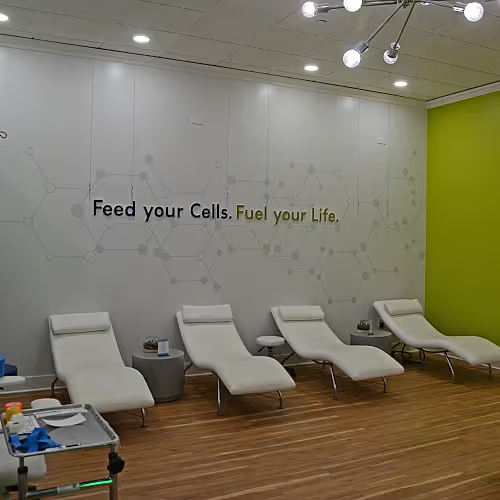
Recovery services such as compression boots, red-light therapy, and calm lounge sessions can help reduce muscle heaviness and support relaxation. These options are especially useful after travel, high-demand days, or periods of increased stress. For heat-sensitive individuals, alternatives to sauna or intense heat are available. Our team recommends starting with short, comfortable sessions and tracking your response. Passive recovery tools can anchor rest and help you build resilience. Every guest receives guidance on integrating these services into their broader wellness plan.
Movement and pacing
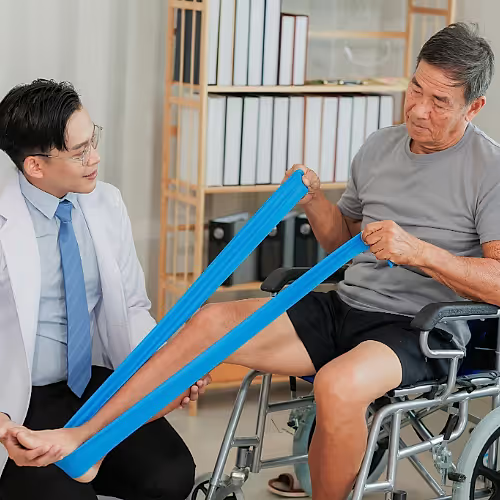
Consistency is more important than intensity when it comes to movement for those with demyelinating conditions. Short daily mobility sessions, gentle walking, and light strength work can help maintain function without triggering symptom crashes. The goal is to stop activity before fatigue sets in. Pacing routines allow for gradual capacity building. Rest breaks and cool-downs are built into each plan. Our wellness clinic encourages tracking how you feel after each session. This helps refine your approach over time.
Gentle movement supports circulation and reduces stiffness. For many, five to ten minutes of mobility each day is enough. Strength sessions can be added two to three times per week if tolerated. Cooling strategies are important for heat-sensitive guests. Our team can help you design a movement plan that fits your lifestyle and comfort level. Consistency leads to better long-term outcomes.
Sleep and stress routines
Protecting sleep is essential for recovery and daily resilience. Consistent bedtimes, morning light exposure, and a cool sleep environment all support better rest. Caffeine should be limited to earlier in the day. Evening wind-down routines with low stimulation help prepare the body for sleep. Hydration should be tapered in the evening to reduce nighttime disruptions. Gentle stretching or relaxation techniques can ease muscle tension and promote comfort.
Stress and sensory overload can worsen symptoms. Simple routines like long-exhale breathing, jaw relaxation, and sensory breaks can help. Guided relaxation audio is available during recovery sessions. Calm is a performance tool that improves recovery. Our team encourages building these habits into your daily routine.
Nutrition plays a key role in supporting energy and recovery. Mini-meals with protein and gentle carbohydrates are helpful on low appetite days. Avoid extreme dietary changes during sensitive periods.
Oral supplements can bridge nutrient gaps between visits. Start with one supplement at a time and monitor for side effects. Vitamin D, B12, and magnesium are common topics in wellness planning. Always align supplement choices with lab results and professional guidance.
Monthly wellness rhythm
A predictable monthly schedule can simplify wellness routines. Week one might focus on hydration and recovery, while later weeks address movement, resilience, and sleep. Adjust your plan for travel, stress, or seasonal changes.
The first month is about building tolerance and clarity. Avoid trying too many new things at once. Choose one recovery service to trial consistently and keep oral supplements minimal. Schedule visits on low-demand days to reduce stress. Add only one new variable every two to four weeks. Tracking your response helps identify what works best for you. This approach supports habit formation and long-term success.
Travel can increase dehydration, fatigue, and stiffness. Pre-hydrate before trips, pack snacks, and take movement breaks during travel. Use recovery services after arrival if needed.
Many guests return regularly because they notice improved energy and comfort. Consistency and personalization are key to lasting results. Our team is here to support your ongoing wellness journey.
Wellness clinic approach to hydration therapy
Clients from Huntington, Northport, and the greater Long Island area often mention the convenience of our Commack location. Our wellness clinic blends clinical expertise with a welcoming, modern environment. Each visit includes a thorough review of your health history and wellness goals. Safety and comfort are always prioritized. We aim to make every guest feel supported and informed.
Our team includes experienced Licensed Providers and wellness professionals trained in IV therapy and hydration support. Each session is tailored to your needs, with careful screening for safety. We offer a range of hydration and nutrient options, including vitamin injections and recovery services. Guests appreciate the calm, relaxing atmosphere and attentive care. Education and transparency are central to our approach. We want you to feel confident in every aspect of your wellness plan.
We participate in local events, athletic programs, and community partnerships. Our goal is to support health and wellness throughout the Commack area. Giving back and staying connected is a core part of our mission. We regularly collaborate with nearby businesses and schools. Community engagement helps us better understand and serve our guests.
Safety and screening
Before starting hydration or recovery services, our team conducts a detailed intake to assess your health status. We review kidney and heart health, blood pressure, medication lists, and any history of infusion reactions. Pregnancy, breastfeeding, and infection symptoms are also discussed. This careful screening helps ensure each session is safe and comfortable. Guests are encouraged to share any new or changing symptoms. Our team is trained to recognize when medical evaluation is needed. Safety is always the top priority.
Stop rules are in place for any session. If you experience dizziness, chest discomfort, severe headache, or new neurologic symptoms, the session will be paused. Our staff monitors guests throughout each visit. We encourage open communication about how you feel. These protocols help maintain a safe environment for everyone. Your well-being is our primary concern.
We recommend discussing any wellness services with your healthcare provider. Collaboration ensures your plan fits your overall health needs. Personalized routines lead to better outcomes.
Personalized recovery planning
Recovery-day planning is a key part of our approach. A recovery day is designed to reduce stress, stabilize hydration, and support sleep. Morning routines might include a hydration anchor and gentle movement. Midday, we encourage mini-meals and optional recovery services like compression boots. Afternoon rest blocks help you avoid fatigue spikes. Evening wind-down routines and a cool sleep environment support better rest. Each plan is adapted to your lifestyle and symptom patterns. Tracking what works helps refine your routine over time.
Monthly maintenance scheduling helps create a repeatable rhythm. Week one may focus on hydration and calm recovery, while later weeks address movement, resilience, and comfort. Adjust your plan for travel, heat, or high-stress periods. Consistency is more important than frequency. Our team can help you design a schedule that fits your needs and goals.
Communication and collaboration
Open communication is encouraged at every step. We provide scripts to help you discuss wellness services with your provider. Sharing your experiences helps us tailor your plan. Collaboration leads to safer, more effective routines.
If you notice new or rapidly changing symptoms, we recommend pausing wellness services and seeking medical evaluation. Our team is trained to recognize red flags and will guide you if concerns arise. Safety always comes first. We support ongoing dialogue between guests, providers, and our staff. This approach builds trust and ensures your wellness journey is both safe and effective.
Hydration therapy and recovery services
Hydration therapy at The DRIPBaR is designed to support comfort, energy, and resilience. Each session is tailored to your needs and screened for safety. Recovery services such as compression boots and red-light therapy complement hydration routines. Our team helps you integrate these options into your broader wellness plan. Consistency and personalization are key to lasting benefits.
Many guests managing demyelinating disease find that structured hydration and recovery routines help stabilize symptoms. Our approach emphasizes steady habits, gentle movement, and practical support. We encourage you to explore what works best for your lifestyle. Each guest receives individualized guidance and education. Let us help you build a plan that fits your needs.
IV hydration is most useful when oral intake is difficult or during high-demand periods. It is not a replacement for daily hydration habits. Our team screens for safety and recommends minimalism when adding nutrients or antioxidants. Tracking your response to each session helps refine your plan. We encourage starting with a hydration-first base and adjusting one variable at a time. This approach supports clarity and comfort.
Checklist for daily routines
Daily hydration anchors include drinking after waking, with meals, and mid-afternoon. Avoid restricting fluids all day and then chugging at night. Use steady sips for better hydration. Pair fluids with mini-meals on low appetite days. Cooling strategies and sleep protection are also important. Consistency supports better outcomes.
Heat-sensitive guests benefit from pre-cooling, cooling breaks, and a cool sleep environment. Mini-meals and steady hydration help manage energy and comfort. Our team can help you design a plan for heat or travel days.
- Hydration anchors: Drink after waking, with meals, and mid-afternoon.
- Cooling strategies: Use fans, neck wraps, and cool-down routines on warm days.
- Mini-meals: Pair small sips with protein and gentle carbohydrates every few hours.
- Sleep protection: Taper fluids in the evening and use a wind-down routine for better rest.
Monthly wellness scheduling tips
A simple monthly rhythm can help maintain wellness routines. Week one may focus on hydration and calm recovery, while later weeks address movement, resilience, and sleep. Adjust your schedule for travel, heat, or high-stress periods. Consistency is more important than frequency. Our team can help you design a plan that fits your needs and goals.
Tracking your response to each session helps refine your approach. Add only one new variable at a time. Personalized routines lead to better outcomes.
Oral supplements are often used to bridge nutrient gaps between visits. Start with one supplement at a time and monitor for side effects. Vitamin D, B12, and magnesium are common topics in wellness planning. Always align supplement choices with lab results and professional guidance. Avoid starting new supplements during travel or flare-prone weeks.
Travel and active lifestyle support
Travel can increase dehydration, fatigue, and stiffness. Pre-hydrate before trips, pack snacks, and take movement breaks during travel. Use recovery services after arrival if needed. Active lifestyle support includes hydration anchors, protein consistency, and cooling strategies during exercise. Compression boots can help after leg-heavy activity. Our team can help you design a plan that fits your travel and activity needs.
Nutrition and hydration are key to maintaining energy and comfort. Mini-meals and steady sips help manage low appetite days. Consistency supports better outcomes.
Start your wellness journey today
If you are ready to explore hydration-first routines and recovery services, our team is here to help. Schedule a no-obligation conversation to discuss your goals and questions. We look forward to supporting your wellness journey at The DRIPBaR Long Island.
Additional Related Resources
For a deeper understanding of how hydration and electrolytes impact daily wellness, visit this MedlinePlus page on fluid and electrolyte balance basics. This resource explains why steady hydration matters for managing dizziness, fatigue, and muscle comfort.