
Struggling with frequent pelvic discomfort?
Bladder inflammation can cause persistent pelvic pain and urinary urgency, making daily life challenging. Many people find that symptoms return even after standard treatments. Finding lasting relief often requires a combination of approaches.
Find Relief and Support for Bladder Health
Targeted support for comfort.
Bladder inflammation can disrupt daily routines with discomfort, urgency, and frequent trips to the restroom. The DRIPBaR offers supportive therapies designed to help ease pelvic tension, promote tissue recovery, and support immune balance. These approaches focus on hydration, targeted nutrients, and stress reduction to help manage symptoms and improve comfort. Many clients find that regular sessions can help reduce flare-ups and support overall urinary wellness.
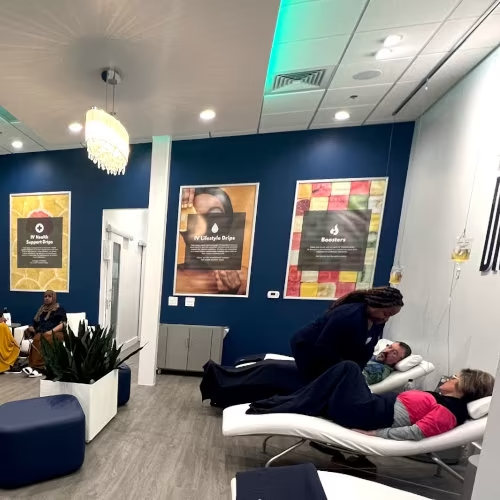
Our team at The DRIPBaR Long Island provides a welcoming environment where you can access integrative therapies tailored to your needs. We use evidence-informed methods to help you address bladder discomfort and support your recovery goals. If you are seeking additional support for ongoing bladder issues, book your appointment today to explore your options.
Did you know?
Bladder inflammation is much more common in women, often linked to urinary tract infections or chronic irritation.
Understanding Bladder Inflammation
When the bladder lining becomes irritated or swollen, it can lead to a condition known as bladder inflammation. This issue is often triggered by bacterial infections, chemical irritants, or chronic conditions that disrupt the bladder’s protective barrier. The resulting inflammation can make the bladder more sensitive to urine, causing discomfort and frequent urges to urinate. Over time, persistent irritation may also increase nerve sensitivity and immune activity in the pelvic area.
Common triggers include stress, hormonal changes, certain foods, and imbalances in the urinary tract’s natural bacteria. Managing bladder inflammation typically involves addressing these triggers, supporting tissue repair, and reducing inflammation. While antibiotics are used for infections, non-infectious cases may require a broader approach. Integrative therapies can play a role in easing symptoms and supporting long-term bladder health.
Symptoms of Bladder Inflammation
Bladder inflammation often presents with a combination of urinary and pelvic symptoms. Many people notice an increased urgency to urinate, even when the bladder is not full. Discomfort or pressure in the lower abdomen is also common, sometimes accompanied by a burning sensation during urination. These symptoms can disrupt daily activities and sleep patterns.
Some individuals experience frequent urination, needing to visit the restroom multiple times throughout the day and night. The sensation of incomplete emptying may persist, adding to frustration. In chronic cases, pain may radiate to the pelvic floor or lower back, and symptoms may fluctuate in intensity. Flare-ups can be triggered by stress, certain foods, or hormonal shifts.
For those with ongoing bladder inflammation, symptoms may persist for weeks or months. Episodes can be unpredictable, sometimes improving with rest or hydration but returning with physical or emotional stress. Recognizing patterns and triggers is important for effective management and seeking appropriate support.
Traditional Treatments
Conventional care for bladder inflammation depends on the underlying cause. Bacterial infections are typically managed with antibiotics, while non-infectious cases may involve anti-inflammatory medications, bladder instillations, or physical therapy. Lifestyle adjustments, such as dietary changes and stress management, are often recommended to help reduce symptom triggers and support recovery. For chronic or recurrent cases, ongoing care may include immune modulation, hydration strategies, and therapies aimed at repairing the bladder lining. Some individuals benefit from integrative approaches that combine conventional medicine with supportive therapies. These methods do not replace medical care for acute infections but may help reduce symptom severity and improve quality of life.
How IV Therapy May Help
Many people expect quick relief from bladder discomfort, but lasting improvement often requires a more comprehensive approach. At The DRIPBaR, supportive therapies are designed to deliver hydration and targeted nutrients directly to the body, which may help reduce inflammation and promote tissue repair. These services are provided in a relaxing environment and can be tailored to your individual needs. Regular sessions may help manage symptoms and support your overall sense of well-being. Our therapies focus on supporting immune balance, easing pelvic tension, and promoting recovery without replacing your primary medical care. By combining hydration, essential nutrients, and stress reduction strategies, we aim to help you feel more comfortable and resilient. Each session is overseen by trained staff to ensure safety and comfort. If you are looking for additional support, our team is here to help you explore your options.
Supportive Approaches for Pelvic Comfort
Certain wellness therapies can help ease pelvic tension and support tissue recovery. These approaches focus on hydration, circulation, and stress relief. Integrative care may help you manage symptoms and feel more comfortable.
Infrared Sauna
Infrared Sauna therapy offers a unique way to support the body’s natural recovery processes through deep, targeted heat. By gently raising core temperature, it promotes improved circulation and encourages the elimination of toxins. The warmth helps ease muscle tension and supports skin health by enhancing nutrient delivery. Sessions are conducted in a private, comfortable setting with trained staff to ensure a relaxing experience. This therapy can be integrated with other wellness services to enhance overall benefits. Regular use may contribute to improved comfort, relaxation, and metabolic balance. It is suitable for individuals seeking a gentle, effective approach to wellness support.
Read moreSoother
Soother is an IV infusion that delivers key nutrients like magnesium, calcium, and taurine directly into the bloodstream. This approach helps calm the nervous system, reduce muscle tension, and support mental balance. It promotes restful sleep and mental clarity by replenishing essential minerals and amino acids. The infusion is designed for those experiencing stress, muscle tightness, or emotional strain. Regular treatments may improve overall wellness and resilience. It offers a gentle, effective way to support both physical and mental recovery.
Very nice service.. Jen and Angelina are the best.
Great place! Definitely worth it and never have to wait!
The best!
Read more
Ready to Get Started?
Feel your best with a treatment designed to support your goals! Whether you’re looking for hydration, energy, immune support, recovery, or overall wellness, our team will help you choose the right option and make sure your experience is comfortable from start to finish. Click the Book Appointment button below to pick your reserve a time that fits your schedule.