
Are symptoms disrupting daily life?
Numbness, fatigue, or vision changes can make everyday tasks difficult. These symptoms often fluctuate, leaving you uncertain about how to plan your day. Understanding your options can help you regain a sense of control.
Support Nerve Health and Recovery
Targeted support options.
Demyelinating conditions can affect nerve function, leading to symptoms like weakness, sensory changes, and fatigue. The DRIPBaR offers supportive therapies designed to deliver antioxidants and nutrients that may help reduce inflammation and promote nerve repair. These IV infusions are tailored to complement your existing care plan, aiming to improve energy and neurological clarity. By focusing on replenishing key nutrients, our approach supports your body’s natural recovery processes.
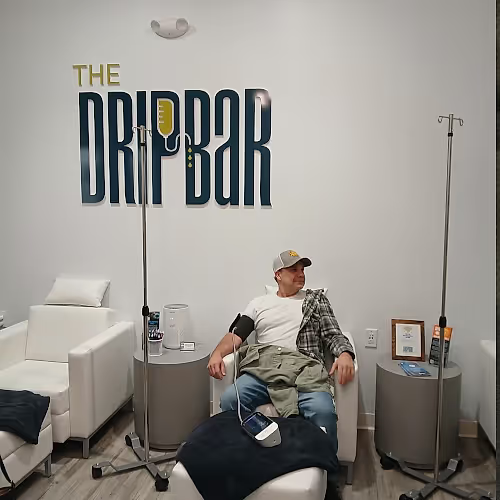
Our team at The DRIPBaR Long Island provides a safe environment for clients managing demyelinating conditions. We work with you to create a schedule that fits your needs and supports your wellness goals. If you’re seeking additional support during recovery or between flare-ups, our therapies may help you feel more balanced. Book your appointment today to explore your options.
Did you know?
Demyelinating conditions can affect both children and adults, often requiring a combination of medical and supportive care.
Understanding Demyelinating Conditions
Demyelinating conditions are neurological disorders where the protective myelin sheath around nerve fibers is damaged. This loss of myelin disrupts the transmission of electrical signals between the brain, spinal cord, and body, leading to a range of neurological symptoms. Common types include Neuromyelitis Optica Spectrum Disorder, Acute Disseminated Encephalomyelitis, and Transverse Myelitis. The severity and pattern of symptoms depend on which nerves are affected and the underlying cause.
Triggers for these conditions may include autoimmune reactions, infections, or unknown factors. Management typically involves reducing inflammation, avoiding relapses, and supporting nerve repair through rehabilitation and nutrition. Early assessment and ongoing monitoring are important for optimal outcomes. Supportive therapies can play a role in overall wellness, but medical supervision is always recommended.
Symptoms of Demyelinating Conditions
Demyelinating conditions often present with a range of neurological symptoms, which can vary in intensity and duration. Vision loss, muscle weakness, and sensory disturbances such as numbness or tingling are common. Some individuals may experience paralysis or loss of coordination, making daily activities more challenging. Chronic fatigue and cognitive changes, including brain fog, can also occur.
Symptoms may develop suddenly or progress gradually, sometimes following an infection or immune event. Flare-ups can be unpredictable, with periods of worsening followed by partial recovery. The pattern and severity of symptoms often depend on the specific nerves involved. Children and adults may be affected differently, and symptom management needs to be individualized.
Other signs can include muscle spasms, nerve pain, and difficulties with balance or walking. Some people report persistent weakness or changes in sensation that do not fully resolve. Emotional stress and physical exertion can sometimes trigger or worsen symptoms. Ongoing monitoring and a comprehensive care plan are important for managing these complex conditions.
Traditional Treatments
Conventional care for demyelinating conditions focuses on reducing inflammation and supporting nerve repair. This often involves medications such as corticosteroids, immunosuppressants, or plasma exchange to manage acute episodes and help avoid relapses. Rehabilitation therapies, including physical and occupational therapy, help restore function and improve quality of life. Nutritional support and symptom management are also important aspects of care. Long-term management may require regular follow-up with healthcare providers to monitor disease progression and adjust treatment as needed. Some individuals benefit from additional supportive therapies, such as targeted nutrient infusions, to complement their medical regimen. Consistency in care and attention to overall wellness can help stabilize symptoms. It is important to work closely with your medical team to ensure all aspects of your health are addressed.
How IV Therapy May Help
Supportive IV therapies at The DRIPBaR are designed to deliver antioxidants and essential nutrients directly into the bloodstream, bypassing the digestive system for optimal absorption. This approach may help reduce oxidative stress, support immune balance, and promote nerve health for those managing demyelinating conditions. Each session is tailored to individual needs, with careful monitoring by licensed providers to ensure safety and comfort. Clients often seek these therapies to complement their existing treatment plans and address symptoms like fatigue or brain fog. While results can vary, many find that regular sessions help maintain energy and support recovery between flare-ups. Our services are intended to work alongside traditional medical care, not as a replacement. Ongoing communication with your healthcare provider is encouraged to ensure the best possible outcomes.
Nutrient Support for Nerve Health
Certain IV therapies provide antioxidants and nutrients that may help reduce inflammation and support nerve repair in demyelinating conditions.
Alpha Lipoic Acid (ALA)
Alpha Lipoic Acid (ALA) is delivered intravenously to support cellular energy production and antioxidant protection. This therapy enhances mitochondrial efficiency and helps neutralize oxidative stress. It also supports metabolic regulation and nerve health. The infusion is designed for rapid absorption and broad tissue support. Clients seeking to improve vitality and reduce fatigue may benefit from this treatment. It is administered by licensed providers in a professional setting. This approach offers a targeted option for those prioritizing wellness and recovery.
Very nice service.. Jen and Angelina are the best.
Great place! Definitely worth it and never have to wait!
The best!
Ready to Get Started?
Feel your best with a treatment designed to support your goals! Whether you’re looking for hydration, energy, immune support, recovery, or overall wellness, our team will help you choose the right option and make sure your experience is comfortable from start to finish. Click the Book Appointment button below to pick your reserve a time that fits your schedule.