
Are flare-ups disrupting your mobility?
Sudden joint pain and swelling can make daily activities challenging. These symptoms often come on quickly and may linger, affecting comfort and movement. While some relief may be immediate, ongoing care is important for long-term joint health.
Find Relief and Restore Joint Comfort
Support for joint inflammation.
Gout can cause intense pain, swelling, and stiffness in the joints, making it difficult to move comfortably. The DRIPBaR offers supportive therapies that focus on reducing inflammation, promoting tissue repair, and improving circulation. These approaches are designed to help ease discomfort, support joint recovery, and enhance overall well-being. Many clients notice gradual improvement in mobility and comfort with consistent care.
Our team at The DRIPBaR Long Island provides a welcoming environment where you can access wellness services tailored to your needs. We use evidence-informed protocols to help manage symptoms and support your recovery goals. If you are seeking ways to complement your current gout management, our services may offer additional support. Book your appointment today to start your path toward better joint health.
Did you know?
Gout is most common in men over 40 and postmenopausal women, often triggered by high-purine diets or dehydration.
Understanding Gout and Its Impact
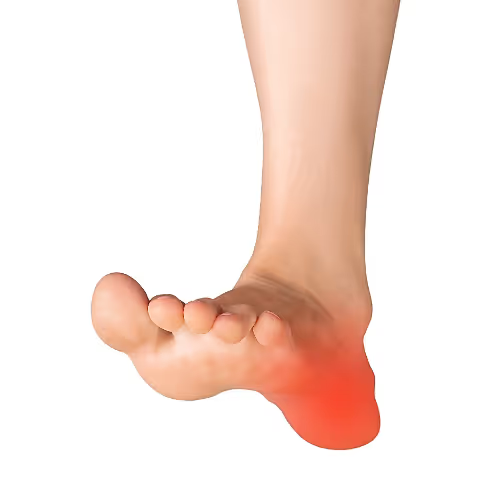
Gout is a type of inflammatory arthritis caused by excess uric acid in the blood, which leads to the formation of sharp crystals in the joints. This process triggers sudden episodes of intense pain, swelling, and redness, most often affecting the big toe but also other joints. The buildup of uric acid can result from overproduction, reduced kidney excretion, or both. Over time, repeated attacks may lead to chronic joint damage and decreased mobility.
Common triggers include diets high in purines, dehydration, obesity, and certain medications or medical conditions. Managing gout involves a combination of lifestyle changes, such as staying hydrated and adjusting diet, along with medical therapies to control uric acid levels. Early recognition of symptoms and prompt care can help reduce the frequency and severity of flare-ups. Integrative approaches may also support recovery and help maintain joint health.
Common Symptoms of Gout
Gout typically presents with sudden, severe pain in one or more joints, often starting at night. Swelling, redness, and warmth are common, making the affected area sensitive to touch and movement. The big toe is frequently involved, but ankles, knees, wrists, and fingers can also be affected. Episodes may last several days, with lingering discomfort as inflammation subsides.
During a flare-up, joint stiffness and limited mobility can interfere with daily tasks. Some people experience low-grade fever or fatigue alongside joint symptoms. Recurrent attacks may lead to chronic joint changes, including persistent swelling or deformity. Over time, untreated gout can contribute to the development of kidney stones or chronic arthritis.
Between flare-ups, joints may feel normal, but uric acid crystals can continue to accumulate silently. Early intervention and ongoing management are important to help avoid long-term complications. Recognizing the signs of a flare and seeking appropriate support can help minimize discomfort and protect joint function.
Traditional Treatments
Conventional care for gout focuses on managing acute pain and reducing inflammation during flare-ups. Nonsteroidal anti-inflammatory drugs (NSAIDs), corticosteroids, and colchicine are commonly prescribed to control symptoms quickly. For long-term management, medications that lower uric acid levels, such as allopurinol or febuxostat, may be recommended to help avoid future attacks. Lifestyle modifications, including increased hydration, weight management, and dietary adjustments, play a key role in reducing risk factors. Regular monitoring of uric acid levels and kidney function helps guide ongoing care. Some individuals may need to adjust medications or make additional changes based on their response to treatment. Complementary therapies, such as targeted cooling or circulation support, can provide additional relief for joint discomfort. Working closely with healthcare providers ensures that treatment plans are safe and tailored to individual needs.
How IV Therapy May Help
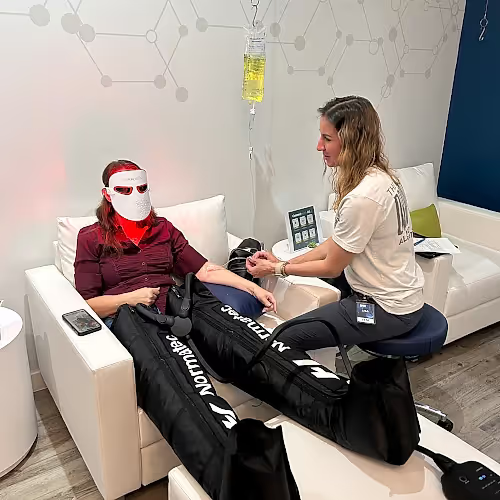
At The DRIPBaR, our wellness services are designed to support your body’s natural recovery processes. IV therapy can deliver hydration and targeted nutrients directly into the bloodstream, helping to reduce inflammation and promote tissue repair. Controlled dosing and professional supervision ensure that each session is tailored to your needs, with a focus on comfort and safety. Many clients find that regular sessions help improve joint mobility and overall well-being. Our approach emphasizes gentle, integrative care that complements traditional medical treatments for gout. We monitor your progress and adapt services as needed, always prioritizing your safety and goals. By supporting detoxification, circulation, and immune resilience, our therapies may help reduce the frequency and intensity of flare-ups. Consistent care can be an important part of maintaining joint health and enhancing your quality of life.
Supportive Options for Joint Recovery
Certain wellness services can help manage inflammation and support joint comfort during recovery. These approaches focus on improving circulation, easing stiffness, and promoting overall mobility. Integrative care may enhance your recovery experience.
Infrared Sauna
Infrared Sauna therapy offers a unique way to support the body’s natural recovery processes through deep, targeted heat. By gently raising core temperature, it promotes improved circulation and encourages the elimination of toxins. The warmth helps ease muscle tension and supports skin health by enhancing nutrient delivery. Sessions are conducted in a private, comfortable setting with trained staff to ensure a relaxing experience. This therapy can be integrated with other wellness services to enhance overall benefits. Regular use may contribute to improved comfort, relaxation, and metabolic balance. It is suitable for individuals seeking a gentle, effective approach to wellness support.
Read moreSoother
Soother is an IV infusion that delivers key nutrients like magnesium, calcium, and taurine directly into the bloodstream. This approach helps calm the nervous system, reduce muscle tension, and support mental balance. It promotes restful sleep and mental clarity by replenishing essential minerals and amino acids. The infusion is designed for those experiencing stress, muscle tightness, or emotional strain. Regular treatments may improve overall wellness and resilience. It offers a gentle, effective way to support both physical and mental recovery.
Very nice service.. Jen and Angelina are the best.
Great place! Definitely worth it and never have to wait!
The best!
Read more
Ready to Get Started?
Feel your best with a treatment designed to support your goals! Whether you’re looking for hydration, energy, immune support, recovery, or overall wellness, our team will help you choose the right option and make sure your experience is comfortable from start to finish. Click the Book Appointment button below to pick your reserve a time that fits your schedule.