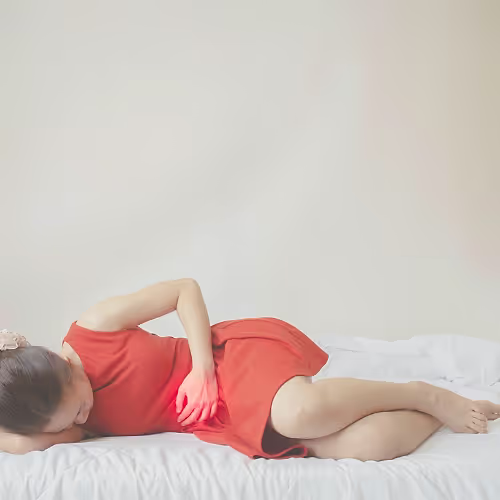

Struggling with pelvic pain and urgency?
Bladder inflammation can trigger persistent pelvic pain and frequent urges to urinate. Each person’s symptoms may fluctuate, so ongoing attention and professional guidance are important. Magnesium may help relax pelvic floor muscles and ease discomfort.
Relief for Bladder Discomfort and Urgency
Targeted support for relief.
The DRIPBaR offers targeted support to help manage symptoms of interstitial cystitis by addressing inflammation and promoting tissue repair. IV therapies can deliver nutrients such as magnesium and vitamin C directly into the bloodstream, supporting immune balance and calming pelvic discomfort. These approaches may help reduce urinary urgency and frequency while supporting overall bladder health. Individual responses can vary, and ongoing care is tailored to each client’s needs.
Clients at The DRIPBaR Long Island receive care designed to complement their existing management strategies for interstitial cystitis. Our team works with you to develop a plan that fits your lifestyle and wellness goals. Regular sessions may help maintain comfort and reduce the likelihood of flare-ups. Book your appointment today to explore supportive options.
Did you know?
Interstitial cystitis often affects women between ages 30 and 50, and its symptoms can fluctuate with stress or dietary triggers.
Understanding Interstitial Cystitis
Interstitial cystitis is a chronic bladder condition marked by pain, pressure, and frequent urges to urinate without infection. Experts believe it may result from a combination of bladder lining defects, immune system activity, and nerve hypersensitivity. These factors can lead to ongoing inflammation and discomfort in the pelvic region. The severity of symptoms can range from mild to severe, impacting daily life.
Common triggers include certain foods, beverages, stress, and hormonal changes. Managing interstitial cystitis often involves a combination of dietary adjustments, physical therapy, and stress reduction. Monitoring symptoms and identifying personal triggers can help guide effective management. Supportive therapies may complement traditional approaches for greater comfort.
Symptoms of Interstitial Cystitis
Pelvic pain and pressure are hallmark symptoms of interstitial cystitis, often accompanied by a frequent urge to urinate. Many individuals notice that discomfort can intensify with a full bladder or after consuming certain foods. Pain during sexual activity and a constant sensation of bladder fullness are also common. These symptoms can disrupt daily routines and affect mental well-being.
Urinary frequency typically involves passing small amounts of urine many times throughout the day and night. Some people experience sudden, strong urges that are difficult to control. The intensity of symptoms may fluctuate, with periods of relative calm followed by flare-ups. Triggers for these episodes can include stress, physical activity, or dietary changes.
In addition to physical symptoms, interstitial cystitis can contribute to fatigue, sleep disturbances, and increased stress levels. The chronic nature of the condition may lead to frustration or anxiety about symptom unpredictability. Recognizing patterns and seeking support can help individuals manage both the physical and emotional aspects of living with interstitial cystitis.
Traditional Treatments
Conventional care for interstitial cystitis focuses on relieving symptoms and improving quality of life. Common strategies include dietary modifications to avoid trigger foods, bladder training exercises, and pelvic floor physical therapy. Oral medications may be prescribed to reduce pain, control inflammation, or relax the bladder muscles. Bladder instillation therapies, where medications are placed directly into the bladder, are sometimes used for more persistent symptoms. Stress management techniques and supportive therapies can play a valuable role in overall care. Some individuals benefit from regular exercise, mindfulness practices, or counseling to address the emotional impact of chronic symptoms. While antibiotics are not effective for interstitial cystitis, ongoing communication with healthcare providers ensures that care plans are adapted as needs change. Combining multiple approaches often yields the best results for long-term comfort.
How IV Therapy May Help
The DRIPBaR’s services focus on delivering nutrients and hydration directly into the bloodstream, supporting the body’s natural recovery processes. IV therapy can provide targeted support for immune balance, inflammation control, and tissue repair, which may benefit those managing chronic bladder discomfort. By bypassing the digestive system, these therapies allow for more efficient absorption and faster onset of effects. Clients often appreciate the ability to tailor their sessions to their specific needs and wellness goals. Results from IV therapy may be noticed soon after treatment, but ongoing benefits often develop with regular sessions. The DRIPBaR team works with individuals to create a plan that fits their lifestyle and symptom patterns. People with recurring bladder discomfort, those seeking holistic support, and individuals interested in non-pharmaceutical options may find these services helpful. As always, professional guidance is recommended to ensure safety and maximize benefits.
Supportive Therapies for Bladder Wellness
A variety of wellness therapies can help ease pelvic discomfort and promote relaxation. These options may support circulation, reduce inflammation, and encourage tissue repair. Integrating such therapies into a care plan can complement traditional approaches for interstitial cystitis.
Infrared Sauna
Infrared Sauna therapy offers a unique way to support the body’s natural recovery processes through deep, targeted heat. By gently raising core temperature, it promotes improved circulation and encourages the elimination of toxins. The warmth helps ease muscle tension and supports skin health by enhancing nutrient delivery. Sessions are conducted in a private, comfortable setting with trained staff to ensure a relaxing experience. This therapy can be integrated with other wellness services to enhance overall benefits. Regular use may contribute to improved comfort, relaxation, and metabolic balance. It is suitable for individuals seeking a gentle, effective approach to wellness support.
Read moreSoother
Soother is an IV infusion that delivers key nutrients like magnesium, calcium, and taurine directly into the bloodstream. This approach helps calm the nervous system, reduce muscle tension, and support mental balance. It promotes restful sleep and mental clarity by replenishing essential minerals and amino acids. The infusion is designed for those experiencing stress, muscle tightness, or emotional strain. Regular treatments may improve overall wellness and resilience. It offers a gentle, effective way to support both physical and mental recovery.
Very nice service.. Jen and Angelina are the best.
Great place! Definitely worth it and never have to wait!
The best!
Read more
Ready to Get Started?
Feel your best with a treatment designed to support your goals! Whether you’re looking for hydration, energy, immune support, recovery, or overall wellness, our team will help you choose the right option and make sure your experience is comfortable from start to finish. Click the Book Appointment button below to pick your reserve a time that fits your schedule.