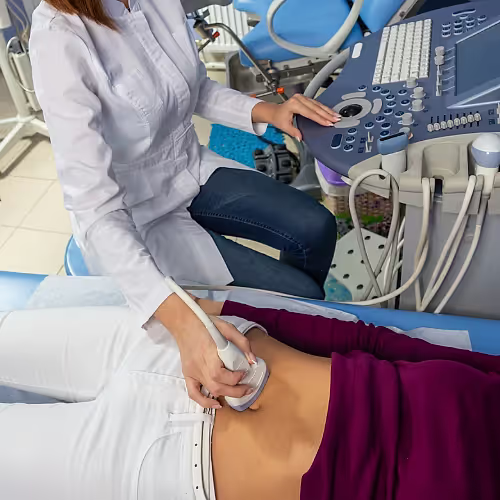

Struggling with unpredictable cycles?
When your menstrual cycle feels out of sync, it can be difficult to plan your daily life. Fluctuating symptoms may leave you searching for answers and support. Consistency in managing these changes is key to feeling more balanced.
Find Balance and Renewed Energy
Targeted support for PCOS.
Many women with PCOS experience fatigue, mood swings, and irregular cycles that can disrupt daily routines. The DRIPBaR offers nutrient-focused IV therapies designed to support hormone balance, metabolic function, and overall wellness. These therapies aim to replenish key nutrients, reduce inflammation, and help regulate energy levels. Regular sessions may help you feel more in control of your symptoms and support your long-term health goals.
At The DRIPBaR Long Island, our team provides a supportive environment where you can explore integrative options for managing PCOS. We tailor each care plan to your unique needs, focusing on gradual improvements and sustainable results. If you are ready to take a proactive step toward better hormonal balance, book your appointment today.
Did you know?
PCOS affects up to 1 in 10 women of reproductive age and is a leading cause of infertility.
Understanding Polycystic Ovary Syndrome
PCOS is a hormonal condition that commonly affects women during their reproductive years. It is marked by irregular menstrual cycles, higher levels of androgens, and small cysts on the ovaries. The underlying mechanisms often involve insulin resistance and hormonal imbalances, which can disrupt ovulation and lead to a variety of symptoms. While the exact cause is not fully understood, both genetic and lifestyle factors are thought to play a role.
Triggers for PCOS symptoms can include stress, weight changes, and dietary habits. Managing PCOS often involves a combination of lifestyle adjustments, such as balanced nutrition, regular exercise, and stress reduction. Medical therapies may be recommended to address specific symptoms or risks. A comprehensive approach that includes monitoring and supportive care can help individuals manage their condition more effectively.
Common Symptoms of PCOS
PCOS symptoms often begin with irregular or missed periods, which can make it difficult to predict cycles. Many women notice increased acne, unwanted hair growth, or scalp hair thinning as hormone levels fluctuate. Weight gain and difficulty losing weight are also common, sometimes accompanied by fatigue and low energy. These symptoms can vary in severity and may change over time.
Some individuals experience mood changes, including anxiety or low mood, especially around the time of their cycle. Skin changes, such as oily skin or dark patches, may also appear. Difficulty conceiving can be a concern for those trying to start a family. Over time, these symptoms can impact confidence and daily routines.
Long-term health risks associated with PCOS include a higher chance of developing type 2 diabetes, metabolic syndrome, and cardiovascular issues. Regular monitoring and early intervention can help reduce these risks. Recognizing patterns in your symptoms can support more effective management and improve overall well-being.
Traditional Treatments
Traditional management of PCOS often starts with lifestyle changes, such as adopting a balanced diet and increasing physical activity. These steps can help improve insulin sensitivity and support weight management, which may reduce some symptoms. Medications may be prescribed to regulate menstrual cycles, lower androgen levels, or address insulin resistance. For those experiencing fertility challenges, additional therapies may be recommended. Ongoing care typically involves regular check-ins with healthcare providers to monitor symptoms and adjust treatment plans as needed. Supportive therapies, such as counseling or group support, can help address emotional and mental health aspects. Complementary approaches, including nutrient-focused therapies, may be considered as part of an integrative care plan. Each individual's treatment path is tailored to their unique needs and health goals.
How IV Therapy May Help
Wondering how IV therapy might fit into your PCOS management plan? At The DRIPBaR, our approach centers on delivering targeted nutrients that may help support hormone metabolism, energy production, and immune balance. Each session is designed with your comfort and safety in mind, and our licensed providers monitor your response to ensure a positive experience. While results can vary, many clients appreciate the convenience and personalized nature of this supportive care. It is important to remember that IV therapy is not a replacement for medical treatment but can complement your existing plan. We encourage open communication with your healthcare team and recommend tracking your symptoms over time. Our goal is to help you feel empowered in your wellness journey by offering options that address both immediate and long-term needs. If you have questions about how this approach might benefit you, our team is here to help.
Nutrient Support for Hormone Balance
Certain nutrient-based therapies can help support hormone metabolism, energy levels, and metabolic function. These offerings are designed to address common concerns such as fatigue, mood swings, and cycle irregularity. Integrative support may help you feel more balanced and resilient.
Alpha Lipoic Acid (ALA)
Alpha Lipoic Acid (ALA) is delivered intravenously to support cellular energy production and antioxidant protection. This therapy enhances mitochondrial efficiency and helps neutralize oxidative stress. It also supports metabolic regulation and nerve health. The infusion is designed for rapid absorption and broad tissue support. Clients seeking to improve vitality and reduce fatigue may benefit from this treatment. It is administered by licensed providers in a professional setting. This approach offers a targeted option for those prioritizing wellness and recovery.
Metabolize
Metabolize is an intravenous infusion designed to enhance metabolic function and energy levels by delivering essential vitamins and minerals directly into the bloodstream. Key ingredients such as Ascorbic Acid, Magnesium, and B-Complex vitamins support fat metabolism, cellular repair, and cognitive focus. This therapy bypasses digestive absorption limits for rapid nutrient delivery. It complements balanced nutrition and exercise to help overcome energy dips and support long-term wellness. Metabolize may aid in reducing fatigue and improving stamina for daily activities. Results vary depending on individual health and lifestyle factors.
Very nice service.. Jen and Angelina are the best.
Great place! Definitely worth it and never have to wait!
The best!
Ready to Get Started?
Feel your best with a treatment designed to support your goals! Whether you’re looking for hydration, energy, immune support, recovery, or overall wellness, our team will help you choose the right option and make sure your experience is comfortable from start to finish. Click the Book Appointment button below to pick your reserve a time that fits your schedule.