
Is your pain holding you back?
Chronic pain disrupts daily routines by causing ongoing discomfort and fatigue. While some find relief with medication, others seek natural approaches to manage symptoms. Recognizing your body’s signals and adjusting your plan can help you respond safely.
Support Your Body’s Natural Recovery
Targeted relief for pain.
Chronic pain can impact every aspect of life, from mobility to mood. The DRIPBaR offers supportive therapies that focus on reducing inflammation, calming nerve sensitivity, and promoting tissue recovery. These approaches use carefully selected nutrients to help ease discomfort and support your body’s natural recovery processes. By addressing underlying factors, you may experience improved comfort and better daily function.
For those in Long Island, a range of wellness options is available to help manage persistent pain and improve quality of life. Regular sessions can be tailored to your needs, whether you’re recovering from injury or managing ongoing discomfort. Professional guidance ensures that each approach is both safe and effective. Book your appointment today to take the next step toward feeling better.
Did you know?
Chronic pain often persists for more than three months and can affect both physical and mental health.
Understanding Chronic Pain Mechanisms
Imagine waking up with persistent aches that linger long after an injury should have healed. Chronic pain is defined as discomfort lasting longer than three months, often continuing without a clear cause. It can affect muscles, joints, nerves, or other tissues, and may fluctuate in intensity. This ongoing pain can disrupt sleep, mood, and daily activities.
Common triggers include injury, inflammation, nerve damage, or autoimmune conditions, but stress and poor sleep can make symptoms worse. Managing chronic pain often involves a combination of therapies and lifestyle changes. Individual responses vary, so it’s important to monitor your symptoms and adjust your plan as needed. Seeking professional guidance can help ensure your approach is both safe and effective.
Common Symptoms of Chronic Pain
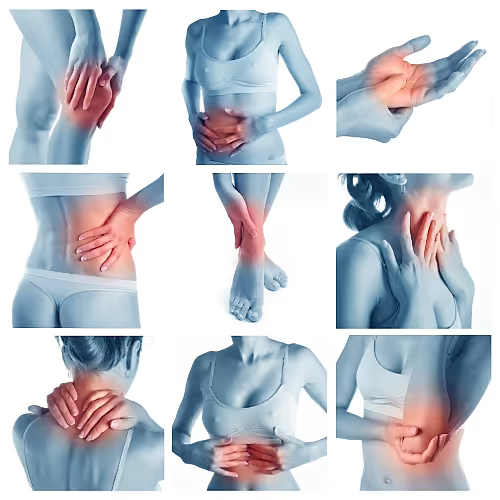
People with chronic pain often experience persistent aches, sharp sensations, or burning discomfort in one or more areas. These symptoms may come and go or remain constant, sometimes intensifying with activity or stress. Fatigue and sleep disturbances are common, making it harder to recover or stay active. Over time, pain can affect mood, leading to frustration or anxiety.
Some individuals notice muscle stiffness, joint swelling, or sensitivity to touch, especially after periods of inactivity. Nerve-related pain may cause tingling, numbness, or shooting sensations. These symptoms can make everyday tasks more difficult and reduce overall mobility. Emotional stress may further amplify the perception of pain.
Chronic pain can also lead to changes in appetite, concentration, or social engagement. People may withdraw from activities they once enjoyed, impacting relationships and quality of life. Recognizing these patterns can help guide adjustments in care and support a more balanced approach to daily living.
Traditional Treatments
Traditional management of chronic pain often includes medications such as anti-inflammatories, muscle relaxants, antidepressants, or nerve pain modulators. Physical therapy, counseling, and lifestyle modifications are also commonly recommended to address both physical and emotional aspects. These approaches aim to reduce discomfort, improve mobility, and support overall function. Some individuals may seek integrative or non-pharmaceutical therapies to complement standard care. Options like nutrient infusions, relaxation techniques, or gentle exercise can help address underlying inflammation and promote tissue recovery. It’s important to work with a healthcare provider to tailor your plan, monitor progress, and adjust strategies as needed for safety and effectiveness.
How IV Therapy May Help
For those living with ongoing pain, targeted nutrient therapies and wellness services can offer additional support. These approaches are designed to address inflammation, ease muscle tension, and support nerve health, all under the supervision of licensed providers. By delivering nutrients directly into the bloodstream, IV therapies can provide faster absorption and more consistent dosing than oral supplements. People managing chronic pain may benefit from a combination of hydration, antioxidants, and relaxation-focused services. Individualized plans can be adjusted based on your needs and response, with regular monitoring to ensure safety. While these therapies are not a replacement for medical treatment, they can complement your overall pain management strategy and help improve daily comfort.
Supportive Approaches for Lasting Relief
Specialized therapies can help reduce inflammation, relax muscles, and promote recovery. These options are designed to support comfort and mobility. Individualized care helps address the unique challenges of chronic pain.
Infrared Sauna
Infrared Sauna therapy offers a unique way to support the body’s natural recovery processes through deep, targeted heat. By gently raising core temperature, it promotes improved circulation and encourages the elimination of toxins. The warmth helps ease muscle tension and supports skin health by enhancing nutrient delivery. Sessions are conducted in a private, comfortable setting with trained staff to ensure a relaxing experience. This therapy can be integrated with other wellness services to enhance overall benefits. Regular use may contribute to improved comfort, relaxation, and metabolic balance. It is suitable for individuals seeking a gentle, effective approach to wellness support.
Read moreSoother
Soother is an IV infusion that delivers key nutrients like magnesium, calcium, and taurine directly into the bloodstream. This approach helps calm the nervous system, reduce muscle tension, and support mental balance. It promotes restful sleep and mental clarity by replenishing essential minerals and amino acids. The infusion is designed for those experiencing stress, muscle tightness, or emotional strain. Regular treatments may improve overall wellness and resilience. It offers a gentle, effective way to support both physical and mental recovery.
Very nice service.. Jen and Angelina are the best.
Great place! Definitely worth it and never have to wait!
The best!
Read more
Ready to Get Started?
Feel your best with a treatment designed to support your goals! Whether you’re looking for hydration, energy, immune support, recovery, or overall wellness, our team will help you choose the right option and make sure your experience is comfortable from start to finish. Click the Book Appointment button below to pick your reserve a time that fits your schedule.