
Struggling to manage recurring headaches?
Many people try various remedies for headaches but still find themselves searching for lasting relief. Over-the-counter medications may not address the root causes or provide consistent comfort. Understanding your triggers and exploring supportive options can make a meaningful difference.
Find Relief and Restore Balance
Personalized support options.
Many individuals living with headaches and migraines seek solutions that go beyond temporary fixes, aiming for lasting comfort and improved daily function. The DRIPBaR offers a range of supportive therapies designed to address underlying factors such as hydration, nutrient balance, and stress. By focusing on replenishing key vitamins and minerals, these services help promote neurological stability and reduce the frequency of symptoms. Clients can experience a tailored approach that supports both acute relief and long-term prevention.
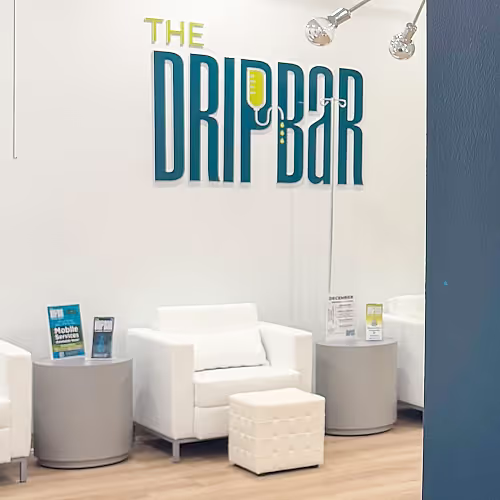
For those in Long Island, expert staff at The DRIPBaR Long Island guide each client through a personalized wellness plan. Sessions are conducted in a relaxing environment, with careful attention to individual needs and comfort. This approach helps clients manage triggers, recover from flare-ups, and maintain a proactive strategy for headache prevention. Book your appointment today to take the next step toward relief.
Did you know?
Migraines can be triggered by dehydration, stress, hormonal changes, or even environmental factors.
Understanding Headaches & Migraines
Imagine waking up with a pounding head or sudden sensitivity to light, these are common experiences for those with headaches and migraines. These neurological conditions can range from mild discomfort to severe pain, sometimes accompanied by nausea or visual changes. Migraines often last longer and may include additional symptoms like vomiting or sensitivity to sound. Both headaches and migraines can significantly impact daily activities and overall well-being.
Triggers for these conditions include stress, dehydration, hormonal shifts, poor sleep, and certain foods. Managing headaches and migraines involves identifying personal triggers and using a combination of lifestyle adjustments and supportive therapies. Staying hydrated, maintaining a balanced diet, and practicing stress management can help reduce the frequency and severity of episodes. Early intervention and a proactive approach are key to minimizing disruption and improving quality of life.
Common Symptoms of Headaches
What are the most common symptoms of headaches and migraines? Headaches typically present as a dull or throbbing pain on one or both sides of the head. Migraines often bring more intense pain, sometimes accompanied by nausea, vomiting, or sensitivity to light and sound. Some individuals experience visual disturbances, known as auras, before a migraine begins.
Symptoms can vary from person to person and may change over time. While some people have occasional mild headaches, others face frequent or chronic episodes that disrupt daily routines. Fatigue, irritability, and difficulty concentrating are also common, especially after a severe migraine. It’s important to track patterns and triggers to better understand each individual’s experience.
Physical tension in the neck and shoulders, hormonal fluctuations, and environmental changes can all contribute to symptom onset. Dehydration and poor sleep may worsen the intensity or frequency of headaches. Recognizing these patterns allows for more effective management and helps guide choices about supportive care. If symptoms persist or worsen, seeking guidance from a healthcare provider is recommended.
Traditional Treatments
Traditional care for headaches and migraines often includes over-the-counter pain relievers, prescription medications, and lifestyle modifications. Triptans, anti-nausea drugs, and preventive therapies like beta-blockers are commonly used for more severe or frequent episodes. These approaches aim to reduce pain, manage associated symptoms, and help avoid future attacks. Non-pharmacological strategies such as stress reduction, regular sleep, hydration, and dietary adjustments can also play a significant role in managing symptoms. Many individuals benefit from combining medical treatments with supportive therapies that address underlying triggers. Tracking symptoms and working with a healthcare provider helps ensure a safe and effective plan. The goal is to find a balanced approach that minimizes disruption and supports overall well-being.
How IV Therapy May Help
How can targeted therapies support those struggling with headaches and migraines? The DRIPBaR’s services focus on replenishing hydration, restoring nutrient balance, and promoting relaxation to help stabilize neurological function. By delivering key vitamins and minerals directly into the bloodstream, these therapies can address deficiencies that may contribute to symptom frequency and intensity. The approach is designed to complement traditional care and provide additional support for those seeking relief. Clients benefit from a comfortable, supervised environment where each session is tailored to their needs. The DRIPBaR emphasizes safety, personalized attention, and ongoing education to empower individuals in managing their condition. While results may vary, many find that integrating these therapies into their wellness routine helps reduce discomfort and improve daily function. This holistic strategy supports both immediate relief and long-term prevention.
Supportive Options for Headache Relief
A variety of wellness services are available to help ease discomfort and support neurological balance. These options focus on relaxation, hydration, and nutrient replenishment. Personalized care can help address the underlying factors that contribute to headaches and migraines.
Infrared Sauna
Infrared Sauna therapy offers a unique way to support the body’s natural recovery processes through deep, targeted heat. By gently raising core temperature, it promotes improved circulation and encourages the elimination of toxins. The warmth helps ease muscle tension and supports skin health by enhancing nutrient delivery. Sessions are conducted in a private, comfortable setting with trained staff to ensure a relaxing experience. This therapy can be integrated with other wellness services to enhance overall benefits. Regular use may contribute to improved comfort, relaxation, and metabolic balance. It is suitable for individuals seeking a gentle, effective approach to wellness support.
Read moreSoother
Soother is an IV infusion that delivers key nutrients like magnesium, calcium, and taurine directly into the bloodstream. This approach helps calm the nervous system, reduce muscle tension, and support mental balance. It promotes restful sleep and mental clarity by replenishing essential minerals and amino acids. The infusion is designed for those experiencing stress, muscle tightness, or emotional strain. Regular treatments may improve overall wellness and resilience. It offers a gentle, effective way to support both physical and mental recovery.
Very nice service.. Jen and Angelina are the best.
Great place! Definitely worth it and never have to wait!
The best!
Read more
Ready to Get Started?
Feel your best with a treatment designed to support your goals! Whether you’re looking for hydration, energy, immune support, recovery, or overall wellness, our team will help you choose the right option and make sure your experience is comfortable from start to finish. Click the Book Appointment button below to pick your reserve a time that fits your schedule.
What should I do if I experience sudden changes in headaches & migraines?
If you notice a sudden change in your headache or migraine pattern, it’s important to monitor your symptoms closely. Seek medical attention if you experience severe pain, vision changes, or neurological symptoms. Keeping a symptom diary can help identify new triggers or patterns. Timely intervention can support better outcomes and peace of mind.
How can I adapt my fitness goals to work with Headaches & Migraines?
Adapting fitness goals may involve choosing low-impact activities and listening to your body’s signals. Staying hydrated and avoiding known triggers may help you avoid symptom flare-ups during exercise. Gradual progression and flexibility in your routine are important. Consulting with a healthcare provider ensures your fitness plan supports your overall wellness.
What simple at-home practices complement Headaches & Migraines care?
Simple at-home practices include staying hydrated, managing stress, and maintaining a regular sleep schedule. Gentle stretching and relaxation techniques may also help. Tracking symptoms and avoiding known triggers can support better outcomes. These habits work well alongside professional therapies.