
Struggling with post-viral fatigue?
Many people find themselves exhausted long after the initial infection has passed. Lingering fatigue and weakness can disrupt daily routines and slow your return to normal activities. It’s important to understand your options for safe, effective support.
Restore Energy and Support Immune Balance
Targeted recovery support.
The DRIPBaR helps address lingering symptoms of mononucleosis recovery by providing targeted IV nutrient support. Our approach focuses on replenishing hydration, restoring essential vitamins and minerals, and supporting immune function to help you regain strength. Carefully selected nutrients may help reduce inflammation, ease muscle soreness, and improve overall well-being. Many clients notice improved stamina and mental clarity as they progress through their recovery.
At The DRIPBaR Long Island, our team tailors each session to your unique needs, ensuring you receive the right support at the right time. We prioritize your comfort and safety throughout the process. If you’re ready to take the next step in your recovery, book your appointment today.
Did you know?
Some people experience fatigue and low energy for months after mononucleosis, even after other symptoms resolve.
Understanding Mononucleosis Recovery
Mononucleosis recovery is the period following infection with the Epstein-Barr virus, marked by ongoing fatigue, weakness, and immune changes. The body works to repair tissues, restore immune balance, and replenish nutrients lost during the acute illness. Key nutrients like vitamin C, magnesium, and zinc play important roles in supporting immune function and tissue repair. Recovery times vary, and some individuals may need extra support to regain their usual energy levels.
Common triggers for prolonged recovery include dehydration, insufficient rest, and ongoing inflammation. Managing these factors with hydration, balanced nutrition, and gentle activity can help support the recovery process. It’s important to listen to your body and avoid pushing too hard during this time. Responsible care includes monitoring symptoms and seeking guidance if new or worsening issues arise.
Common Symptoms of Mononucleosis
After the initial phase of mononucleosis, many people notice persistent tiredness that can last for weeks or even months. This fatigue often makes it difficult to return to school, work, or sports at full capacity. Some individuals also experience brain fog, making concentration and memory more challenging. These symptoms may fluctuate from day to day, adding to frustration during recovery.
Other common symptoms include sore throat, swollen lymph nodes, and occasional low-grade fever. Muscle aches and joint discomfort can linger, especially after physical activity. Some people report poor sleep quality, which can further slow their progress. It’s not unusual for appetite and mood to be affected as well.
Monitoring your symptoms and noting any changes is important for tracking recovery. If you notice new or worsening issues, such as severe abdominal pain or difficulty breathing, seek medical attention promptly. Most people gradually improve with rest and supportive care, but patience is key as the body recovers.
Traditional Treatments
Traditional care for mononucleosis recovery centers on rest, hydration, and symptom management. Over-the-counter pain relievers and throat lozenges may help ease discomfort, while fluids and balanced meals support overall recovery. There is no specific antiviral medication for mononucleosis, so most people rely on their body’s natural recovery process. Licensed providers may recommend avoiding strenuous activity and contact sports until energy levels and spleen size return to normal. Some individuals benefit from additional support, such as targeted nutrient therapy or gentle exercise as tolerated. Monitoring for complications, like secondary infections or persistent symptoms, is an important part of follow-up care. Recovery timelines vary, and it’s normal for progress to be gradual. Working with healthcare professionals can help ensure a safe and effective return to regular activities.
How IV Therapy May Help
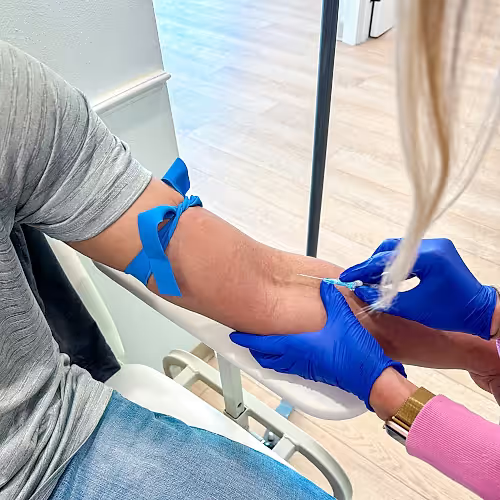
The DRIPBaR offers IV therapy options designed to support your body’s recovery after viral illness. By delivering hydration and targeted nutrients directly into the bloodstream, these therapies may help replenish what’s lost during illness and support immune balance. Supervised sessions allow for controlled dosing and careful monitoring, providing a safe environment for your recovery journey. Many clients find that this approach helps reduce fatigue and supports overall well-being. Our services are tailored to your unique needs, with flexibility to adjust as your symptoms change. The combination of hydration, vitamins, and antioxidants is selected based on current evidence and your personal goals. While IV therapy is not a cure, it can be a valuable part of a broader recovery plan. Regular check-ins help track your progress and ensure you’re getting the most benefit from your sessions.
Supportive IV Therapies for Recovery
Specialized IV therapies can help restore hydration, deliver antioxidants, and support immune function during recovery. These offerings are tailored to address lingering fatigue and promote tissue repair. Each session is designed to complement your body’s natural recovery process.
Flu Fighter
Flu Fighter is an intravenous therapy designed to deliver essential vitamins and minerals such as Vitamin C, Magnesium, and Zinc directly into the bloodstream. This method bypasses digestive absorption limits, allowing for rapid nutrient replenishment. The infusion supports immune system function, reduces inflammation, and helps the body recover more efficiently from physical stress. It also promotes hydration and energy restoration, which can improve mental clarity and reduce fatigue. This therapy is suitable for adults seeking proactive wellness support during or after periods of illness or stress. It complements a balanced health routine and may enhance overall resilience.
Read moreShield
Shield offers targeted nutrient support through intravenous infusion to enhance immune function and antioxidant defense. Key ingredients like Ascorbic Acid, Magnesium, and Zinc help reduce oxidative stress and promote cellular repair. This therapy supports energy renewal and inflammation balance, aiding recovery from fatigue and stress. It is suitable for individuals seeking proactive wellness and immune resilience. Responses vary, and treatments should be part of a comprehensive health plan.
Read moreVitality
Vitality is designed to replenish key nutrients that support energy production, muscle recovery, and cognitive function. It delivers hydration and metabolic cofactors directly into the bloodstream for rapid absorption. This infusion may help reduce fatigue and improve stamina during daily activities. It supports circulatory health and immune resilience. Many clients use it to enhance physical endurance and mental focus. The treatment is tailored to individual wellness goals. It offers a comprehensive approach to restoring vitality and balance.
Very nice service.. Jen and Angelina are the best.
Great place! Definitely worth it and never have to wait!
The best!
Read more
Ready to Get Started?
Feel your best with a treatment designed to support your goals! Whether you’re looking for hydration, energy, immune support, recovery, or overall wellness, our team will help you choose the right option and make sure your experience is comfortable from start to finish. Click the Book Appointment button below to pick your reserve a time that fits your schedule.