
Struggling to stay focused daily?
Difficulty with focus often stems from imbalances in brain chemistry, making it hard to manage daily responsibilities. This can lead to frustration, missed deadlines, and feeling overwhelmed. Many adults seek ways to improve attention and mental clarity without relying solely on medication.
Support Focus and Mental Clarity Naturally
Enhance cognitive performance.
IV nutrient therapy can help adults manage ADHD symptoms by delivering essential vitamins and minerals directly to the bloodstream, supporting neurotransmitter balance and mental clarity. This approach may reduce brain fog, boost energy, and promote better focus without relying solely on traditional medications. Many adults find that targeted nutrient support helps them feel more alert and able to manage daily tasks. The DRIPBaR’s therapies are designed to complement your current care plan for a holistic approach.
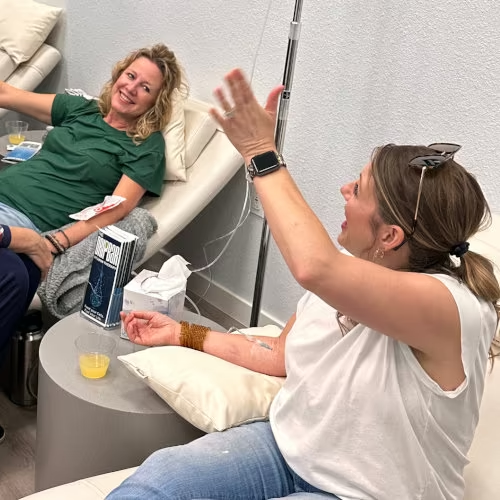
At The DRIPBaR Long Island, clients can access IV therapies tailored to support cognitive function and mental balance. Our team works with you to identify the best options for your needs and lifestyle. Sessions are comfortable and supervised, with a focus on safety and individualized care. Book your appointment today to explore how IV nutrient therapy can support your focus and well-being.
Did you know?
Many adults with ADHD remain undiagnosed for years, often managing symptoms without realizing the underlying cause.
Understanding ADHD in Adults
ADHD Support (in Adults) refers to strategies and therapies aimed at helping adults manage symptoms like inattention, impulsivity, and restlessness. The condition is linked to neurotransmitter imbalances, particularly dopamine and norepinephrine, which affect focus and executive function. Many adults experience challenges with organization, time management, and emotional regulation. These symptoms can impact work, relationships, and daily routines.
Common triggers include chronic stress, poor sleep, and nutritional deficiencies, which may worsen symptoms. Responsible management often involves a combination of medication, behavioral strategies, and lifestyle adjustments. Holistic approaches, such as nutrient support, can complement traditional care. Seeking guidance from healthcare professionals ensures a safe and effective plan tailored to individual needs.
Common Symptoms of ADHD
When adults experience ADHD, they may notice persistent difficulty staying focused on tasks or conversations. This often leads to frequent distractions, unfinished projects, and trouble following through on commitments. Many also report feeling mentally fatigued, especially during periods of high demand. These patterns can make it challenging to meet work or personal goals.
Impulsivity is another common symptom, showing up as hasty decisions or interrupting others in conversation. Adults may struggle with restlessness, feeling the need to move or fidget, even in quiet settings. Disorganization and poor time management often result in missed deadlines or forgotten appointments. These symptoms can contribute to chronic stress and frustration.
Mood instability and low frustration tolerance are frequently reported by adults with ADHD. Procrastination and difficulty prioritizing tasks can lead to a cycle of anxiety and overwhelm. Some individuals experience brain fog, making it hard to process information quickly. Recognizing these patterns is the first step toward finding effective support.
Traditional Treatments
Traditional care for ADHD in adults typically involves stimulant or non-stimulant medications, which help regulate neurotransmitter activity in the brain. Behavioral therapy and coaching are often recommended to develop organizational skills, improve time management, and address emotional challenges. Many adults benefit from practical strategies such as using reminders, breaking tasks into smaller steps, and establishing routines. Lifestyle modifications, including regular exercise, healthy sleep habits, and balanced nutrition, can also play a key role in managing symptoms. Some individuals explore complementary therapies, like mindfulness or nutrient-based support, to enhance overall well-being. It is important to work with healthcare professionals to tailor a plan that fits individual needs. Ongoing support and regular check-ins help ensure the chosen approach remains effective over time.
How IV Therapy May Help
IV therapy at The DRIPBaR delivers targeted nutrients, such as vitamins, minerals, and antioxidants, directly into the bloodstream for optimal absorption. This approach supports neurotransmitter balance, reduces oxidative stress, and helps restore mental energy, which may benefit adults managing ADHD symptoms. By bypassing the digestive system, IV therapy allows for more efficient nutrient delivery and can be tailored to individual needs. Sessions are supervised by licensed providers, ensuring a safe and comfortable experience. Our therapies are designed to complement existing ADHD management plans, offering an additional layer of support for focus and cognitive clarity. The controlled dosing and personalized care help address nutrient deficiencies that may contribute to symptoms. Many clients appreciate the holistic approach, which considers both physical and mental well-being. Regular sessions can support ongoing energy, mood stability, and resilience in daily life.
Nutrient-Based Support for Focus
Certain IV therapies deliver vitamins, minerals, and antioxidants that help support mental clarity and attention. These offerings are designed to complement existing ADHD management strategies. Many adults find that targeted nutrient support can enhance focus and cognitive performance.
NAD+
Nicotinamide Adenine Dinucleotide (NAD) is a coenzyme essential for energy production and cellular repair. This IV therapy replenishes NAD+ levels to enhance mitochondrial function and support neurological health. It promotes DNA repair and helps reduce oxidative stress. The infusion bypasses digestive barriers for efficient absorption. Regular treatments may support sustained energy and cognitive clarity. This therapy is suitable for individuals seeking to improve overall vitality and resilience. It offers a medically supervised approach to proactive wellness.
Very nice service.. Jen and Angelina are the best.
Great place! Definitely worth it and never have to wait!
The best!
Ready to Get Started?
Feel your best with a treatment designed to support your goals! Whether you’re looking for hydration, energy, immune support, recovery, or overall wellness, our team will help you choose the right option and make sure your experience is comfortable from start to finish. Click the Book Appointment button below to pick your reserve a time that fits your schedule.