
Are flare-ups disrupting your routine?
When a gout flare strikes, daily activities can become challenging. Symptoms may come and go, making it hard to predict when discomfort will return. Individual experiences vary, so steady management and professional guidance are important.
Find Relief and Restore Joint Comfort
Support for joint wellness.
Managing gout involves more than just addressing pain during flare-ups. The DRIPBaR offers supportive therapies that focus on reducing inflammation, promoting joint comfort, and encouraging recovery between episodes. Consistent care can help maintain mobility and ease discomfort, especially for those with recurring symptoms. Our approach emphasizes hydration, nutrient support, and gentle recovery strategies tailored to your needs.
At The DRIPBaR McKinney, clients benefit from a holistic plan that includes targeted wellness services and lifestyle guidance. Our team works with you to support your body’s natural recovery processes and help manage the impact of gout on daily life. By integrating hydration and nutrient delivery, we aim to reduce the frequency and intensity of flare-ups. Book your appointment today to take the next step toward improved joint health.
Did you know?
Gout most often affects men over 40 and postmenopausal women, but it can impact anyone with certain risk factors.
Understanding gout and its effects
What causes the sudden pain and swelling of gout? Gout develops when excess uric acid in the blood forms sharp crystals in the joints, triggering intense inflammation and discomfort. This process can lead to redness, warmth, and limited movement, most commonly in the big toe but also in other joints. The buildup of uric acid may result from dietary choices, genetics, or kidney function.
Common triggers include foods high in purines, dehydration, obesity, and certain medications. Managing gout involves addressing these risk factors and supporting the body’s natural ability to process uric acid. Regular hydration, balanced nutrition, and consistent wellness routines can help reduce the frequency of flare-ups. Early attention to symptoms and lifestyle adjustments are key to long-term joint health.
Common Symptoms of Gout
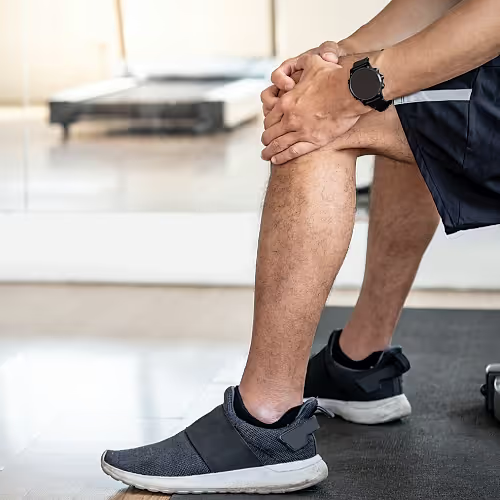
Gout often presents as sudden, severe pain in a joint, frequently the big toe, but it can also affect ankles, knees, wrists, or fingers. Swelling, redness, and warmth typically accompany the pain, making movement difficult during an attack. These episodes may last for several days and can recur over time, sometimes with increasing frequency. Some individuals notice a lingering ache or stiffness even after the acute phase subsides.
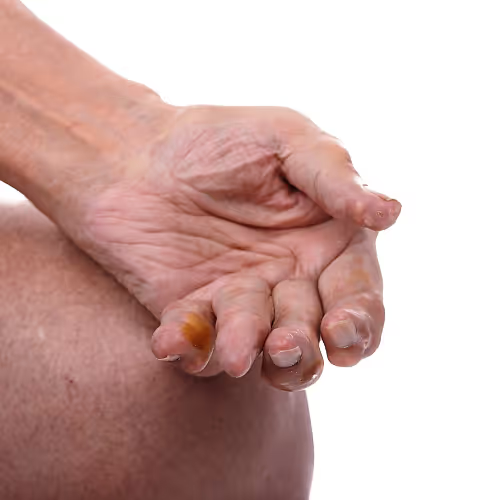
Between flare-ups, joints may feel normal, but some people experience ongoing discomfort or reduced mobility. Chronic gout can lead to persistent inflammation, joint deformities, or the development of hard urate deposits under the skin. Kidney stones may also occur in those with elevated uric acid levels. The pattern and severity of symptoms can vary widely from person to person.
Recognizing early warning signs, such as tingling or mild discomfort in a joint, can help with timely management. Monitoring triggers like diet, hydration, and stress is important for reducing the risk of future attacks. Seeking support for ongoing symptoms may improve quality of life and help maintain joint function. Consistent care and attention to wellness play a vital role in managing the condition.
Traditional Treatments
Traditional gout treatment focuses on relieving pain and reducing inflammation during acute flare-ups. Common medications include nonsteroidal anti-inflammatory drugs (NSAIDs), corticosteroids, or colchicine, which are prescribed based on individual needs and health status. Long-term management may involve medications that lower uric acid levels, such as allopurinol or febuxostat, to help avoid future attacks and complications. These approaches are often combined with lifestyle changes, including increased hydration, weight management, and dietary adjustments. Regular follow-up with a healthcare provider helps monitor uric acid levels and adjust treatment as needed. Addressing underlying risk factors, such as high-purine diets or kidney impairment, is important for reducing the likelihood of recurrent episodes. Supportive therapies, like gentle movement and hydration, can aid recovery between flares. A consistent, individualized plan is key to minimizing symptoms and protecting joint health over time.
How IV Therapy May Help
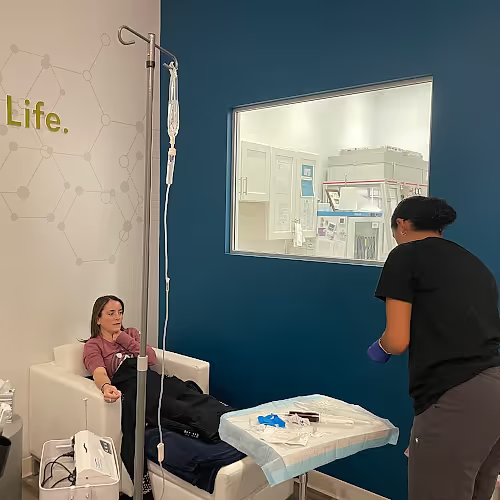
How can supportive therapies make a difference for those managing joint discomfort? At The DRIPBaR, our services focus on delivering targeted hydration and nutrients to help reduce inflammation and support tissue recovery. By combining gentle recovery strategies with consistent care, clients may experience improved joint comfort and mobility. Our approach includes a stepwise process: initial assessment, personalized wellness planning, and ongoing support. These therapies are designed to complement traditional care, offering an additional layer of comfort during recovery. While individual results vary, many find that regular sessions help ease symptoms and promote overall well-being. Our team is here to guide you through each step, helping you feel more confident in your wellness journey.
Supportive Approaches for Joint Recovery
Certain wellness offerings can help reduce inflammation, ease joint stiffness, and support natural detoxification. These approaches focus on comfort and recovery between flare-ups. Regular sessions may promote better mobility and overall joint health.
Soother
Soother offers a restorative IV infusion that delivers key nutrients like Magnesium, Vitamin C, and B vitamins directly into the bloodstream. This approach supports muscle relaxation, mental balance, and improved sleep quality. It helps replenish nutrients that reduce mental fatigue and promote clarity. The infusion is suitable for adults seeking non-sedating support for stress and tension. Individual responses vary, and it is best used as part of a comprehensive wellness plan. This treatment provides a gentle way to support overall nervous system health and physical recovery.
Awesome healthy products and great service!
My experience with them was Awesome and convenient. The staff is so friendly.
The ladies are super friendly!!
Absolutely amazing experience! Lindsey was very helpful and got us prepped for our upcoming trip!
The place is great! They very helpful and listen to your needs. Great customer service.
Ready to Get Started?
Feel your best with a treatment designed to support your goals! Whether you’re looking for hydration, energy, immune support, recovery, or overall wellness, our team will help you choose the right option and make sure your experience is comfortable from start to finish. Click the Book Appointment button below to pick your reserve a time that fits your schedule.
This web site is for educational purposes only. It is not intended as a substitute for the diagnosis, treatment and advice of a qualified licensed professional. This site offers people health information and informs them about some of their options, but in no way should anyone consider that this site represents the “practice of medicine.” This site assumes no responsibility for how this material is used. Also note that this website frequently updates its contents, due to a variety of reasons.
At The DRIPBaR McKinney, your well-being is our top priority. Our Medical Director, Ami Thakkar (License No: K8519, TX), leads our licensed providers with expert guidance. While Ami Thakkar doesn’t see clients on-site, they work closely with our licensed medical professionals, ensuring you receive safe, high-quality, and personalized care during every visit. You’re in trusted hands with a team dedicated to helping you feel your best.
- Terms of Use
- Privacy Policy
- Accessibility
- Sitemap
- (972) 895-8566
- Text Us
- Book Appointment
- Get Directions
- Message Us
- Current Promos
- (972) 895-8566
- Text Us
- Book Appointment
- Get Directions
- Message Us
- Current Promos