
Struggling to regain strength quickly?
After surgery, many people find it difficult to bounce back as fast as they hope. Fatigue and discomfort can linger, making daily routines feel overwhelming. Finding ways to support your body’s natural recovery process is important for a smoother recovery.
Support Recovery and Restore Vitality
Personalized recovery support.
Recovering from surgery can be challenging, but targeted support may help your body recover more efficiently. The DRIPBaR offers options that focus on replenishing nutrients, managing inflammation, and supporting immune function. These services are designed to help reduce downtime and promote a more comfortable recovery experience. By addressing hydration and nutrient needs, you may notice improved energy and resilience during the recovery process.
Our team at The DRIPBaR McKinney provides a supportive environment for your post-surgery recovery journey. We tailor our approach to your individual needs, helping you regain strength and confidence after your procedure. If you want to feel your best as you recover, book an appointment today to explore your options.
Did you know?
Proper hydration and nutrient balance can significantly influence the speed and quality of post-surgery recovery.
Understanding Post-Surgery Recovery
Post-surgery recovery is the period when your body works to recover and restore normal function after a procedure. This phase involves tissue repair, managing inflammation, replenishing fluids, and supporting immune activity. How quickly you recover depends on the type of surgery, your overall health, and how well your body receives the care it needs. Each person’s experience is unique, and recovery times can range from days to months.
Common triggers for a slower recovery include dehydration, poor nutrition, and unmanaged inflammation. Paying attention to rest, wound care, and balanced nutrition can help support the recovery process. It’s important to recognize your body’s signals and seek support when needed. Responsible management includes following your provider’s instructions and considering additional supportive therapies if appropriate.
Common Symptoms of Slow Recovery
Fatigue is a common concern after surgery, often making it hard to resume normal activities. Many people also experience muscle weakness and low energy, which can persist for several days or weeks. Swelling and discomfort around the surgical site are typical, sometimes accompanied by stiffness or reduced mobility. Nausea and changes in appetite may also occur, especially in the early stages of recovery.
Some individuals notice increased sensitivity to pain or find it difficult to sleep well during the recovery process. Emotional changes, such as mood swings or frustration, are not unusual as the body adjusts. Inflammation and mild fever can signal the body’s natural response to recovery, but persistent symptoms should be monitored. It’s important to watch for signs of infection, such as redness, warmth, or unusual drainage from the wound.
Slow wound repair or lingering fatigue may indicate the need for additional support. Difficulty regaining strength or persistent swelling can affect daily routines and overall well-being. If symptoms do not improve or worsen, it’s essential to consult your healthcare provider. Early attention to these patterns may help you avoid complications and promote a smoother recovery.
Traditional Treatments
Standard post-surgery recovery care typically includes rest, wound care, prescribed medications, and physical therapy. These approaches help manage pain, reduce inflammation, and support the body’s natural recovery processes. Nutrition and hydration are also emphasized to provide the building blocks needed for tissue repair. Licensed providers may recommend gentle movement or specific exercises to restore mobility and help avoid stiffness. Additional strategies may involve monitoring for infection, managing swelling, and supporting mental well-being. Some people benefit from integrative therapies that complement traditional care, such as targeted nutrient support or gentle light-based treatments. It’s important to follow your provider’s instructions and attend follow-up appointments. Combining these approaches can help support recovery and reduce the risk of complications.
How IV Therapy May Help
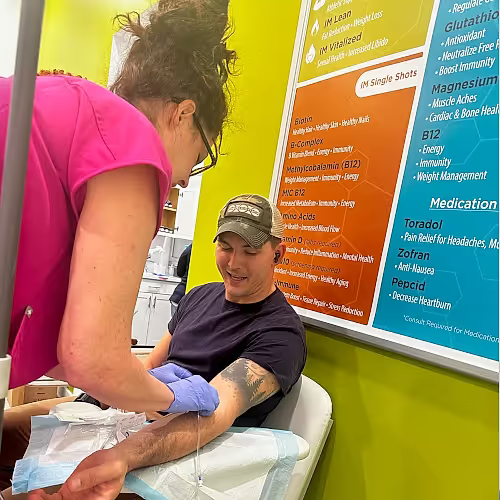
IV therapy delivers hydration and essential nutrients directly into the bloodstream, supporting the body’s recovery needs after surgery. This approach can help replenish fluids, restore energy, and provide antioxidants that aid tissue repair and immune function. By bypassing the digestive system, nutrients are available for immediate use, which may be especially helpful for those with reduced appetite or difficulty taking oral supplements. Supervised sessions ensure that dosing and ingredient selection are tailored to your unique situation. In addition to IV therapy, supportive services like light-based treatments and oxygen therapy can further support recovery and comfort. These options are designed to reduce inflammation, improve circulation, and support cellular repair. The DRIPBaR’s team works with you to create a recovery plan that aligns with your goals and needs. Together, these therapies offer a balanced approach to help you regain strength and confidence after surgery.
Supportive Options for Recovery Needs
A range of wellness services can help address hydration, nutrient balance, and tissue repair after surgery. These offerings are designed to support your body’s natural recovery process. Personalized care helps you recover with greater comfort and resilience.
Pre/Post-Op
Pre/Post-Op is designed to support the body’s needs before and after surgery by delivering essential nutrients directly into the bloodstream. Key ingredients such as Ascorbic Acid, Magnesium, and Zinc promote tissue repair, immune resilience, and energy balance. This therapy helps reduce oxidative stress and supports recovery. It is suitable for individuals with increased nutritional demands during recovery. The infusion is administered by licensed providers to ensure safety and personalized care. Regular treatments can improve overall wellness and reduce downtime. This approach offers a comprehensive way to enhance surgical recovery.
Read moreRed Light Therapy
The DRIPBaR McKinney offers powerful, full-body Red Light Therapy delivered from head to toe in just 15 minutes. Using red and near-infrared light, this non-invasive treatment supports cellular energy, tissue repair, circulation, and collagen production. Many guests use it to reduce inflammation, improve muscle recovery, and ease chronic aches and pains. It may also support post-surgery recovery, weight loss and cellulite reduction, diabetic neuropathy discomfort, and overall mood and sleep optimization. Sessions are relaxing, require no downtime, and are easy to repeat consistently. It is a simple, effective way to support your body’s natural repair and daily well-being.
Awesome healthy products and great service!
My experience with them was Awesome and convenient. The staff is so friendly.
The ladies are super friendly!!
Absolutely amazing experience! Lindsey was very helpful and got us prepped for our upcoming trip!
The place is great! They very helpful and listen to your needs. Great customer service.
Read more
Ready to Get Started?
Feel your best with a treatment designed to support your goals! Whether you’re looking for hydration, energy, immune support, recovery, or overall wellness, our team will help you choose the right option and make sure your experience is comfortable from start to finish. Click the Book Appointment button below to pick your reserve a time that fits your schedule.
This web site is for educational purposes only. It is not intended as a substitute for the diagnosis, treatment and advice of a qualified licensed professional. This site offers people health information and informs them about some of their options, but in no way should anyone consider that this site represents the “practice of medicine.” This site assumes no responsibility for how this material is used. Also note that this website frequently updates its contents, due to a variety of reasons.
At The DRIPBaR McKinney, your well-being is our top priority. Our Medical Director, Ami Thakkar (License No: K8519, TX), leads our licensed providers with expert guidance. While Ami Thakkar doesn’t see clients on-site, they work closely with our licensed medical professionals, ensuring you receive safe, high-quality, and personalized care during every visit. You’re in trusted hands with a team dedicated to helping you feel your best.
- Terms of Use
- Privacy Policy
- Accessibility
- Sitemap
- (972) 895-8566
- Text Us
- Book Appointment
- Get Directions
- Message Us
- Current Promos
- (972) 895-8566
- Text Us
- Book Appointment
- Get Directions
- Message Us
- Current Promos