
If you live in Heritage Bay, FL, you may have noticed how a short drive can make a big difference in accessing specialized wellness care. Many clients from this area visit us to explore how pelvic floor dysfunction and bladder symptoms are connected. The journey toward comfort often starts with understanding the role of muscle tension and daily habits. By addressing both, you can support your urgency and frequency wellness goals.
Pelvic floor physical therapy explained
Pelvic floor physical therapy is a specialized approach that targets muscle coordination, relaxation, and comfort. It is not just about strengthening; it focuses on teaching muscles to relax and work together. This therapy can help reduce urgency and frequency for many people.
Pelvic floor relaxation exercises overview
Relaxation exercises teach you to identify and release pelvic floor tension. These skills can be practiced in different positions, such as lying down or sitting. Over time, they help reduce false urgency signals and improve comfort.
Breathing retraining is often paired with pelvic floor relaxation. Diaphragmatic breathing encourages the pelvic floor to move and relax naturally. This combination can help lower baseline muscle tension and support bladder wellness.
Urgency skills
Urge suppression techniques are practical tools for managing sudden urges. These include pausing, using long exhale breathing, and gently relaxing the pelvic floor instead of rushing to the bathroom. Practicing these skills in safe situations builds confidence over time. Consistency is more important than intensity. With regular practice, many people notice fewer urgent episodes and more control.
Bladder retraining is another key part of therapy. It involves gradually increasing the time between bathroom visits using urge suppression and relaxation skills. This helps retrain the bladder and nervous system to tolerate normal filling. Over weeks, small changes can add up to better sleep and less daily disruption.
Common pelvic floor findings in IC
People with interstitial cystitis often show signs of pelvic floor muscle overactivity, tenderness, or difficulty relaxing. Increased resting tone and trigger points are common findings during assessment. Many also have trouble lengthening the pelvic floor during inhalation, which can contribute to ongoing discomfort. Hip tightness and abdominal wall tension may also play a role. These patterns reinforce the symptom loop and make urgency harder to manage. Recognizing pelvic floor dysfunction as part of the picture helps guide more effective wellness strategies. Addressing pelvic floor issues is a key step for those with pelvic floor dysfunction.
A pelvic floor physical therapy evaluation usually starts with a detailed symptom history and review of bladder habits. Therapists assess posture, movement, and muscle tension both externally and, if appropriate, internally. Consent and comfort guide each step of the process. Outcome tracking focuses on changes in urgency, frequency, and daily function. The goal is to build a plan that fits your needs and supports gradual progress.
Manual therapy and myofascial techniques are often used to reduce muscle guarding and tenderness. These may include gentle soft tissue work on the pelvic floor, hips, and abdomen. The aim is to decrease pain and improve tissue mobility. Relaxation training and breathing exercises are central to most home programs. Therapists also help with urge suppression, bladder retraining, and movement modifications. Each plan is tailored to the individual’s symptoms and goals.
Pelvic floor physical therapy benefits
Pelvic floor physical therapy can help reduce false urgency signals and improve bladder comfort. Downtraining overactive muscles often leads to fewer urgent episodes and longer intervals between voids. Manual therapy can decrease pain-driven urgency spikes. Urge suppression skills and bladder retraining support better control. Improved coordination makes it easier to fully relax during urination. Many people notice better sleep and more confidence in daily activities.
Progress with pelvic floor therapy is often gradual, with small wins adding up over time. Fewer severe urgency spikes and longer intervals between voids are common early changes. Improved awareness of muscle clenching and the ability to release tension can make a big difference. Many people find that their sleep improves as nighttime awakenings decrease. Reduced pelvic pressure and burning are also frequent benefits. Confidence in leaving the house and participating in activities grows as symptoms become more manageable. The focus is on building skills and capacity for lasting wellness.
- Muscle overactivity: Many people with IC have increased pelvic floor tone.
- Tender trigger points: Sensitive spots are often found in pelvic muscles.
- Difficulty relaxing: Trouble lengthening muscles during inhalation is common.
- Hip tightness: Deep hip rotators may be restricted.
- Abdominal tension: The abdominal wall can show tightness or trigger points.
- Breath holding: Some people hold their breath or brace their belly.
- Constipation patterns: Bowel habits can increase pelvic pressure.
- Scar tissue sensitivity: Postpartum or surgical scars may be tender.
Pelvic floor therapy for urinary urgency
Pelvic floor therapy for urinary urgency focuses on downtraining overactive muscles and teaching urge suppression skills. Therapists guide clients through relaxation exercises and timed voiding plans. The aim is to reduce the frequency and intensity of urgent episodes. Breathing retraining and gentle movement are often included. This approach helps break the cycle of frequent bathroom trips. Over time, many people notice improved control and less disruption to daily life. Consistency and patience are key to progress.
Urinary frequency can also be addressed with pelvic floor therapy. Gradual bladder retraining and relaxation skills help increase comfortable intervals between voids. This supports better sleep and daily routines.
Pelvic floor relaxation exercises are especially important for those with muscle overactivity. These exercises teach you to identify clenching and practice letting go. Breathing techniques and gentle stretching support this process. Over time, these skills help reduce urgency and discomfort. Many people find that regular practice leads to more predictable bladder habits. A therapist can help tailor a routine to your specific needs.
Pelvic floor therapy for urinary frequency
Pelvic floor therapy for urinary frequency uses a combination of relaxation, urge suppression, and bladder retraining. Therapists help clients gradually increase the time between bathroom visits. This process is paired with hydration consistency and gentle movement. The focus is on building tolerance for normal bladder filling. Over time, many people notice fewer daytime trips and improved sleep. The approach is individualized and paced for comfort. Progress is measured by small, steady changes.
Manual therapy and myofascial release are often used to address pelvic floor tenderness and trigger points. These techniques can reduce pain and muscle guarding that contribute to frequency. Therapists may also work on hip mobility, abdominal tension, and posture. Breathing retraining and urge suppression skills are reinforced at each visit. Home programs include daily practice of relaxation and mobility exercises. Tracking symptoms helps guide adjustments to the plan. The goal is to support lasting improvements in comfort and function.
Bowel habits are another important factor in urinary frequency. Constipation can increase pelvic pressure and make symptoms worse. Therapists often coach clients on toileting posture, breath coordination, and gentle mobility. Regular hydration and fiber intake support bowel regularity. Addressing these habits can reduce urgency and support bladder wellness. A holistic approach considers all aspects of daily routine.
Movement and exercise modifications are often needed during flare weeks. Heavy bracing and high-pressure activities may be adjusted to reduce pelvic tension. Gentle hip mobility and glute coordination are emphasized. Gradual reintroduction of activity is paired with symptom tracking. The goal is to maintain movement without increasing discomfort. Each plan is adapted to the individual’s needs and progress.
What to expect at pelvic floor PT
If you are coming from Heritage Bay, FL, the short drive to our Naples location makes it easy to access expert pelvic floor physical therapy. Your first visit includes a detailed review of symptoms, bladder habits, and daily routines. Therapists assess posture, movement, and muscle tension to create a personalized plan. Consent and comfort guide every step, with options for both external and internal assessments. The focus is on building skills and tracking progress over time.
Outcome tracking is an important part of pelvic floor therapy. Therapists monitor changes in urgency, frequency, and pain patterns. Functional goals like improved sleep and confidence in daily activities are also measured. This helps ensure your plan stays on track.
Pelvic floor physical therapy for different needs
Pelvic floor therapy is tailored to each person’s history and goals. People assigned female at birth may have considerations like postpartum changes or endometriosis. Those assigned male at birth might experience pelvic pain, urgency, or discomfort with sitting. A trauma-informed approach ensures that consent, safety, and comfort are prioritized. Therapists offer alternative techniques if internal work is not desired. The plan is always individualized and paced for your needs.
Progress with pelvic floor therapy is rarely linear. Small improvements, like fewer urgent episodes or better sleep, are meaningful milestones. Therapists help you recognize and build on these wins. The focus is on stacking skills and habits for lasting change. Consistency and patience are key to success. Each person’s journey is unique and supported at every step.
Common misconceptions can block progress in pelvic floor therapy. Some believe urgency always means a full bladder, but muscle tension and nervous system sensitivity also play roles. Others think pelvic floor therapy is just strengthening, when relaxation is often more important. Internal work is not required for everyone, and many benefit from external, breathing, and movement techniques. Progress may be gradual rather than immediate. Understanding these points helps set realistic expectations.
Choosing a pelvic floor therapist involves asking about their experience with urgency, frequency, and pelvic pain. Look for someone who offers a home plan and tracks progress over time. Bring a voiding diary and symptom list to your first visit. This helps guide your plan and supports clear communication.
A good pelvic floor therapy plan is skill-based and consent-driven. You should feel heard, respected, and supported throughout the process. The goal is to build confidence and measurable progress at your own pace.
Pelvic floor therapy for flare weeks
During flare weeks, consistency is more important than intensity. Short daily breathing and relaxation practices can help calm urgency. Gentle movement and hydration support recovery. Tracking what helps and what triggers symptoms guides adjustments. Therapists can help you adapt your plan for tough days.
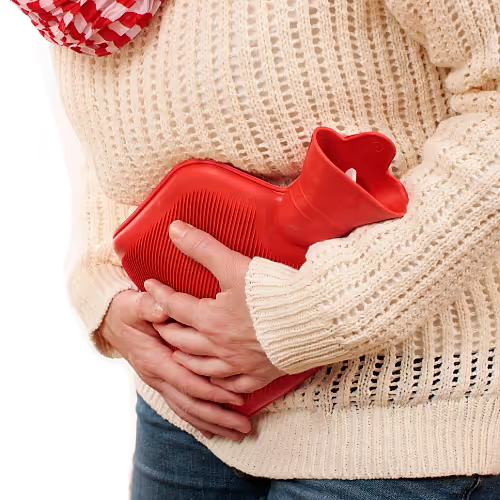
A sample flare-week routine might include morning breathing, midday posture resets, and evening wind-down practices. Warmth to the pelvis or low back can be soothing. Gentle hip mobility and urge suppression drills are included as tolerated. Minimal tracking helps identify patterns and progress. The focus is on steady, manageable steps.
Home practice is central to progress. Breathing, pelvic floor awareness, and gentle stretching are common elements. Urgency drills and toileting mechanics support daily comfort. Consistency builds skills and confidence. Therapists help tailor routines to your needs.
Meal and hydration habits
Stable hydration and regular meals support urgency and frequency goals. Avoiding dehydration cycles helps you avoid concentrated urine and discomfort. Consistent fiber and fluid intake support bowel regularity. Therapists may help adjust hydration timing for bladder retraining. These habits make therapy more effective.
Meal and hydration routines are not one-size-fits-all. Some people benefit from steady sips throughout the day, while others need to adjust based on activity or symptoms. Regular meals help you avoid long fasting windows that can increase urine concentration. Addressing constipation supports pelvic floor comfort. Therapists help you find a routine that fits your lifestyle.
Setting realistic wellness goals
Wellness goals for urgency and frequency include fewer urgent episodes and longer intervals between voids. Improved sleep and confidence in daily routines are also important. Progress is measured by small, steady changes. Each person’s goals are unique.
For many, addressing pelvic floor dysfunction is a key step toward lasting improvement. Building awareness, practicing relaxation, and tracking progress support meaningful change. The journey is gradual, but each step brings you closer to your goals. Pelvic floor dysfunction can be managed with the right support.
A goal ladder can help translate therapy into practical steps. Start with awareness and breathing skills, then add urge suppression and habit changes. Gradually increase capacity and confidence in daily life. Each step builds on the last.
When to seek medical evaluation
While pelvic floor therapy supports many wellness goals, some symptoms require prompt medical attention. Seek evaluation if you develop fever, chills, or severe pain. Blood in the urine, new neurologic symptoms, or sudden changes in your pattern should also be checked. Medical evaluation ensures safety and appropriate care. Pelvic floor therapy is one part of a comprehensive plan. Always reach out to a healthcare provider with new or concerning symptoms.
Choosing a pelvic floor therapist involves finding someone experienced with urgency, frequency, and pelvic pain. Ask about their approach to consent, comfort, and home planning. Bring a symptom diary and hydration notes to your first visit. Setting clear expectations helps guide your journey. Progress is often gradual, with small wins adding up over time. Consistency and support are key to success.
Finding a pelvic floor therapist
Look for therapists who regularly address pelvic floor dysfunction and bladder symptoms. Ask about their experience with urgency and frequency goals. A good therapist will provide education, symptom tracking, and a home plan. Comfort and consent should always guide the process.
Questions to ask include how they approach pelvic floor overactivity, what a typical plan looks like, and how they measure progress. Bringing a voiding diary and symptom list helps guide your first visit. Therapists should explain options and respect your preferences. The plan should be individualized and paced for comfort. Progress is measured by changes in symptoms and daily function. Support and clear communication are essential.
Many people find that pelvic floor therapy becomes a valuable part of their wellness routine. Building skills and confidence supports lasting change. The journey is unique for each person. Therapists help guide and adjust the plan as needed. Small steps add up to meaningful progress.
Common misconceptions can slow progress. Urgency does not always mean the bladder is full. Frequent voiding can reinforce symptoms rather than help you avoid flares. Pelvic floor therapy is not just internal work or strengthening; relaxation and coordination are often more important. Progress may be gradual, not immediate. Understanding these points helps set realistic expectations and supports success.
Key takeaways summary
Pelvic floor dysfunction often overlaps with interstitial cystitis symptoms. Therapy focuses on relaxation, coordination, and skill-building. Small, consistent steps support lasting wellness.
A good pelvic floor therapy plan is individualized and consent-based. Progress is measured by functional goals like fewer urgent episodes and better sleep. Consistency and support are key. Therapists help guide each step. The focus is on building skills and confidence. Small wins matter. Over time, these add up to meaningful change.
Driving Directions From Heritage Bay, FL
Visit The DRIPBaR Naples Today for Wellness Support
- From Heritage Bay, follow Heritage Bay Blvd to Immokalee Rd (note: route may include restricted usage/private roads). (About 1.0 miles / 3 min)
- Turn right onto Immokalee Rd and continue. (About 8.3 miles / 15 min)
- Drive to your destination. (About 0.3 miles / 2 min)
- Arrive at The DRIPBaR Naples, 11216 Tamiami Trl N, Naples, FL 34110.
Start your wellness journey today
Taking the first step toward better bladder comfort can feel daunting, but you do not have to do it alone. Our team is here to guide you at your own pace. Reach out when you are ready to explore your options.
Additional Related Resources
For a deeper look at how symptoms like urgency, frequency, and pelvic discomfort can overlap with muscle patterns, visit the IC symptoms and pelvic floor flare patterns page from the National Institute of Diabetes and Digestive and Kidney Diseases.
To learn more about how pelvic floor physical therapy supports bladder function and why it is often part of a broader wellness plan, explore the how pelvic floor physical therapy supports bladder function resource from UCLA Health. Both resources provide helpful context for understanding your options.