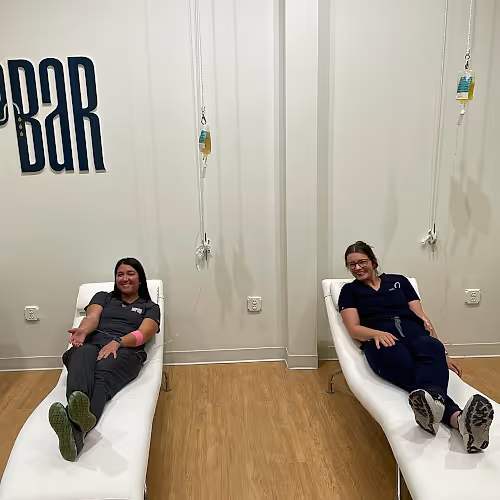

Many guests from Newport appreciate how easy it is to access supportive wellness options close to home. At The DRIPBaR, magnesium IV therapy is offered as a way to complement hydration and relaxation routines, especially during stressful weeks. The environment is designed to help you unwind, whether you are managing a flare or simply seeking a moment of calm. Licensed professionals guide each session, focusing on comfort and safety. Individual needs and preferences shape every visit, ensuring a personalized experience. Many find that pairing IV therapy with other healthy habits supports their overall wellness plan. Results are unique to each person, and ongoing communication with your healthcare provider is encouraged.
Why Magnesium Matters
Magnesium is an essential mineral that plays a role in hundreds of bodily processes, including muscle relaxation, nerve function, and energy production. For those with autoimmune conditions, stress and disrupted sleep can amplify muscle tightness and fatigue. Magnesium IV therapy may support routines aimed at relaxation and muscle comfort, especially during challenging periods. Unlike oral supplements, IV delivery offers a direct and supervised approach, which some find easier during flare weeks. The DRIPBaR’s offerings are designed to fit into a broader wellness plan, not to replace medical care. Each session is tailored to your comfort and current needs. Results vary, and it is important to discuss any new routine with your healthcare provider.
Relaxation IV Therapy Benefits
Relaxation IV therapy is often chosen by those seeking support for stress-heavy weeks or disrupted sleep. Magnesium’s role in calming the nervous system can help some people feel more at ease. This approach may be especially helpful when routines are thrown off by flare-ups or increased demands. By focusing on hydration and relaxation, clients can create a foundation for steadier recovery. Sessions are supervised by trained professionals who adjust the experience for comfort. The goal is to make wellness accessible and supportive. Each person’s response is unique, and ongoing self-awareness is encouraged.
Muscle Comfort Support
Muscle comfort support is a key focus for many living with autoimmune challenges. Magnesium may help ease tension and promote relaxation. This can make daily movement more manageable. Results depend on individual factors.
Autoimmune conditions often bring cycles of muscle tightness, fatigue, and disrupted routines. During flare weeks, even simple activities can feel overwhelming. Magnesium IV therapy is positioned as a supportive tool for those seeking relief from tension and stress. It is not a cure, but it may help some people feel more comfortable and steady. Sessions are tailored to your needs, with a focus on hydration and relaxation. Many find that combining IV therapy with gentle movement and sleep-support habits enhances their overall wellness plan.
Sleep-Support Routines Explained
Sleep-support routines are especially important for those managing autoimmune symptoms. Magnesium is known for its role in helping the body relax and prepare for rest. IV therapy can serve as a structured pause that encourages better sleep hygiene. Clients are encouraged to pair sessions with habits like reducing caffeine, winding down before bed, and keeping a consistent sleep schedule. The DRIPBaR team provides guidance on building these routines. Results vary, and sleep quality depends on many factors. The focus is always on gentle, sustainable changes.
Many people find that sleep is disrupted during stressful or flare-heavy periods. Magnesium IV therapy is not a sedative, but it may support routines that make it easier to fall and stay asleep. The calming effect of magnesium can help reduce muscle tension and nervous system activation. Pairing IV sessions with a wind-down routine can enhance the benefits. It is important to avoid overloading on supplements or making abrupt changes. Tracking your sleep and comfort after each session can help personalize your approach.
Hydration is a foundational part of any wellness plan, especially during autoimmune flare-ups. Magnesium IV therapy combines hydration with targeted mineral support. This approach may be helpful when oral intake is inconsistent or difficult. Many clients appreciate the structured, supervised setting. Results are individualized, and ongoing communication with your wellness team is key.
Building an Autoimmune Wellness Routine
A thoughtful autoimmune wellness routine often includes magnesium IV therapy as a supportive anchor. By focusing on hydration, relaxation, and gentle movement, clients can create a steadier foundation for recovery.
Creating a sustainable routine starts with simple, repeatable habits. Water before caffeine, protein-forward meals, and regular hydration check-ins form the base. Adding a wind-down routine in the evening can help protect sleep quality. Magnesium IV therapy may serve as a structured pause, making it easier to follow through on these habits. Tracking your response over a few days helps personalize your plan. The goal is to avoid overwhelm and keep routines manageable. Each person’s needs and responses are unique, so flexibility is important.
Minimalism is key when building a wellness plan for autoimmune support. Focus on one main goal at a time, such as sleep or muscle comfort. Avoid stacking multiple new supplements or services at once.
Autoimmune Wellness Routine Checklist
Start with hydration and a protein-rich meal to set the tone for your day. Incorporate gentle movement if you feel up to it. Use a wind-down routine in the evening to support restful sleep. Track your comfort and energy levels to guide future choices.
- Hydration first: Drink water before caffeine each morning.
- Protein focus: Include protein at your first meal of the day.
- Gentle movement: Try a short walk or light stretching if tolerated.
- Wind-down routine: Spend 10 minutes with low lights and screens before bed.
- Sleep protection: Set a caffeine cutoff to support better sleep.
- Minimal stacking: Add only one new supplement or service at a time.
- Track response: Monitor sleep, muscle tension, and hydration for a few days after changes.
- Consult professionals: Share your medication and supplement list with your wellness team.
Muscle Comfort and Recovery
Muscle comfort support is a common goal for those with autoimmune conditions. Magnesium IV therapy may help ease tension and promote a sense of relaxation. Pairing sessions with gentle stretching or heat routines can enhance comfort. Always listen to your body and adjust activity as needed.
Recovery routines are most effective when they are simple and consistent. Hydration and protein-rich meals support tissue maintenance. Light movement, such as walking or stretching, can help reduce stiffness. Magnesium IV therapy may serve as a recovery anchor during tough weeks. Avoid pushing through fatigue or pain. Instead, focus on pacing and rest. Tracking your progress helps you adapt your plan over time.
Hydration and electrolyte balance are essential for muscle function. Magnesium IV therapy combines both, offering support during periods of increased stress or activity. Results are individual, and ongoing monitoring is recommended.
During flare weeks, routines often need to be simplified. Focus on hydration, gentle nutrition, and rest as your primary goals. Magnesium IV therapy can be a supportive addition to these basics. Avoid overcomplicating your plan with too many changes at once. Use a simple tracking system to monitor your response. This approach helps you identify what works best for your body.
Maintenance weeks are an opportunity to build consistency. Continue hydration and sleep-support habits, and add movement as tolerated. Magnesium IV therapy may be used periodically to support recovery and relaxation. Review your supplement list to avoid duplication. Adjust your plan based on your current needs and triggers. The goal is to create a routine that feels sustainable and supportive.
Sleep-Support and Relaxation Tips
Protecting sleep is essential for autoimmune wellness. Use a caffeine cutoff and a calming wind-down routine each evening. Magnesium IV therapy may help support relaxation as part of your plan. Keep your bedroom cool, dark, and quiet. Track your sleep quality to guide future adjustments.
Pairing magnesium IV therapy with lifestyle changes can enhance your overall wellness. Focus on hydration, nutrition, and gentle movement. Avoid making multiple changes at once. Review your progress regularly to personalize your approach.
Results from magnesium IV therapy vary for each person. Some notice improved relaxation or sleep, while others feel more steady. Ongoing communication with your wellness team is important.
Safety and Personalization in IV Therapy
Many Newport residents value the convenience of having a trusted wellness resource nearby. At The DRIPBaR, safety and comfort are always prioritized during every session. Licensed professionals review your health history and goals before starting any IV therapy. This personalized approach ensures that each visit is tailored to your unique needs.
Screening for kidney function, medication use, and other health factors is essential before starting magnesium IV therapy. Always disclose your full medication and supplement list. If you have questions, the team is ready to help guide your experience.
Some people may experience mild side effects such as warmth, flushing, or lightheadedness during or after a session. These effects are usually temporary and resolve quickly. Rarely, more significant reactions can occur, especially in those with kidney issues or complex medical backgrounds. It is important to communicate any discomfort to your provider right away. Ongoing monitoring and open communication help ensure your safety. Always consult a healthcare professional if you have concerns about starting a new wellness routine.
Screening and Medication Disclosure
Disclosing your full medication and supplement list is a key part of safe IV therapy. This helps the team avoid duplication and potential interactions. Open communication supports a safer, more effective experience.
People with kidney disease, fluid restrictions, or complex medication regimens should consult a healthcare professional before starting magnesium IV therapy. Screening helps identify any risks and ensures the session is appropriate for your needs. If you are pregnant, breastfeeding, or have a history of electrolyte imbalances, additional precautions may be needed. Always share your health history and current symptoms with your provider. The goal is to create a safe, supportive environment. Personalized care is at the heart of every session.
Red Flags to Watch
Certain symptoms require immediate medical evaluation instead of a wellness visit. These include chest pain, shortness of breath, fainting, or severe dizziness. New or severe palpitations, high fever, or confusion are also warning signs. If you experience any of these, seek urgent care.
Persistent vomiting, rapid swelling, or severe dehydration are additional red flags. Do not delay seeking medical attention if these occur. Wellness services are not a substitute for urgent care.
Always prioritize your safety and well-being. Communicate openly with your wellness team about any changes in your health. Prompt action may help you avoid complications. Your comfort and safety are the top priorities.
Personalizing Your Wellness Plan
Personalization is key to a successful wellness routine. Track your sleep, hydration, and muscle comfort after each session. Adjust your plan based on your unique responses. Consistency and flexibility help you build a routine that fits your lifestyle.
Work with your wellness team to identify your top triggers and goals. Simplify your supplement list to avoid overstacking. Use a tracking system to monitor your progress and make informed adjustments. Focus on routines that feel sustainable and supportive. Results will vary, so patience and self-awareness are important. Your plan should evolve as your needs change.
Magnesium IV Therapy in Your Routine
Integrating magnesium IV therapy into your wellness plan can offer structure and support. Many find that periodic sessions help anchor their routines. The focus is always on hydration, relaxation, and gentle recovery.
For some, magnesium IV therapy becomes a steady part of their autoimmune wellness routine. By including magnesium IV therapy, clients can support relaxation, muscle comfort, and sleep-support goals.
Autoimmune Wellness Routine Examples
A four-week wellness plan might begin with hydration and protein-focused meals, followed by adding gentle movement and a wind-down routine. Magnesium IV therapy can be included as an anchor during stressful or flare-heavy weeks. In week two, focus on protecting sleep and reducing stress with a caffeine cutoff and morning light exposure. Week three may involve restoring movement consistency and using IV therapy to support muscle comfort. The final week is about simplifying your plan and tracking what works best. Personalization and flexibility are key throughout.
During flare weeks, routines should be simplified to focus on hydration, rest, and gentle nutrition. Magnesium IV therapy may serve as a calming anchor, supporting relaxation and sleep-support routines. Maintenance weeks are an opportunity to build consistency with movement and sleep habits. Periodic IV sessions can help reinforce these routines. Always track your response and adjust as needed. The goal is to create a plan that supports your unique needs.
- Hydration anchor: Begin each day with water before caffeine.
- Protein baseline: Include protein at your first meal.
- Gentle movement: Add light activity if tolerated.
- Wind-down routine: Use low lights and reduced screens before bed.
- Sleep protection: Set a caffeine cutoff to support restful sleep.
- Minimal stacking: Add only one new supplement or service at a time.
- Track progress: Monitor sleep, muscle comfort, and hydration after changes.
Setting Realistic Expectations
Magnesium IV therapy is not a cure for autoimmune conditions, but it may support routines focused on relaxation, muscle comfort, and sleep. Results vary based on individual health, hydration, and stress levels. Some people notice subtle improvements in sleep or reduced tension. Others may feel more steady or relaxed after a session. Ongoing tracking and communication with your wellness team help personalize your approach. The goal is to create a supportive, sustainable plan.
Success is defined by improved ability to downshift during stressful weeks, better adherence to sleep-support habits, and reduced muscle tension for some. Routine consistency and hydration follow-through are also signs of progress. Personalization and patience are essential. Results depend on many factors, including your assessment, medications, and lifestyle. Wellness is a journey, not a destination.
If you are considering magnesium IV therapy, start with a conversation with your wellness provider. Bring your medication and supplement list to your first visit. Open communication helps ensure a safe and effective experience.
Tracking Your Progress
Use a simple system to track sleep quality, muscle tension, and hydration after each session. Note any changes in energy or comfort. Adjust your plan based on your observations. This approach supports ongoing personalization.
Consistency is more important than perfection when building a wellness routine. Small, steady changes add up over time. Review your progress regularly and make adjustments as needed. Share your findings with your wellness team. This partnership helps you stay on track.
Wellness routines are most effective when they fit your lifestyle and needs. Personalize your plan and focus on what feels sustainable. Results will vary, so patience is important.
Reviewing Your Wellness Options
Before starting any new wellness routine, take time to review your goals, expectations, and likely outcomes. Magnesium IV therapy may offer support for relaxation, muscle comfort, and sleep, but results are unique to each person. Discuss your plan with a wellness professional and track your response over time. Consistency and open communication are key to building a supportive routine. Remember, wellness is about progress, not perfection.