
Many guests from Newport find that planning for travel after bariatric surgery is about adapting, not aiming for perfection. The focus shifts to maintaining hydration, managing electrolytes, and keeping routines flexible. Even short trips can disrupt established habits, so having a plan matters. A few small adjustments can make travel days more comfortable and less stressful.
After bariatric surgery, travel can introduce unique challenges. Limited stomach capacity makes it harder to drink large amounts quickly. Disrupted meal times and unfamiliar foods may increase the risk of dehydration or discomfort. Recognizing these hurdles early allows you to build a travel routine that protects your progress.
Hydration Planning for Every Trip
Hydration is the foundation of safe and enjoyable travel after bariatric surgery. A strong plan starts before you leave, continues during your journey, and includes a recovery phase for busy or high-activity days. Begin by increasing your fluid intake two days before departure. On travel days, use reminders to sip regularly and prioritize fluids over other beverages. After intense activity or long days, focus on gentle recovery with fluids and electrolytes.
Electrolytes and Dehydration Risks
Bariatric travelers are often more sensitive to dehydration, especially when routines are disrupted. Flights, road trips, and long tourist days can all increase fluid loss or make it harder to keep up with sipping. Electrolytes play a key role in maintaining balance, particularly during heat, after alcohol, or when appetite is low. Choosing the right electrolyte mix is important, as some options may be too sugary or cause discomfort. Testing products at home before your trip can help you avoid surprises on the road.
Bariatric Travel Hydration Tips
Small sips every 10 to 15 minutes can help maintain hydration. Use a bottle with volume markings to track your intake. Set phone reminders if you tend to forget. Prioritize hydration as soon as you arrive at your destination.
Carrying both water and an electrolyte option gives you flexibility during travel. Keep a backup plan in your bag for unexpected delays. Eat protein early in the day to support stable energy. Book accommodations that make it easy to refill bottles.
Recognize dehydration triggers like long flights, hot climates, and salty meals. Plan for extra fluids on days with more activity or sweating. Adjust your routine if you notice signs of dehydration. Quick action may help you avoid more serious issues.
Flying After Bariatric Surgery Hydration
Air travel presents unique hydration challenges for bariatric patients. Dry cabin air and limited drink service can quickly lead to dehydration. Start sipping early in the day and refill your bottle after security. Consider a light electrolyte mix before boarding if you tolerate it well. Choose a seat that allows easy bathroom access to avoid limiting your intake. After landing, continue sipping and avoid long walks in the heat without fluids.
Road trips can also disrupt hydration habits. Plan stops based on fluid needs, not just fuel. Keep a bottle within reach and sip regularly.
Electrolytes After Bariatric Surgery
Electrolytes are especially helpful during periods of heat, heavy activity, or low intake. Sodium, potassium, and magnesium support fluid balance and muscle function. Choose low-sugar or controlled-sugar options if you are sensitive to sweet drinks. Avoid carbonated or high-sugar beverages if they cause discomfort. Test new electrolyte mixes at home before your trip. Use electrolytes proactively before high-risk activities and reactively after fluid loss. Steady sipping is more effective than chugging.
For those with sugar sensitivity, pack electrolyte options you know you tolerate. Practice using them before travel. This reduces the risk of discomfort on the road.
If you experience headaches, fatigue, or dizziness, consider adding electrolytes and increasing fluid intake. Monitor your body’s response. Seek medical care if symptoms persist or worsen.
Dehydration Symptoms After Bariatric Surgery
Recognizing the early signs of dehydration is crucial for anyone focused on travel after bariatric surgery. Symptoms like dark urine, headache, and sudden fatigue can signal that your hydration routine needs attention. Taking action at the first sign helps you avoid more serious issues.
A simple self-check system can guide your response. If symptoms are mild, increase sipping and add electrolytes if appropriate. For moderate signs, prioritize a hydration reset and rest in a cool space. Severe or persistent symptoms require prompt medical evaluation, especially if you cannot keep fluids down.
Common dehydration triggers include long flights, theme park days, hot weather, and salty restaurant meals. Carrying two drink options, keeping a backup plan in your bag, and eating protein early in the day can help you stay ahead. Booking accommodations with easy bottle refills and planning hydration-focused routines can make a big difference. Consistency is key to avoiding setbacks.
Road Trip Hydration After Gastric Bypass
Road trips often lead to reduced fluid intake due to bathroom concerns. Planning stops around hydration needs can help maintain your routine. Keep a small bottle within reach and sip steadily between stops.
- Visible bottle: Keep your water bottle in sight at all times for easy reminders.
- Timer system: Use phone alarms or watch timers to prompt regular sipping.
- Morning ritual: Start each day with a hydration-focused routine before leaving your hotel or home.
- Protein first: Eat protein early to stabilize appetite and support better hydration decisions.
- Evening reset: Use a calm evening routine to recover from busy or dehydrating days.
- Electrolyte backup: Carry tested electrolyte packets for high-risk travel days or heat exposure.
- Refill strategy: Book accommodations that make it easy to refill bottles and store preferred drinks.
Mobile IV Therapy for Travel Hydration
Mobile IV therapy offers a convenient option for travelers who struggle with hydration or recovery. Licensed professionals bring IV hydration services directly to your hotel, rental, or event venue. This can be especially helpful after long flights, busy conference days, or outdoor activities. Sessions are personalized based on your goals and health history. Aftercare guidance includes continuing to sip fluids and monitoring how you feel.
Mobile IV therapy is not a substitute for emergency care, but it can support wellness during travel. Many bariatric travelers use these services to recover from dehydration, manage fatigue, or prepare for busy days. The process includes a screening, setup of a comfortable area, and monitoring by professionals. Honest communication about your surgical history is important for safety. Severe symptoms should always prompt medical evaluation.
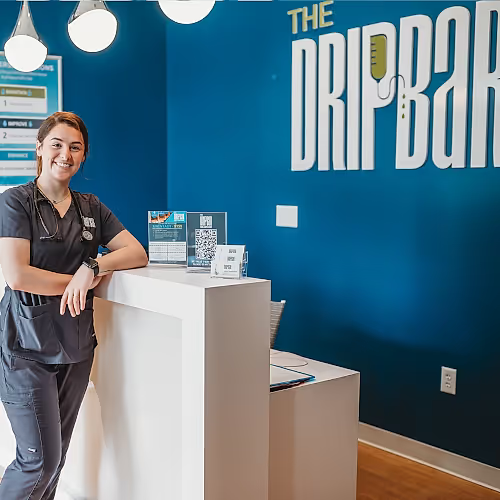
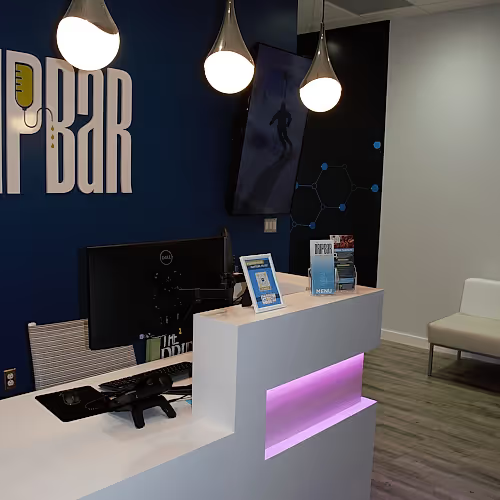
The DRIPBaR Newport provides mobile IV therapy designed for convenience and wellness support. Guests appreciate the flexibility and personalized approach. It is one more tool for maintaining routines on the go.
Packing for hydration success means thinking ahead. Bring a refillable bottle with volume markings and a backup collapsible bottle for long days. Pack electrolyte packets you have tested and tolerate well. Include a small insulated bag if you prefer cold fluids, and add lip balm or dry mouth support for flights. Use phone reminders or a timer system to prompt sipping. A travel pill organizer and extra supplements can help maintain your routine. Shelf-stable protein snacks are useful for transit days.
Meal Timing and Hydration Strategies
Many visitors from Newport mention that travel disrupts their usual meal and hydration timing. Choosing smaller, protein-forward meals may help you avoid discomfort and support hydration. Keeping snacks on hand reduces the temptation to rely on sugary options. Adjusting your routine to fit travel conditions makes it easier to stay consistent.
Separating fluids from meals is often recommended after bariatric surgery. Travel can make this challenging, but a simple timing rule helps. Focus on protein-first snacks and cautious use of sweet drinks.
Packing a written supplement schedule and extra days of supplies can reduce decision fatigue. A travel pill organizer keeps things simple. These small steps support continuity even when your schedule changes.
Testing Before Traveling
Practice your travel hydration plan at home before your trip. Try the electrolyte mix you plan to use on a regular day. This helps identify any issues early.
Simulate a travel day by using reminders and separating fluids from meals. Identify your top two travel challenges and create a plan to address them. Testing routines at home builds confidence for the road. Adjust your approach as needed for comfort and consistency. If you notice recurring issues, consider discussing them with a wellness specialist. Preparation reduces stress and supports better outcomes.
Illness and Low Intake
Stomach upset or illness can quickly increase dehydration risk for bariatric travelers. Pause rich foods and focus on gentle fluid intake if you feel unwell. Small sips and slow pacing are key during mild symptoms. Oral rehydration strategies may help if tolerated. Rest and cool down, especially in hot climates. Severe or persistent symptoms should prompt medical evaluation. Do not try to push through if you are unable to keep fluids down.
Mobile IV therapy may support recovery after illness or dehydration. Always share your surgical history during intake. Safety and comfort are the top priorities.
Common Mistakes and Fixes for Travelers
Drinking too little due to bathroom concerns is a frequent issue. Plan stops and use steady sipping to avoid falling behind. Test electrolyte products before your trip to help avoid surprises.
Relying on airport beverage service can lead to inadequate hydration. Carry an empty bottle through security and fill it immediately. Skipping supplements is common during chaotic schedules, so use a travel organizer and a simple schedule. Letting restaurant meals replace fluids is another pitfall; separate fluids and meals according to your plan. Build in hydration blocks before and after meals. Consistency is easier with a system in place.
Travel success depends on systems, not willpower alone. Visible bottles, reminders, and morning rituals anchor your routine. Protein-first meals and evening resets help maintain energy and hydration. Packing tested electrolyte options and a refill strategy supports flexibility. Each step makes it easier to adapt when plans change. Small adjustments add up to a smoother travel experience.
If you experience vomiting, repeated nausea, or diarrhea while traveling, pause rich foods and focus on gentle hydration. Small sips and oral rehydration strategies may help if tolerated. Rest and cool down, especially in hot weather. Seek medical evaluation if symptoms are severe or persistent. Severe dehydration should be treated as urgent. Honest communication with your wellness provider supports safe recovery. Preparation and awareness are your best tools.
Mobile IV therapy is a supportive option for some travelers, but not a replacement for emergency care. Always prioritize safety and consult professionals if you are unsure. Personalized support can make travel recovery more manageable.
Key Takeaways for Bariatric Travelers
Start your hydration plan before departure and continue through recovery days. Small, steady sips are more effective than catch-up drinking. Electrolytes can be useful during heat, heavy activity, or low intake periods. Consistency is easier with systems like timers and visible bottles. Mobile IV therapy is an option for structured hydration support.
Travel after bariatric surgery support is about adapting routines, not achieving perfection. Using systems and planning ahead can make a significant difference. Recognize your triggers and respond early. Severe or persistent symptoms should always prompt medical evaluation. The right preparation helps you enjoy your journey with greater confidence. Remember, travel after bariatric surgery support is a process, not a single solution.
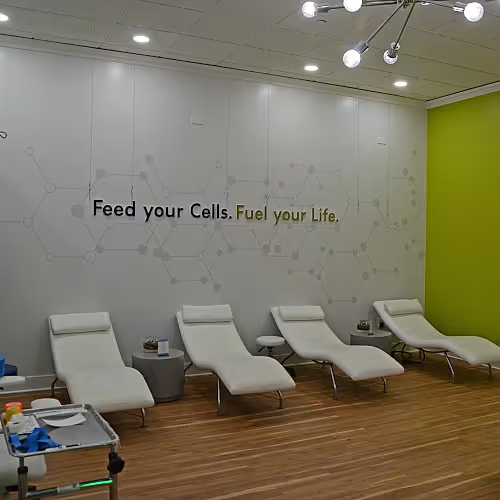
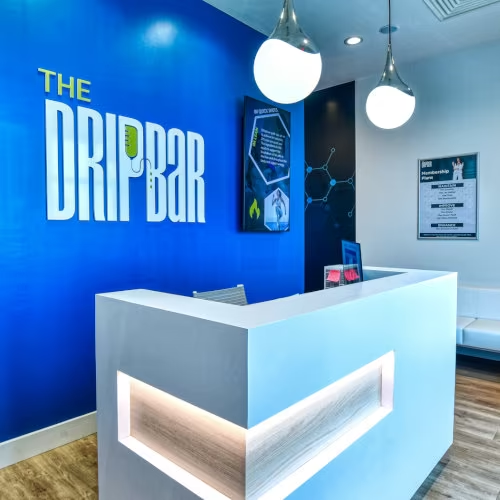
If you are considering mobile IV therapy, look for a provider that offers personalized care and clear communication. The DRIPBaR Newport focuses on creating a welcoming, professional environment where your needs are heard. Licensed professionals guide you through each step, from intake to aftercare. Sessions are tailored to your goals and health history. Many guests appreciate the calm, relaxing atmosphere and the opportunity to recharge. Wellness is about consistency, education, and support, especially during travel.
Simple Path to Support
Taking the first step is often the hardest part. Start by reviewing your travel plans and identifying potential hydration challenges. Reach out to a wellness specialist if you have questions about hydration or mobile IV therapy. Many people find that a quick message or call is the easiest way to get guidance. There are limited daily slots for appointments, so consider scheduling in advance. A supportive team can help you build a plan that fits your needs. Consistency and preparation are the keys to a smoother travel experience.
Mobile IV therapy is available for those who want structured hydration support during travel. Sessions are designed to be convenient and comfortable. Personalized options are available based on your wellness goals. Reach out to learn more about how these services can fit into your travel routine.
Wellness Support Options
The DRIPBaR Newport offers a range of IV therapy services to support hydration, energy, and recovery. Each session is guided by licensed professionals who listen to your goals. Options include hydration-focused drips, immune support, and nutrient infusions. Personalization is based on your health history and preferences. Many guests use these services after travel, intense activity, or during busy weeks. The goal is to make wellness accessible and sustainable.
If you are new to IV therapy, the team is ready to answer your questions and explain the process. Sessions are designed to be relaxing and restorative. Building a relationship with your wellness provider supports long-term health. Consistent support makes it easier to maintain your routine. Wellness is a journey, not a destination.
Consider adding IV therapy to your travel recovery plan if you struggle with hydration or fatigue. Many people find it helpful after long flights or busy event weekends. Personalized care ensures your needs are addressed.
Mobile IV therapy is just one part of a broader wellness approach. Oral hydration, tested electrolyte strategies, and consistent routines remain essential. The DRIPBaR Newport supports you in building a plan that fits your lifestyle. Each visit is an opportunity to recharge and refocus on your health. Reach out to learn more or to schedule a session. Wellness is about small, consistent steps.
Immediate Next Steps for Travelers
Review your upcoming travel plans and identify hydration risks. Pack your essentials and test your routine before departure. Reach out for support if you have questions.
Schedule a session in advance if you want to include mobile IV therapy in your travel plan. Limited daily slots are available. Early planning ensures you have access when you need it.
Message Us for Personalized Travel Support
If you have questions about hydration, electrolytes, or mobile IV therapy, send us a quick message. Our team is here to help you plan for a smoother travel experience. We respond quickly to make the process easy. Your wellness journey matters to us.
Every traveler’s needs are unique, and our approach is always personalized. Whether you are new to IV therapy or looking to maintain your routine, we are ready to support you. Reach out to discuss your goals, ask questions, or schedule a session. The DRIPBaR Newport is committed to making wellness accessible and comfortable. Let us help you stay on track during your next trip.