What are common myths about achieving lasting comfort?
+
A common myth is that comfort can be achieved instantly and permanently, but managing joint health is an ongoing process. Flare-ups may still occur even with careful attention to wellness. Consistency with hydration, nutrition, and supportive therapies is important. Setting realistic expectations helps maintain progress over time.
How does improved joint comfort contribute to overall wellness?
+
Better joint comfort can enhance daily activities and support a more active lifestyle. Reduced pain and swelling may lead to improved mobility and independence. This can have positive effects on mental well-being as well. Maintaining comfort supports long-term joint health and quality of life.
How can I adapt my schedule when experiencing swelling?
+
When swelling occurs, it is helpful to prioritize rest and avoid strenuous activity. Elevating the affected joint and staying hydrated may support recovery. Gentle movement can help maintain flexibility without overexertion. Adjusting your routine during flare-ups can aid comfort and recovery.
How does activity level influence antioxidants?
+
Physical activity can increase the body’s need for antioxidants, which help protect cells from oxidative stress. Moderate exercise may support joint health, but overexertion during flare-ups should be avoided. Including antioxidant-rich foods or nutrients in your routine can be beneficial. Balance is key to supporting recovery and overall wellness.
What are some community insights on getting the most from magnesium?
+
Many people find that regular magnesium intake supports muscle relaxation and joint flexibility. Pairing magnesium with hydration and balanced nutrition may enhance its benefits. Some choose to combine it with other wellness therapies for added comfort. Always consult your healthcare provider before making changes to your supplement routine.
How can I adapt my schedule when experiencing stiffness?
+
During periods of stiffness, gentle stretching and low-impact movement can help maintain joint mobility. Scheduling time for rest and recovery is important to avoid aggravating symptoms. Hydration and supportive therapies may also aid comfort. Listening to your body and adjusting activities as needed supports long-term joint health.
What should I expect at your first Gout appointment?
+
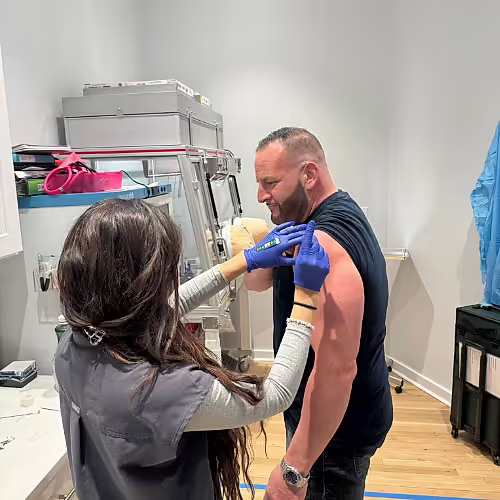
At your first appointment, you will discuss your symptoms and wellness goals with a licensed provider. The team will review your health history and develop a plan tailored to your needs. Sessions may include hydration, nutrient support, or relaxation therapies. You will receive guidance on what to expect and how to prepare for future visits.
How can I recognize the difference between short-term and lasting comfort?
+
Short-term comfort often comes from immediate relief during or after a flare-up, while lasting comfort results from consistent care and lifestyle adjustments. Monitoring your symptoms over time helps identify patterns and improvements. Combining wellness therapies with medical management supports both immediate and long-term comfort. Regular check-ins with your provider ensure your plan remains effective.
Why can small adjustments improve Gout outcomes?
+
Small changes, such as increasing hydration or adjusting your diet, can have a meaningful impact on joint health. Gradual improvements in daily habits often lead to better long-term outcomes. Consistency with supportive therapies and lifestyle choices supports ongoing recovery. Even minor adjustments can help reduce the frequency and severity of flare-ups.
How does stress management support arthritis improvement?
+
Managing stress can help lower inflammation and support the body’s natural recovery processes. Relaxation techniques, adequate sleep, and balanced nutrition all contribute to joint health. Reducing stress may also decrease the risk of flare-ups and improve overall well-being. Integrating stress management into your routine supports arthritis care and recovery.