How can community support help when starting inflammation care?
+
Community support can provide encouragement and accountability as you begin your inflammation care journey. Sharing experiences with others may help you stay motivated and learn new strategies. Support groups or wellness communities can offer valuable resources and emotional backing. Connecting with others often makes the process feel less overwhelming.
What steps create a realistic plan for better comfort?
+
A realistic plan for comfort includes setting achievable goals and tracking your progress over time. Start with small changes, such as adjusting your diet or adding gentle movement. Regularly review your routine and make adjustments as needed. Consistency and patience are key to seeing lasting improvements.
How can preparing ahead benefit recovery after illness?
+
Preparing ahead can help you manage symptoms and support a smoother recovery after illness. Planning meals, rest periods, and supportive therapies ensures your body gets what it needs. Having resources in place reduces stress during challenging times. This proactive approach can make recovery more manageable.
How do complementary services enhance overall comfort?
+
Pairing complementary services, such as nutrient infusions and relaxation techniques, can amplify the benefits of your wellness plan. These combined approaches may address multiple aspects of inflammation and recovery. Integrating different therapies supports a holistic approach to care. Many people find this leads to greater comfort and resilience.
How can antioxidants be made more convenient for busy days?
+
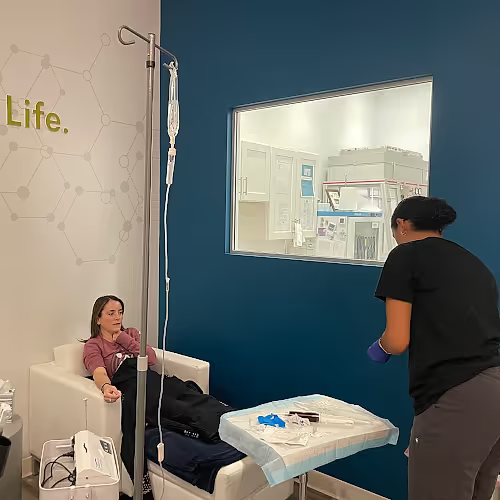
Antioxidants can be incorporated into your routine through quick, nutrient-rich snacks or scheduled IV sessions. Preparing meals in advance or choosing portable options helps maintain consistency. IV therapies offer a time-efficient way to receive targeted support. Planning ahead ensures you get the benefits even on busy days.
What should I do if progress with inflammation plateaus?
+
If you notice a plateau in your inflammation progress, review your current routine and identify any areas for adjustment. Consulting with your provider can help determine if changes in therapy or lifestyle are needed. Tracking symptoms and trying new supportive strategies may help you move forward. Staying flexible and open to change is important for ongoing improvement.
How do nutrient deficiencies affect the immune system?
+
Nutrient deficiencies can weaken the immune system, making it harder for your body to respond to inflammation. Essential vitamins and minerals support immune cell function and overall defense. Addressing deficiencies may help improve resilience and recovery. Regular nutrient intake is important for maintaining immune health.
How can I talk to family about arthritis?
+
Talking to family about arthritis involves sharing your experiences and explaining how symptoms affect daily life. Being open about your needs can foster understanding and support. Providing information about the condition helps others learn how to assist you. Honest conversations can strengthen relationships and improve your care.
What are early signs of improved comfort?
+
Early signs of improved comfort may include reduced swelling, less frequent aches, and better energy levels. You might also notice improved sleep or greater ease with daily activities. Tracking these changes helps you recognize progress. Small improvements often signal that your plan is working.
How do nutrient deficiencies affect the cardiovascular system?
+
Nutrient deficiencies can impact heart health by affecting blood vessel function and energy production. Key nutrients help maintain healthy circulation and support tissue repair. Addressing deficiencies may reduce the risk of related symptoms. Regular monitoring and balanced nutrition support cardiovascular wellness.