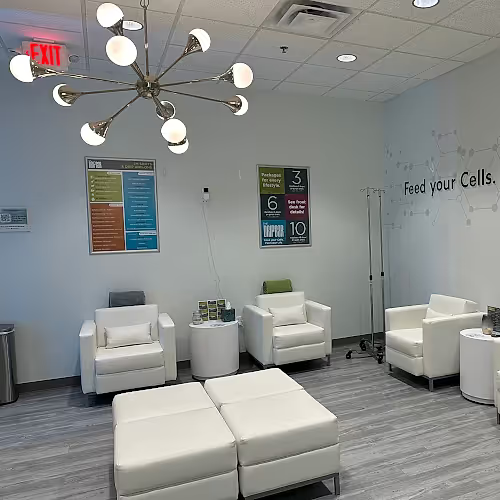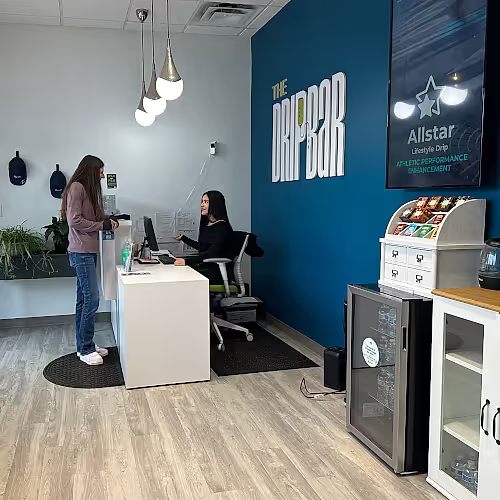

Many adults in Reston and nearby areas seek ways to improve focus and productivity, especially when brain fog disrupts daily life. NAD+ IV therapy is one option some consider for supporting mental clarity during demanding weeks. At The DRIPBaR Reston, clients often appreciate the calm, supportive environment and flexible scheduling. Whether you are new to IV therapy or looking for a routine anchor, the experience is tailored to individual wellness goals. Remember, NAD+ IV therapy is not a medical care for ADHD, but it may complement foundational habits. Always consult a licensed professional for persistent or severe symptoms.
Understanding adult ADHD brain fog
What does brain fog feel like for adults with ADHD? It often appears as mental sluggishness, scattered thoughts, or difficulty starting tasks. Many describe losing track of conversations or forgetting why they opened a browser tab. These moments can lead to frustration and reduced motivation. Brain fog is not a diagnosis, but a pattern of symptoms. It tends to worsen with poor sleep, dehydration, or skipped meals. Recognizing these triggers is the first step toward building better routines.
Mental clarity routines for productivity
How can routines help adults with ADHD manage brain fog? Simple, repeatable habits can support steadier focus and energy. Pairing these routines with wellness options may enhance daily productivity.
Hydration and nutrition basics
Why do hydration and meals matter so much for mental clarity? Dehydration can make concentration harder, while skipped meals often lead to energy crashes and irritability. Adults with ADHD are especially prone to forgetting to drink water or eat regularly during busy days. A visible water bottle and protein-forward snacks can help maintain focus. Planning meals ahead reduces decision fatigue. These small steps create a foundation for clearer thinking and more consistent productivity.
What role does sleep play in managing brain fog? Consistent sleep routines support executive function and reduce cognitive fatigue. Adults with ADHD often struggle with late-night alertness or difficulty winding down. Creating a wind-down ritual and sticking to a regular wake time can improve clarity. Pairing sleep support with hydration and nutrition strengthens the overall routine.
Productivity planning strategies
How can productivity planning help adults with ADHD? Breaking tasks into smaller steps makes it easier to start and finish projects. Using visible timers and short focus blocks reduces overwhelm. Transition rituals, like a two-minute start, can make task initiation smoother.
What is the benefit of time blocking for ADHD? Short, focused work periods followed by planned breaks help maintain momentum. This approach reduces time blindness and supports better task completion. Adjusting block length to fit your attention span is key.
Wellness supports for clarity
How does NAD+ IV therapy fit into an ADHD-friendly routine? NAD+ is a coenzyme that supports cellular energy and resilience. Some adults report feeling clearer or more alert after an infusion, especially when paired with good sleep and hydration. The DRIPBaR Reston positions NAD+ IV therapy as an optional wellness support, not a care for ADHD. Infusions are administered slowly to maximize comfort, and staff encourage clients to communicate any sensations during the session. Results vary, and the best outcomes come when NAD+ is part of a broader routine. Always disclose your health history and medications before starting any new wellness service.
What should you expect during a NAD+ infusion session? Some people notice warmth, mild nausea, or restlessness, especially if the infusion is too rapid. Slowing the rate usually improves comfort. Afterward, clients may feel mentally refreshed or simply more hydrated. The experience is highly individual, and subtle benefits may appear the next day. Pairing the session with calm activities and a low-stimulation schedule can enhance the sense of clarity.
Mental clarity routine for infusion days
On infusion days, many adults use NAD+ IV therapy as a reset for their mental clarity routine. Planning a calm morning with water, a protein breakfast, and light movement can set the tone. During the session, choosing restful or focused activities helps maximize the benefits. Afterward, hydration and a balanced meal support recovery. NAD+ IV therapy is most effective when integrated into a broader wellness plan.
How can you structure your day for better focus? Start by identifying three top priorities and one key habit to protect, such as sleep or hydration. Use short time blocks for deep work and plan breaks for movement. Avoid overloading your schedule on infusion days. This approach helps translate moments of clarity into real productivity.
ADHD productivity planning tips
Making clarity usable is a common challenge for adults with ADHD. Instead of long to-do lists, write one list and highlight the next physical step for each task. Use a two-minute start ritual to overcome inertia. Visible timers and external cues, like a water bottle or sticky notes, can keep routines on track.
Time blocking works best when blocks are short and transitions are planned. Begin with easy wins, then move to the hardest task. Frequent breaks and movement help maintain stamina throughout the day.
- Morning prep: Drink water, eat protein, and move lightly.
- Infusion focus: Choose restful or calm productivity activities during your session.
- Afternoon support: Hydrate, eat a balanced meal, and avoid overstimulation.
- Evening wind-down: Reduce screens and prepare for restful sleep.
Hydration strategies
Hydration is a key part of supporting mental clarity in adults with ADHD. Attach water intake to daily cues, such as opening your laptop or starting a meeting. Use a bottle you like and keep it visible. Some people prefer cold or flavored water, which can make drinking more enjoyable. Electrolytes may help on high-sweat or travel days, but consult a professional if you have health concerns.
Pairing hydration with fiber-rich snacks can support both focus and digestion. Adjust your water intake if you increase fiber to avoid discomfort. Consistent hydration routines help stabilize energy and mood.
If you struggle to remember to drink, set reminders or use visual cues. Over time, these habits can become automatic and support clearer thinking throughout the day.
Building a hydration habit takes time, but small changes add up. Start with one new trigger and expand as it becomes routine. Consistency is more important than perfection.
Sleep and nutrition for clarity
Many clients from Reston find that improving sleep and nutrition routines makes a noticeable difference in their mental clarity. A consistent wind-down time, morning light exposure, and a protein-rich breakfast can help stabilize energy. Planning meals ahead reduces last-minute decisions and supports better focus. Pairing these habits with wellness services can create a strong foundation for productivity. Remember, small changes in routine can lead to meaningful improvements.
Sleep routines are especially important for adults with ADHD. Start with a regular wind-down window, lower lights, and limit screen time before bed. Write down tomorrow’s top priorities to reduce racing thoughts. Morning light and a steady wake time help align your body’s natural rhythms. Caffeine should be paired with water and limited in the afternoon. These steps support better sleep and clearer thinking.
Nutrition structure matters for focus stamina. Prioritize protein at breakfast and lunch, and plan a snack bridge for the afternoon. Default meals reduce decision fatigue and help maintain consistency, especially on infusion weeks.
Weekly clarity planning
Using NAD+ infusion as a weekly anchor can help structure your wellness plan. Choose one day for recovery and clarity, focusing on low-stimulation tasks like calendar cleanup or meal planning. Protect the following morning by setting an earlier bedtime and preparing for the next day. This rhythm supports sustained productivity and mental clarity.
Infusion days are ideal for systems-level tasks that benefit from steady attention. Plan to tackle simple admin, budgeting, or decluttering during or after your session. Avoid emotionally intense or high-stimulation activities. This approach helps you make the most of your clarity window and supports long-term routine building.
Pairing NAD+ IV therapy with foundational habits increases the likelihood of positive outcomes. Focus on improving one area at a time, such as sleep, hydration, or nutrition. Over time, these changes can make clarity and productivity more reliable.
If you are new to wellness infusions, start with a simple plan and adjust as you learn what works best for you. Communicate openly with staff about your goals and comfort. Every experience is unique, and results may vary.
Safety is always a priority. Disclose your health history, medications, and any allergies before starting a new service. Do not arrive dehydrated or fasting unless instructed. If you experience chest pain, severe dizziness, or allergic reactions, seek urgent evaluation. Wellness services are most effective when paired with professional guidance and routine self-care.
Personalizing your clarity plan
Choose one foundation to improve first, such as sleep or hydration. Build habits gradually and celebrate small wins. Personalization makes routines more sustainable.
If sleep is your focus, start with a consistent wind-down and morning light. For hydration, use triggered sips and a visible bottle. Nutrition-first plans prioritize protein and default meals.
Planning-first routines use time blocks, two-minute starts, and end-of-day reviews. NAD+ IV therapy can serve as a clarity anchor for any of these approaches. Adjust your plan as your needs evolve.
Managing overstimulation and recovery
Overstimulation can trigger brain fog in adults with ADHD. Signs include irritability, scattered thinking, and frequent task switching. Calm strategies, such as the one-tab rule or low music, can help regulate input. Plan short movement breaks and lower lighting in the evening. Pairing these habits with wellness supports can improve recovery and clarity.
Mental endurance is built through steady habits, not quick fixes. Protein-rich meals, hydration triggers, and regular sleep routines support stamina. NAD+ IV therapy may complement these foundations for some individuals. Focus on consistency and gradual improvement. Celebrate progress rather than perfection.
Integrating NAD+ IV therapy with productivity planning
NAD+ IV therapy can be part of a broader productivity plan for adults with ADHD. Use infusion days as a reset point for routines. Plan calm work sessions or rest during your visit. Pairing wellness services with structured habits supports long-term clarity.
Some adults find that NAD+ IV therapy provides a sense of renewal, especially when combined with supportive routines. Using NAD+ IV therapy as a regular anchor can help reinforce positive habits. Remember, NAD+ IV therapy is not a substitute for medical care. Focus on building a routine that fits your needs and consult professionals as needed.
Weekly or bi-weekly infusions may fit well for those seeking ongoing support. Adjust your schedule based on how you feel after each session. Consistency and self-awareness are key to making the most of your wellness plan.
Checklist for clarity days
Before your infusion, hydrate and eat a light meal. Bring a calm activity, like a book or journal, for your session. Plan a low-stimulation afternoon and set an earlier bedtime. During the infusion, communicate sensations to staff and choose restful tasks. Afterward, hydrate, eat a balanced meal, and protect your sleep with a wind-down routine. These steps help maximize the benefits of your clarity day.
A weekly clarity plan might include a two-minute start ritual, protein-first breakfasts, and triggered hydration sips. Use a consistent wind-down time most nights. Small, repeatable habits make routines sustainable.
- Pre-infusion prep: Hydrate and eat a light meal before your session.
- During infusion: Choose calm activities and communicate with staff.
- Post-infusion care: Hydrate, eat, and move gently after your visit.
- Weekly routine: Anchor your plan with one clarity day and daily habits.
Final thoughts
NAD+ IV therapy is one of several wellness options for adults with ADHD seeking more consistent clarity and productivity. Its benefits are most noticeable when paired with foundational habits like sleep, hydration, and nutrition. The DRIPBaR Reston offers a supportive environment and experienced staff to help you personalize your experience. Results vary, and it is important to approach any new routine with realistic expectations. Consult with a licensed professional for ongoing symptoms or complex health needs.
Building a sustainable clarity routine takes time and experimentation. Start with one change, observe how it affects your focus, and adjust as needed. Wellness services can complement your efforts, but the foundation is always your daily habits.
If you are considering NAD+ IV therapy, take time to review your goals and discuss them with the team at The DRIPBaR Reston. Personalization and open communication are key to a positive experience. Remember, clarity and productivity are built step by step. Celebrate your progress and keep refining your approach as you learn what works best for you.
Ready to explore your clarity routine?
If you have questions about NAD+ IV therapy or want to discuss your wellness goals, reach out to The DRIPBaR Reston team. We are here to support your journey toward better focus and energy. Share your concerns or ask about our services before making any decisions. Your clarity routine can start with a single step, let us help you find the right fit.
Every adult’s path to mental clarity is unique. Whether you are new to wellness infusions or refining your routine, our team is ready to guide you. Take the next step at your own pace and discover how small changes can add up to meaningful results.