
Is memory loss disrupting your routine?
Cognitive changes can make daily life unpredictable and challenging for both individuals and families. Recognizing early signs of memory loss allows for timely support and planning. Exploring available options can help you respond thoughtfully to these changes.
Empower Your Mind and Memory
Explore supportive therapies.
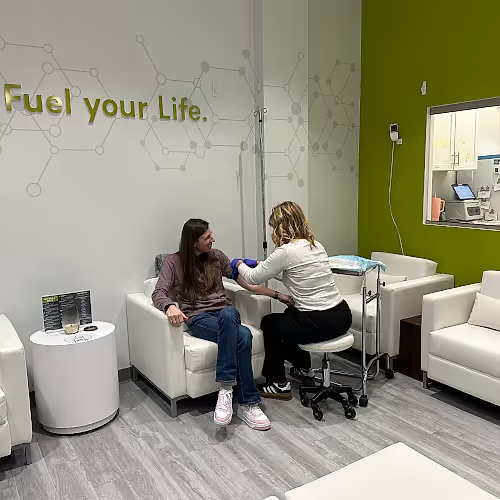
The DRIPBaR Reston provides IV nutrient therapies that aim to support neurological health and cognitive function in those experiencing memory changes. These therapies are formulated to help address oxidative stress, promote healthy brain cell activity, and maintain hydration for optimal brain performance. By delivering targeted nutrients, individuals may find support for mental clarity and resilience as part of a comprehensive approach. Our services are designed to complement established care plans and offer additional strategies for those concerned about cognitive decline.
At The DRIPBaR Reston, our team works closely with you to identify therapies that align with your needs and lifestyle. Each session is supervised by licensed providers who prioritize your comfort and safety. We encourage you to take proactive steps for your cognitive health. Book your appointment today to discover how our support can make a difference.
Did you know?
Dementia can develop gradually, with symptoms often appearing years before assessment is made.
What to Know About Alzheimer's & Dementia
Over time, Alzheimer’s & Dementia lead to progressive changes in memory, thinking, and behavior due to disruptions in brain cell communication. These conditions are driven by the buildup of abnormal proteins, which interfere with how nerve cells function and connect. As the disease advances, individuals experience increasing difficulty with daily activities and decision-making. The rate of progression varies, but most people notice a steady decline in cognitive abilities.
Risk factors include aging, genetics, cardiovascular health, and chronic inflammation. Managing these conditions often involves a combination of medical treatment, lifestyle adjustments, and supportive therapies. Early identification of symptoms allows for better planning and intervention. A comprehensive approach can help individuals maintain independence and quality of life for as long as possible.
Symptoms of Alzheimer's & Dementia
Are you noticing more frequent forgetfulness or trouble recalling recent events? Early symptoms of Alzheimer’s & Dementia often include mild memory lapses, difficulty finding words, and confusion about time or place. These changes may be subtle at first, but they can gradually interfere with daily routines and relationships. Family members may also observe increased repetition or misplaced items.
As the condition progresses, symptoms typically expand to include impaired judgment, disorientation, and challenges with problem-solving. Personality shifts, mood swings, and withdrawal from social activities are common as individuals adapt to cognitive changes. Some may experience increased anxiety, depression, or agitation in response to these difficulties.
In advanced stages, people may lose the ability to recognize loved ones or manage self-care tasks. Communication becomes more difficult, and complete dependence on caregivers is often required. The impact on daily life grows more significant, affecting both the individual and their support network.
Traditional Treatments
Care for Alzheimer's & Dementia usually starts with medications that aim to slow cognitive decline and manage symptoms. Cholinesterase inhibitors and memantine are commonly prescribed to help with memory and thinking abilities. These medications may provide modest benefits, especially in the early and middle stages of the condition. Regular monitoring and adjustments are important to address changing needs. Non-pharmacological approaches play a key role, including behavioral therapies, environmental modifications, and structured routines. Support for sleep disturbances, mood changes, and caregiver well-being is also essential. Lifestyle changes such as a balanced diet, physical activity, and mental stimulation can further enhance overall health. Combining these strategies helps create a comprehensive care plan.
How IV Therapy May Help
How can IV nutrient therapy fit into your wellness plan for cognitive health? These therapies deliver vitamins, minerals, and antioxidants directly into the bloodstream, supporting brain function and energy metabolism. Immediate absorption allows for precise dosing, which may help reduce oxidative stress and promote cellular repair. By focusing on nutrients that play a role in neurological health, individuals can explore options to help manage cognitive fatigue and support mental clarity. These therapies are intended to complement, not replace, traditional care and should be considered as part of a broader wellness plan. Clients benefit from a supportive environment where licensed providers oversee each session and monitor progress. Regular IV therapy may help address hydration, support immune defenses, and provide ongoing nutritional support for those experiencing memory changes. The DRIPBaR encourages open communication with your healthcare provider to ensure therapies align with your overall care plan. Our goal is to help you maintain quality of life and independence for as long as possible.
Nutrient Support for Cognitive Wellness
Specialized nutrient therapies can help support memory, focus, and cognitive resilience. These options are designed to address oxidative stress and promote cellular health. Individuals may benefit from exploring therapies that target neurological wellness.
NAD+
Nicotinamide Adenine Dinucleotide (NAD) is an intravenous therapy designed to replenish a critical coenzyme involved in cellular energy production and DNA repair. By delivering NAD+ directly into the bloodstream, this treatment supports mitochondrial function and neurological health. It may help improve mental clarity, reduce fatigue, and support resilience against oxidative stress. The therapy is tailored to individuals seeking to enhance their overall vitality and cognitive performance. It offers a focused approach to supporting long-term cellular health and metabolic balance.
Read moreNicotinamide Riboside (NR)
Nicotinamide Riboside (NR) is a specialized intravenous therapy designed to enhance cellular energy by increasing NAD+ levels. This Vitamin B3 derivative supports mitochondrial health, DNA repair, and metabolic regulation. The infusion may improve mental clarity and reduce oxidative stress. It is suitable for adults seeking to boost stamina and cognitive function. Individual responses vary, and ongoing sessions may maximize benefits. This therapy complements a holistic wellness approach.
The people who works at the clinics placed ate very professional and the licensed provider dedicated and knows how taking care of the patient! Thank you
lovely clinic team & excellent atmosphere!
Read more
Ready to Get Started?
Feel your best with a treatment designed to support your goals! Whether you’re looking for hydration, energy, immune support, recovery, or overall wellness, our team will help you choose the right option and make sure your experience is comfortable from start to finish. Click the Book Appointment button below to pick your reserve a time that fits your schedule.
What simple at-home practices may ease Alzheimer's & Dementia symptoms?
Maintaining a structured daily routine and engaging in mental activities can help ease symptoms. Staying physically active and eating a balanced diet support overall brain health. Social interaction and regular sleep are also beneficial. Small, consistent changes can make daily life more manageable.
How can you adapt your lifestyle to get the most from Alzheimer's & Dementia support?
Adapting your lifestyle involves creating routines that support cognitive health and reduce stress. Incorporating regular physical activity, mental exercises, and healthy nutrition can enhance outcomes. Staying socially engaged and seeking professional guidance are also important. Flexibility and ongoing adjustments help maximize benefits.
Can you combine multiple services in one visit for Alzheimer's & Dementia?
Combining services such as IV therapy with wellness consultations can provide a more comprehensive approach. Coordinating therapies may help address multiple aspects of cognitive health in a single visit. Licensed providers can help tailor sessions to your needs and preferences. This integrated approach supports overall well-being.