
Why is recovery taking so long?
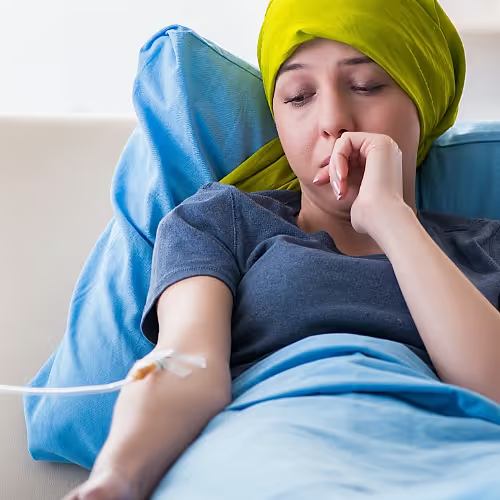
After completing treatment, many expect to feel better quickly, but recovery can be slow and unpredictable. Lingering fatigue, low energy, and immune challenges may persist, making daily life harder. Tracking your progress and adjusting your self-care can help you notice gradual improvements.
Restore Strength and Support Recovery
Integrated wellness for recovery.
The effects of cancer treatment often linger, leaving many with ongoing fatigue, dehydration, and nutrient loss. The DRIPBaR Reston provides IV therapies that deliver hydration and essential nutrients directly to your body, supporting energy and immune function. These therapies are designed to help reduce inflammation, promote tissue repair, and improve your sense of well-being. By focusing on your unique needs, we aim to help you regain strength and resilience.
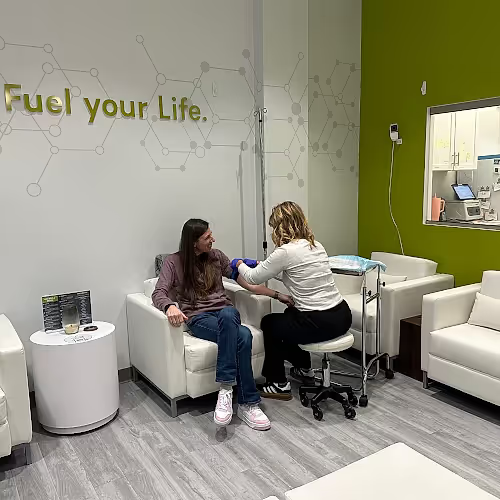
At The DRIPBaR Reston, each IV session is supervised by licensed providers to ensure your safety and comfort. Our team tailors every approach to your recovery goals, whether you are managing side effects or rebuilding stamina. We are committed to supporting you through every stage of your journey. Book your appointment today to take a positive step toward recovery.
Did you know?
Even after treatment ends, lingering fatigue and nutrient loss can make daily recovery from cancer more challenging.
Understanding Cancer Recovery Needs
While it is common to hope for a quick return to normal after cancer treatment, the reality is that recovery often takes time and involves multiple challenges. Cancer is a complex group of diseases marked by abnormal cell growth, and treatments such as chemotherapy and radiation can affect both healthy and cancerous cells. These interventions may lead to fatigue, immune suppression, and nutrient depletion, making it harder for the body to recover and regain strength. Supporting natural repair processes and maintaining hydration are key factors in improving overall well-being.
Common setbacks can be triggered by ongoing inflammation, dehydration, or nutrient loss resulting from treatment. Managing these factors involves healthy lifestyle choices, including balanced nutrition, regular activity, and stress reduction. Responsible care also means working closely with your healthcare team to monitor symptoms and adjust your approach as needed. Small, consistent efforts can gradually help restore energy and resilience.
Symptoms of Treatment Side Effects
Fatigue is a frequent and persistent symptom for many people during and after cancer treatment. This tiredness often does not improve with rest and can make everyday activities feel overwhelming. Muscle weakness and low motivation may also be present, making it important to monitor your energy levels. Recognizing gradual changes can help you track your progress.
Dehydration and nutrient depletion are also common, especially following chemotherapy or radiation. Symptoms may include dry mouth, dizziness, headaches, and muscle cramps, which can hinder recovery. These issues may contribute to ongoing discomfort and slow recovery. Staying mindful of your hydration and nutrition can support your body’s recovery process.
Immune suppression and increased inflammation can raise the risk of infections and delay wound repair. Some individuals notice frequent colds, mouth sores, or slow recovery from minor injuries. Monitoring your immune health and reporting new symptoms to your healthcare team can help you manage these challenges effectively.
Traditional Treatments
A typical cancer care plan may include surgery, chemotherapy, radiation therapy, targeted therapy, or immunotherapy. Each method aims to control or eliminate abnormal cell growth while protecting healthy tissues as much as possible. Treatments are often given in cycles, allowing time for the body to rest and recover between sessions. Supportive care, such as medications for side effects and regular check-ins with your healthcare team, is a vital part of the process. Additional strategies may be recommended to address fatigue, dehydration, and nutrient loss during and after treatment. These can include dietary changes, gentle physical activity, and supervised wellness therapies. The goal is to improve comfort, maintain strength, and support the body’s natural recovery abilities. Working closely with your healthcare provider ensures your plan is tailored to your unique needs.
How IV Therapy May Help
IV therapy at The DRIPBaR provides targeted support for those recovering from cancer or seeking to maintain wellness during treatment. By delivering nutrients and hydration directly into the bloodstream, these therapies can help address fatigue, support immune balance, and promote tissue repair. Each session is customized to your needs and overseen by licensed providers for safety and comfort. Unlike oral supplements, IV infusions offer immediate availability of vitamins, minerals, and antioxidants, which can be especially helpful when appetite or absorption is compromised. Our approach is designed to complement your existing care plan, helping you feel more resilient and better equipped for daily challenges. We focus on supporting your recovery and overall well-being.
IV Therapies for Recovery Support
Specialized IV therapies can help replenish nutrients, restore hydration, and promote immune balance during recovery. These offerings are designed to address fatigue and help strengthen your body’s resilience. Each session is tailored to your needs and delivered under professional supervision.
Allergy
Allergy offers a direct infusion of antioxidants and essential minerals to support immune system regulation and tissue recovery. Ingredients such as Vitamin C, NAC, Magnesium, and Zinc work together to reduce oxidative stress and inflammation. This therapy helps alleviate respiratory discomfort and promotes mental clarity. It is suitable for individuals seeking relief from immune-related symptoms and fatigue. Allergy supports overall wellness by delivering nutrients efficiently and effectively.
Glutathione
Glutathione
Glutathione is a critical antioxidant that supports the body’s natural detoxification and repair processes. Delivered intravenously, it bypasses digestion for immediate availability and effectiveness. This therapy helps reduce oxidative stress, supports immune resilience, and promotes healthier skin and tissue function. Regular infusions may improve energy levels and mental clarity. It is often used as part of a comprehensive wellness plan to enhance overall vitality and recovery.
High Dose Vitamin C
High Dose Vitamin C delivers elevated levels of essential nutrients directly into the bloodstream to support immune function and reduce oxidative stress. The infusion includes ascorbic acid, magnesium, calcium, and potassium, which work together to promote tissue repair and metabolic balance. This therapy is designed for individuals seeking enhanced recovery and wellness support. Each session is customized to meet specific health needs, providing targeted antioxidant and immune benefits. It is often used as a complementary approach during demanding health periods to improve overall vitality and resilience.
Read moreOzone Therapy
Ozone Therapy involves drawing a small amount of blood, mixing it with medical-grade ozone, and reinfusing it to support your body’s natural processes. This treatment aims to enhance immune response, improve oxygen delivery, and activate antioxidant pathways. Sessions are conducted by licensed providers in a comfortable setting. The therapy may help with energy restoration and detoxification. It is designed to complement your overall wellness plan and support recovery. Each visit is personalized to your health goals and comfort. This approach offers a medically guided option for those seeking to optimize their health.
The people who works at the clinics placed ate very professional and the licensed provider dedicated and knows how taking care of the patient! Thank you
lovely clinic team & excellent atmosphere!
Read more
Ready to Get Started?
Feel your best with a treatment designed to support your goals! Whether you’re looking for hydration, energy, immune support, recovery, or overall wellness, our team will help you choose the right option and make sure your experience is comfortable from start to finish. Click the Book Appointment button below to pick your reserve a time that fits your schedule.
Why is moderate activity good for Cancer Care Support?
Moderate physical activity can help improve energy, mood, and overall well-being during recovery. It supports circulation, muscle strength, and immune function. Gentle movement, such as walking or stretching, is often beneficial. Always check with your healthcare provider before starting new activities.
How can you troubleshoot plateaus with Cancer Care Support?
If progress slows, reviewing your hydration, nutrition, and rest routines can help identify areas for improvement. Adjusting your self-care strategies may help overcome plateaus. Tracking your symptoms and energy levels provides useful feedback. Discuss persistent challenges with your healthcare team for tailored support.
What are signs Cancer Care Support is helping?
You may notice increased energy, improved hydration, and better immune balance as signs of progress. Enhanced recovery from daily activities and fewer infections can also indicate positive changes. Tracking your well-being over time helps you recognize these improvements. Consistency in your care routine is key.
How can nutrition be adapted for Cancer Care Support?
Nutrition plans may need to be adjusted to address changes in appetite, digestion, or nutrient needs during recovery. Including a variety of nutrient-rich foods supports recovery and energy. Working with a healthcare professional ensures your plan meets your specific requirements. Regularly reviewing your diet helps maintain progress.