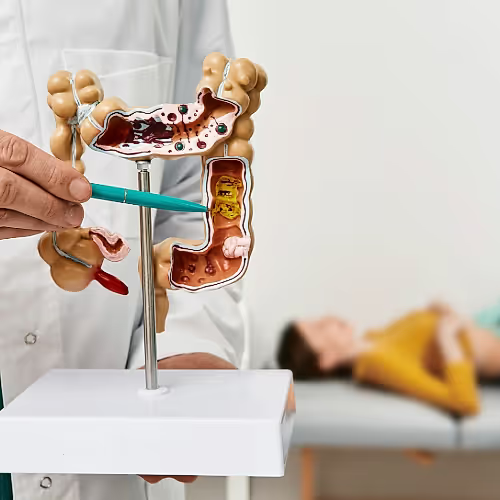

Are flare-ups disrupting your routine?
Managing Crohn’s disease can mean dealing with unexpected symptoms that interrupt your plans. While some strategies offer short-term relief, others focus on long-term stability. Finding the right balance is key to feeling your best.
Restore Balance and Build Resilience
Personalized support for Crohn’s.
When living with Crohn’s disease, unpredictable symptoms and nutrient loss can make daily life challenging. The DRIPBaR provides IV therapies designed to deliver hydration, essential vitamins, and minerals directly into your bloodstream for efficient absorption. This approach helps address fatigue, supports immune function, and aids in tissue recovery, allowing you to better manage both flare-ups and periods of remission. Regular IV support may help you maintain energy and overall wellness as part of your ongoing care.
At The DRIPBaR Reston, you’ll find IV therapies that complement your existing Crohn’s management plan. Our licensed providers tailor each session to your unique needs, focusing on replenishing nutrients and supporting your recovery. Take a proactive step toward feeling stronger, book your appointment today.
Did you know?
Crohn’s disease can cause deep tissue inflammation and often leads to nutrient deficiencies.
Understanding Crohn's Disease
Crohn’s disease is a chronic inflammatory condition that affects the digestive tract, most commonly the lower small intestine and the beginning of the colon. Persistent inflammation can penetrate the bowel wall, resulting in symptoms like abdominal pain, diarrhea, and fatigue. This ongoing process disrupts nutrient absorption, sometimes causing weight loss and complications such as strictures or fistulas. While the exact cause is unclear, genetic, immune, and environmental factors all contribute.
Flare-ups may be triggered by stress, certain foods, infections, or medication changes. Effective management often combines medication, dietary changes, and supportive therapies to address symptoms and maintain remission. Working closely with healthcare providers allows for timely adjustments to care plans. Early intervention and consistent support help reduce complications and improve quality of life.
Common Symptoms of Crohn's Disease
Symptoms of Crohn’s disease often include abdominal pain, frequent diarrhea, and ongoing fatigue. Many individuals experience weight loss, reduced appetite, and difficulty maintaining daily routines. Flare-ups can alternate with periods of remission, making symptom patterns unpredictable. The intensity and frequency of these symptoms vary widely among individuals.
During active disease, inflammation may cause deep tissue damage in the digestive tract, sometimes leading to strictures or fistulas. Malabsorption of nutrients is common, which can result in anemia and low energy. Some people also notice joint pain, skin changes, or eye inflammation as part of their overall experience. Tracking new or changing symptoms is important for guiding care.
Chronic inflammation and nutrient loss may lead to long-term complications if not addressed. Dehydration from persistent diarrhea is a particular concern during flare-ups. Emotional stress and uncertainty about symptom patterns can also impact well-being. Ongoing support and regular follow-up help manage these challenges.
Traditional Treatments
Conventional care for Crohn's disease focuses on reducing inflammation, managing symptoms, and avoiding complications. Medications such as corticosteroids, immunosuppressants, biologics, and antibiotics are commonly used to control flare-ups and maintain remission. Nutritional therapy is often recommended to address deficiencies and support recovery, especially when absorption is impaired. In some cases, surgery may be necessary to remove damaged sections of the digestive tract. Long-term care usually involves regular monitoring, dietary adjustments, and sometimes supplementation or IV therapies to maintain nutrient balance. Collaboration with healthcare professionals helps tailor treatment to individual needs and symptom patterns. Early attention to flare-ups can minimize complications and supports recovery. Combining medical management with supportive therapies may improve overall quality of life.
How IV Therapy May Help
When traditional methods do not fully address nutrient loss or hydration needs, IV therapy offers a direct way to support your body. By delivering fluids, vitamins, and minerals straight into the bloodstream, this approach bypasses digestive challenges and helps restore balance efficiently. Licensed providers oversee each session, adjusting care to your needs and monitoring your response. Many people find this method helpful for managing fatigue, dehydration, and deficiencies linked to Crohn's disease. The DRIPBaR’s IV therapies are designed to work alongside your existing care plan, not as a replacement. Each session is tailored to your current symptoms and wellness goals, with options to address inflammation, immune support, and recovery after flare-ups. Consistent IV support can help maintain energy, promote tissue repair, and support immune balance. If you are seeking a proactive way to manage Crohn’s disease, IV therapy may be a valuable addition.
IV Therapy for Digestive Support
Specialized IV therapies can help restore hydration, replenish nutrients, and support immune balance for those managing Crohn’s disease.
Pre/Post-Op
Pre/Post-Op is an intravenous therapy designed to optimize the body’s condition before surgery and enhance recovery afterward. It delivers essential nutrients such as Vitamin C, Magnesium, and Zinc directly into the bloodstream for rapid absorption. This approach supports tissue repair, immune function, and energy restoration. By reducing oxidative stress and promoting collagen synthesis, it aids in wound repair and overall resilience. The therapy is suitable for various surgical procedures and recovery needs. It offers a comprehensive solution to support wellness during the perioperative period.
Read moreRestoration
Restoration is an intravenous infusion designed to replenish fluids and essential nutrients rapidly. It includes vitamins such as Ascorbic Acid (Vitamin C), minerals like Magnesium and Calcium, and antioxidants to support immune health and reduce oxidative stress. This therapy aids in restoring energy, improving mental clarity, and easing muscle tension. It is suitable for individuals recovering from physical exertion or stress. The infusion bypasses digestive limitations for immediate nutrient availability. It supports overall wellness by promoting cellular repair and balance.
The people who works at the clinics placed ate very professional and the licensed provider dedicated and knows how taking care of the patient! Thank you
lovely clinic team & excellent atmosphere!
Read more
Ready to Get Started?
Feel your best with a treatment designed to support your goals! Whether you’re looking for hydration, energy, immune support, recovery, or overall wellness, our team will help you choose the right option and make sure your experience is comfortable from start to finish. Click the Book Appointment button below to pick your reserve a time that fits your schedule.
How can you maximize improvement with personalized wellness plans?
Personalized wellness plans help address individual needs and goals for managing Crohn’s disease. By tailoring nutrition, hydration, and supportive therapies, you can better target symptoms and deficiencies. Regular adjustments ensure your plan stays effective as your needs change. Tracking progress helps you see what works best for you.
How does better sleep support your results with Crohn's Disease?
Quality sleep is important for tissue repair and immune regulation, both of which support Crohn’s management. Poor sleep can increase inflammation and worsen fatigue. Establishing a consistent sleep routine may improve your overall results. Monitoring sleep patterns can help identify areas for improvement.
When should you consider increasing your magnesium intake?
You might consider increasing magnesium if you experience muscle cramps, fatigue, or low energy, especially with Crohn’s disease. Physical activity and frequent diarrhea can increase your needs. Discussing symptoms with your healthcare provider ensures safe adjustments. Monitoring your response helps guide future intake.