
Is nerve pain affecting your life?
When nerve discomfort or weakness interferes with your daily routine, it can be hard to stay active and focused. These symptoms may disrupt your ability to work or enjoy time with others. Finding ways to manage these changes can help you regain stability and confidence.
Restore Balance and Nerve Function
Support for neurological wellness.
If you are living with demyelinating conditions, you may notice symptoms that come and go, making it difficult to plan your days. The DRIPBaR offers therapies designed to help nourish nerve cells, reduce oxidative stress, and support immune balance. Our IV infusions are tailored to complement your current treatment plan, aiming to ease discomfort and promote clarity. By focusing on replenishing essential nutrients, we strive to help you maintain energy and resilience.
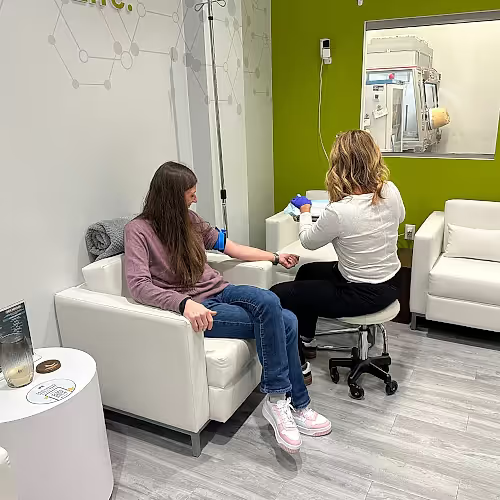
At The DRIPBaR Reston, our team creates a welcoming environment to support your recovery journey. We offer therapies that can be adjusted to your unique needs, whether you are recovering from a recent episode or seeking ongoing support. Licensed providers oversee every session for your safety and comfort. Book your appointment today to discover how our therapies can help you feel more at ease.
Did you know?
Some demyelinating conditions can cause vision changes or muscle weakness before other symptoms appear.
What Are Demyelinating Conditions?
Demyelinating conditions are disorders where the protective myelin sheath around nerve fibers is damaged, slowing or blocking nerve signals. This loss of myelin disrupts communication between the brain, spinal cord, and body, leading to a variety of neurological symptoms. The impact can range from mild sensory changes to significant mobility or cognitive challenges. These conditions affect both the central and peripheral nervous systems.
Triggers may include autoimmune responses, infections, or unknown factors. Management typically involves reducing inflammation and supporting nerve repair through medical and rehabilitative therapies. Early recognition of symptoms allows for timely intervention and better outcomes. Ongoing care and lifestyle adjustments play a key role in maintaining function and well-being.
Symptoms of Demyelinating Conditions
Demyelinating conditions often begin with subtle symptoms that may be mistaken for other issues. Early signs can include tingling, numbness, or mild weakness in the arms or legs. Some people experience changes in vision, such as blurriness or double vision, which may develop suddenly. Fatigue and problems with focus or memory are also common in the early stages.
As the condition advances, symptoms can become more noticeable and interfere with daily activities. Muscle weakness may worsen, making walking or other movements more difficult. Loss of coordination, balance issues, and increased sensitivity to temperature changes can develop. Pain, muscle spasms, or persistent sensory disturbances may also occur.
In more severe cases, demyelinating conditions can lead to partial paralysis or significant mobility limitations. Cognitive changes, such as slower thinking or memory problems, may emerge. The pattern and severity of symptoms depend on which nerves are affected and how quickly treatment begins. Ongoing monitoring and supportive therapies are important for managing these challenges.
Traditional Treatments
Care for demyelinating conditions usually begins with addressing inflammation and immune system activity. Common approaches include corticosteroids to reduce acute inflammation and immunosuppressive medications to help you avoid relapses. In severe cases, plasma exchange may be used to remove harmful antibodies from the blood. Rehabilitation therapies, such as physical and occupational therapy, help restore movement and daily function. Long-term care focuses on managing symptoms and supporting neurological health. Medications may be prescribed for nerve pain, muscle spasms, or fatigue. Nutritional support and regular physical activity are encouraged to promote overall well-being. Working closely with healthcare providers ensures that treatment plans are tailored to individual needs and adjusted as symptoms change.
How IV Therapy May Help
For those seeking extra support beyond traditional care, IV therapy at The DRIPBaR offers a way to deliver nutrients and antioxidants directly into the bloodstream. This approach may help reduce oxidative stress and provide targeted support for nerve health, while allowing for careful dosing tailored to your needs. Each session is supervised by licensed providers to ensure comfort and safety. Our therapies are intended to work alongside, not replace, your current medical treatments. By focusing on hydration, immune balance, and replenishing key nutrients, we aim to help you feel more energized and resilient. Regular sessions may assist with managing fatigue, brain fog, or muscle discomfort. Always consult your healthcare provider to determine if IV therapy is right for your situation.
IV Nutrient Therapy for Nerve Support
Certain IV therapies provide antioxidants and nutrients that may help reduce inflammation and promote nerve repair. These offerings are designed to work with your existing care plan. They offer targeted support for neurological wellness.
Alpha Lipoic Acid (ALA)
Alpha Lipoic Acid (ALA) infusion delivers a potent antioxidant directly to the bloodstream for enhanced cellular energy and protection. It supports mitochondrial function and regenerates antioxidants like vitamins C and E. This therapy aids metabolic balance, nerve protection, and detoxification. It is designed to improve vitality and reduce oxidative stress. Licensed providers administer the infusion to ensure safety and comfort. Regular treatments may support long-term wellness and resilience. This approach offers a comprehensive option for targeted antioxidant support.
Ozone Therapy
Ozone Therapy involves drawing a small amount of blood, mixing it with medical-grade ozone, and reinfusing it to support your body’s natural processes. This treatment aims to enhance immune response, improve oxygen delivery, and activate antioxidant pathways. Sessions are conducted by licensed providers in a comfortable setting. The therapy may help with energy restoration and detoxification. It is designed to complement your overall wellness plan and support recovery. Each visit is personalized to your health goals and comfort. This approach offers a medically guided option for those seeking to optimize their health.
The people who works at the clinics placed ate very professional and the licensed provider dedicated and knows how taking care of the patient! Thank you
lovely clinic team & excellent atmosphere!
Ready to Get Started?
Feel your best with a treatment designed to support your goals! Whether you’re looking for hydration, energy, immune support, recovery, or overall wellness, our team will help you choose the right option and make sure your experience is comfortable from start to finish. Click the Book Appointment button below to pick your reserve a time that fits your schedule.