
Why does joint pain return suddenly?
Many expect joint pain to fade, but gout can cause it to reappear without warning. These episodes disrupt routines and make daily tasks challenging. Finding ways to manage flare-ups is important for long-term comfort.
Restore Comfort and Support Joint Recovery
Integrative recovery strategies.
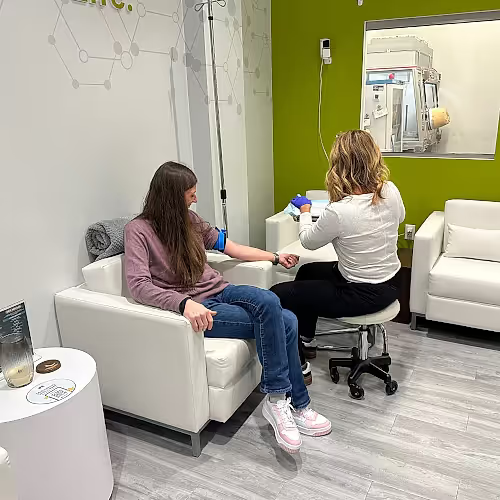
The DRIPBaR Reston provides wellness services that help ease the discomfort of gout. Our approach centers on reducing inflammation, supporting tissue repair, and improving joint flexibility through targeted hydration and nutrients. These therapies are designed to complement your current care plan and may help you feel more comfortable during recovery. By focusing on natural support, we aim to help you regain mobility and reduce the impact of flare-ups.
At The DRIPBaR Reston, clients can access options tailored to their individual needs and wellness goals. Our team works alongside your existing medical management to offer additional relief and promote lasting joint health. We encourage you to book an appointment to discover how our services may support your journey with gout. Take the next step toward greater comfort and mobility today.
Did you know?
Gout is most common in men over 40 and postmenopausal women but can affect anyone with certain risk factors.
Understanding Gout and Its Impact
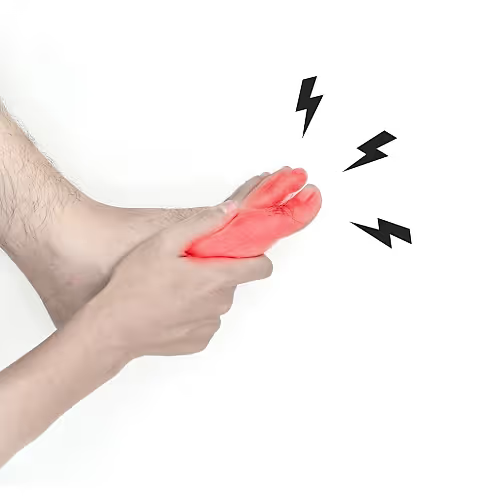
While many expect joint pain to be gradual, gout often strikes suddenly due to uric acid crystal buildup in the joints. This process leads to sharp pain, swelling, and redness, especially in the big toe but also in other joints. Uric acid can accumulate from overproduction, reduced kidney excretion, or both, causing inflammation and discomfort. If not properly managed, gout can progress to chronic joint problems and kidney stones.
Triggers include high-purine diets, dehydration, obesity, certain medications, and metabolic issues like diabetes or hypertension. Effective management addresses both acute attacks and long-term prevention. Staying hydrated, following a balanced diet, and adhering to medical advice are key strategies. Early intervention and ongoing support can help reduce the frequency and severity of gout episodes.
Common Symptoms of Gout
Unlike some joint conditions that develop slowly, gout often presents with rapid, severe pain in one or more joints. The affected area may become swollen, red, and warm, making movement uncomfortable. Flare-ups can last several days and may resolve on their own, but the pain can be intense and limit daily activities.
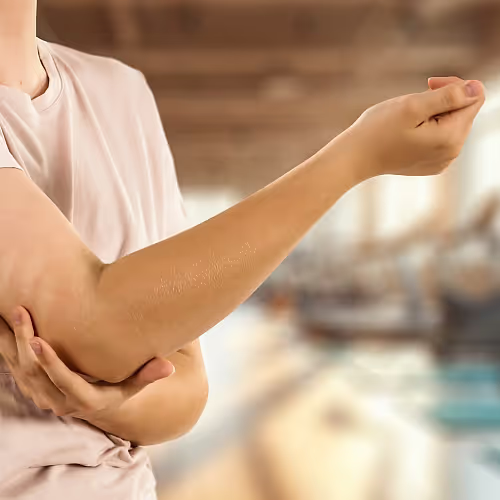
After the initial pain subsides, some people experience lingering stiffness or tenderness in the joint. Repeated episodes can involve additional joints such as the ankles, knees, wrists, or fingers. Over time, frequent attacks may result in chronic inflammation and joint damage if not managed effectively.
Other symptoms can include mild fever, fatigue, or the appearance of tophi, small lumps of urate crystals beneath the skin. Those with gout may also face an increased risk of kidney stones and notice changes in mobility. Recognizing these symptoms early can help guide effective management and reduce complications.
Traditional Treatments
Traditional gout treatment aims to relieve pain and reduce inflammation during flare-ups. Common options include nonsteroidal anti-inflammatory drugs (NSAIDs), corticosteroids, or colchicine to address symptoms quickly. For long-term management, medications that lower uric acid levels, such as allopurinol or febuxostat, may be prescribed to help avoid future attacks. Lifestyle modifications are also important, including staying hydrated, maintaining a healthy weight, and following a low-purine diet. Regular monitoring and medication adjustments may be needed based on individual response. Early and consistent care can help minimize the risk of chronic joint issues and support better quality of life.
How IV Therapy May Help
Our wellness services are designed to support your body’s natural recovery from gout. IV therapies deliver hydration, minerals, and antioxidants directly into your bloodstream, which may help reduce inflammation and promote joint comfort. These targeted infusions can complement your existing care plan and provide an extra layer of support during recovery from flare-ups. We focus on personalized care, offering options that can be tailored to your unique needs and wellness goals. By emphasizing nutrient delivery and hydration, our approach aims to help you maintain mobility and encourage tissue repair. While not a substitute for medical treatment, these services may offer valuable support for those seeking to manage symptoms and enhance overall well-being.
Options to Support Joint Comfort
Wellness offerings can help reduce inflammation and promote joint recovery. These approaches focus on hydration, circulation, and tissue support. Integrative care may provide added comfort during flare-ups.
Soother
Soother provides targeted hydration and essential minerals like magnesium, calcium, and taurine to support the nervous system and muscle function. This infusion helps reduce physical tension and promotes mental balance. It encourages restful sleep and improves mental clarity by replenishing key nutrients. The formula is designed for those seeking a gentle, non-sedating way to recover from stress. It supports overall well-being by addressing both physical and mental fatigue. This approach offers a comprehensive option for relaxation and recovery.
The people who works at the clinics placed ate very professional and the licensed provider dedicated and knows how taking care of the patient! Thank you
lovely clinic team & excellent atmosphere!
Ready to Get Started?
Feel your best with a treatment designed to support your goals! Whether you’re looking for hydration, energy, immune support, recovery, or overall wellness, our team will help you choose the right option and make sure your experience is comfortable from start to finish. Click the Book Appointment button below to pick your reserve a time that fits your schedule.