
Are movement changes affecting you?
Changes in movement or coordination can make daily life more challenging for those with Parkinson’s disease. These shifts may develop slowly, making it difficult to know when to seek extra help. Paying attention to new or worsening symptoms and discussing them with your healthcare provider can support better outcomes.
Restore Balance and Mental Sharpness
Targeted nutrient support.
Managing Parkinson’s disease involves addressing both physical symptoms and mental clarity, which can be affected by changes in the brain. IV therapies at The DRIPBaR are designed to deliver nutrients that may help support neurological balance and reduce oxidative stress. These treatments work alongside your current care plan, aiming to support energy, focus, and overall well-being. Our approach emphasizes safe, supervised care tailored to your needs.
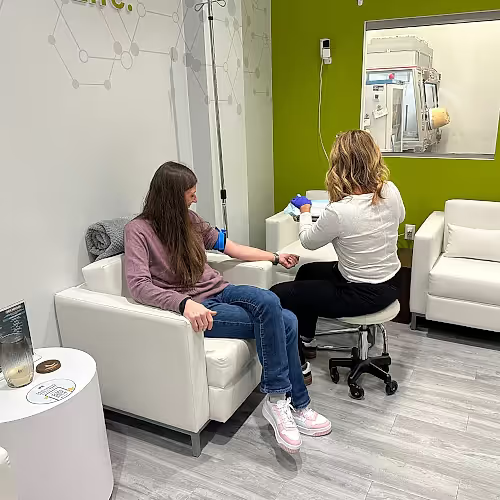
Clients at The DRIPBaR Reston receive personalized attention in a comfortable environment, with licensed providers guiding each session. Options are available to help with fatigue, muscle stiffness, and cognitive support. We recommend discussing any new therapy with your healthcare provider to ensure it fits your overall plan. Book your appointment today to discover how IV therapy may complement your wellness goals.
Did you know?
Parkinson’s disease can cause both motor and non-motor symptoms, including changes in mood, sleep, and digestion.
Understanding Parkinson's Disease
Parkinson’s disease is a long-term neurological condition that results from the gradual loss of dopamine-producing cells in the brain. This loss disrupts the brain’s ability to coordinate smooth muscle movements, leading to symptoms such as tremors, stiffness, and slowed motion. As dopamine levels drop, a range of motor and non-motor symptoms can develop, affecting independence and daily routines. The progression of the condition means that ongoing support and adaptation are often needed.
Factors like genetics, environmental exposures, and oxidative stress may contribute to the development of Parkinson’s disease. While there is no cure, a combination of medication, physical activity, and supportive therapies can help manage symptoms. Early recognition of changes and regular communication with healthcare professionals are important for maintaining quality of life. Building a balanced routine that addresses both physical and emotional needs is key.
Symptoms of Parkinson's Disease
Motor symptoms of Parkinson’s disease often include tremors, muscle rigidity, and slowed movement. These changes can make everyday tasks, such as walking or writing, more difficult. Balance problems may also increase the risk of falls. Symptoms typically develop gradually and can become more pronounced over time.
Non-motor symptoms are common and may involve fatigue, mood disturbances, and sleep issues. Many individuals experience anxiety, depression, or cognitive changes that affect daily life. Digestive problems, like constipation, are also frequently reported. These symptoms can appear before or alongside movement difficulties.
Each person with Parkinson’s disease has a unique symptom pattern, and the severity can vary widely. Some notice only mild changes, while others face more significant challenges. Monitoring symptoms and sharing updates with your healthcare team can help guide adjustments in care. Early intervention and open communication are important for effective management.
Traditional Treatments
Care for Parkinson's disease usually starts with medications that help restore or mimic dopamine in the brain. Levodopa is a common choice, often combined with other drugs to enhance its effectiveness and manage side effects. Dopamine agonists and MAO-B inhibitors are also used to support movement and reduce complications. These medications can help control symptoms but may need to be adjusted as the condition progresses. Physical therapy, occupational therapy, and regular exercise are important components of a comprehensive care plan. These strategies aim to maintain mobility, balance, and independence. Speech therapy can assist with communication or swallowing difficulties. Supportive therapies, including counseling and nutritional support, help address non-motor symptoms and promote overall well-being.
How IV Therapy May Help
IV therapy at The DRIPBaR provides nutrients directly into the bloodstream, aiming to support neurological health and energy production. By delivering antioxidants and essential vitamins, these sessions may help reduce oxidative stress and promote cellular function. Licensed providers supervise each session to ensure safety and comfort. These therapies are intended to work alongside your current medical care, not replace it. People managing Parkinson's disease may find benefit in consistent support for fatigue, muscle stiffness, and mental clarity. IV therapy can be tailored to address immune health and overall vitality. Our services are designed to fit within your broader wellness plan, supporting your goals while respecting your existing treatments. Always consult your healthcare provider before starting new therapies.
Nutrient Support for Neurological Health
Certain IV therapies deliver antioxidants and nutrients that may help support brain function and reduce fatigue. These options are designed to complement traditional care for those facing neurological challenges. Regular sessions can help maintain energy and overall wellness.
Alpha Lipoic Acid (ALA)
Alpha Lipoic Acid (ALA) infusion delivers a potent antioxidant directly to the bloodstream for enhanced cellular energy and protection. It supports mitochondrial function and regenerates antioxidants like vitamins C and E. This therapy aids metabolic balance, nerve protection, and detoxification. It is designed to improve vitality and reduce oxidative stress. Licensed providers administer the infusion to ensure safety and comfort. Regular treatments may support long-term wellness and resilience. This approach offers a comprehensive option for targeted antioxidant support.
NAD+
Nicotinamide Adenine Dinucleotide (NAD) is an intravenous therapy designed to replenish a critical coenzyme involved in cellular energy production and DNA repair. By delivering NAD+ directly into the bloodstream, this treatment supports mitochondrial function and neurological health. It may help improve mental clarity, reduce fatigue, and support resilience against oxidative stress. The therapy is tailored to individuals seeking to enhance their overall vitality and cognitive performance. It offers a focused approach to supporting long-term cellular health and metabolic balance.
Read moreTime Machine
Time Machine is an intravenous therapy that delivers key nutrients like Ascorbic Acid, Taurine, and Magnesium directly into the bloodstream. This approach supports mitochondrial function, reduces oxidative stress, and promotes cellular repair. The infusion also encourages collagen production to improve skin elasticity and vascular health. It is designed to enhance mental clarity and reduce fatigue. Suitable for adults seeking to maintain vitality and support recovery, this therapy complements a balanced wellness plan. It offers a targeted method to address energy and skin health from within.
The people who works at the clinics placed ate very professional and the licensed provider dedicated and knows how taking care of the patient! Thank you
lovely clinic team & excellent atmosphere!
Read more
Ready to Get Started?
Feel your best with a treatment designed to support your goals! Whether you’re looking for hydration, energy, immune support, recovery, or overall wellness, our team will help you choose the right option and make sure your experience is comfortable from start to finish. Click the Book Appointment button below to pick your reserve a time that fits your schedule.
How do lifestyle choices affect the nervous system over time?
Lifestyle choices such as diet, exercise, and sleep can have a significant impact on the nervous system’s health. Regular physical activity and balanced nutrition help maintain nerve function and resilience. Poor habits may contribute to increased stress and slower recovery. Making small, positive changes can support long-term neurological well-being.
How does recovery time vary among people with Parkinson's Disease?
Recovery time can differ based on age, overall health, and the stage of Parkinson’s disease. Some people notice improvements quickly, while others may progress more gradually. Individual responses to therapy and lifestyle changes also play a role. Open communication with your healthcare team helps tailor your plan.
How can I maintain the benefits of magnesium over time?
Consistent intake of magnesium, either through diet or supplements, helps sustain its benefits. Including leafy greens, nuts, and seeds in meals supports healthy levels. Regular monitoring ensures you are meeting your needs. Always follow your healthcare provider’s guidance.