
Is post-chemo fatigue slowing you down?
Fatigue and weakness are common after chemotherapy, often making daily activities more difficult. Many people find that energy levels remain low even after treatment ends. Addressing these challenges early can help support a smoother recovery.
Rebuild Energy and Restore Balance
Personalized recovery support.
Chemotherapy can leave your body depleted, making it harder to regain strength and resilience. IV therapy provides a direct way to deliver vital nutrients, antioxidants, and hydration, supporting your body’s natural recovery processes. This method can help reduce symptoms like tiredness, brain fog, and muscle discomfort while promoting immune balance. Many individuals experience improved well-being and stamina with consistent, tailored sessions.
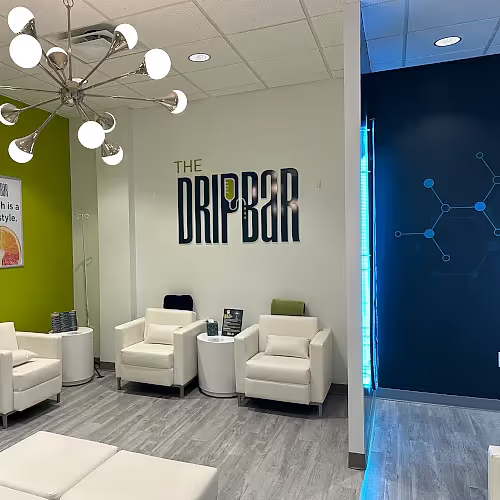
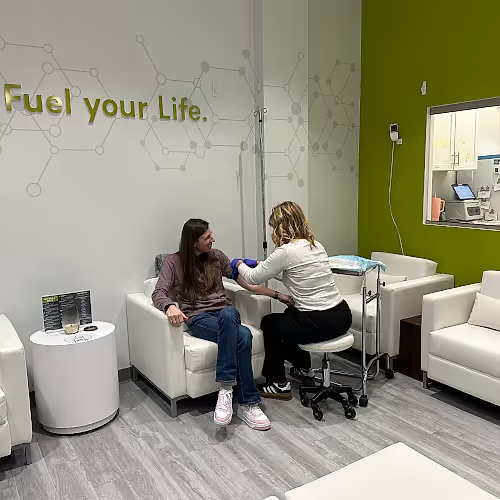
The DRIPBaR Reston offers integrative therapies designed to enhance your recovery and address lingering post-chemo effects. Our team collaborates with you to create a comfortable, supportive environment focused on your needs. Book your appointment today to begin your path toward renewed energy and wellness.
Did you know?
Targeted nutrient replenishment can help address fatigue and immune changes that often follow chemotherapy treatment.
What to Know About Recovery
Chemotherapy recovery is a process that involves restoring the body’s strength and resilience after intensive treatment. While chemotherapy targets cancer cells, it also affects healthy tissues, leading to fatigue, immune suppression, and nutrient loss. These effects can linger, making it important to focus on replenishing what the body needs. Rest, balanced nutrition, and hydration are key elements in supporting recovery.
Factors such as ongoing inflammation, low antioxidant levels, and weakened immunity can slow the recovery process. Managing these challenges often involves a combination of lifestyle changes and supportive therapies. Tracking your energy, sleep, and overall well-being can help you adjust your recovery plan as needed. Consulting with health professionals ensures your approach remains safe and effective.
Common Symptoms of Poor Recovery
Many people experience persistent fatigue and low energy after chemotherapy, which can last for weeks or even months. Muscle weakness, difficulty concentrating, and brain fog are also common, making daily routines more challenging. These symptoms may fluctuate, sometimes improving and then returning unexpectedly. Keeping track of changes in how you feel can help guide your recovery choices.
Nausea, digestive issues, and changes in taste are frequent, sometimes leading to reduced appetite or weight loss. Tingling or numbness in the hands and feet, known as neuropathy, can also develop. Immune suppression increases the risk of infections, so it’s important to be alert for signs of illness. Addressing these symptoms early may help you avoid complications.
Emotional shifts, such as anxiety or sadness, may arise during recovery. Sleep disturbances and changes in daily structure can further affect well-being. Gentle movement, nutritious meals, and supportive therapies may help manage these challenges. Staying connected with your healthcare provider ensures you receive the right support throughout your recovery.
Traditional Treatments
Traditional approaches to chemotherapy recovery focus on managing symptoms and gradually restoring health. This usually includes rest, nutritious meals, hydration, and medications to address specific side effects like nausea or pain. Licensed providers may recommend gentle exercise and stress reduction techniques to promote both physical and mental well-being. Additional support, such as counseling or physical therapy, can help address fatigue, neuropathy, or cognitive changes. Some people benefit from integrative therapies, including IV nutrient infusions, to replenish vitamins and antioxidants. It’s important to work closely with your healthcare team to ensure all treatments are safe and appropriate for your situation. Recovery timelines vary, so ongoing monitoring helps guide adjustments to your care plan.
How IV Therapy May Help
IV therapy offers a way to deliver essential nutrients, antioxidants, and hydration directly into your bloodstream, helping to address fatigue, immune suppression, and nutrient loss after chemotherapy. Some people notice improved energy and mental clarity soon after starting these therapies, while others experience gradual benefits over time. Our licensed providers monitor your progress and adjust your plan as needed for safety and comfort. This approach is designed to complement your recovery and support your body’s natural recovery processes. While IV therapy does not replace standard medical care, it can provide an extra layer of support during recovery. The DRIPBaR’s services work alongside your existing treatments to help promote tissue repair and immune function. Results may vary, and ongoing sessions may be needed to maintain improvements. Our goal is to help you feel your best as you rebuild strength and resilience.
Therapies That Aid Recovery Progress
Specialized IV therapies can help restore nutrients, support immune balance, and encourage tissue repair during recovery. These options are tailored to address common post-treatment symptoms and may ease fatigue and weakness. Our team can help you choose the best approach for your needs.
Allergy
Allergy offers a direct infusion of antioxidants and essential minerals to support immune system regulation and tissue recovery. Ingredients such as Vitamin C, NAC, Magnesium, and Zinc work together to reduce oxidative stress and inflammation. This therapy helps alleviate respiratory discomfort and promotes mental clarity. It is suitable for individuals seeking relief from immune-related symptoms and fatigue. Allergy supports overall wellness by delivering nutrients efficiently and effectively.
Read moreFlu Fighter
Flu Fighter provides a targeted blend of hydration and nutrients to support the body’s natural defenses and recovery processes. Key ingredients like Vitamin C, Magnesium, and Zinc work together to reduce oxidative stress and inflammation. This infusion helps restore energy and supports tissue repair. It is suitable for those recovering from illness or seeking preventive wellness support. The therapy is administered by licensed providers in a comfortable setting. It offers a comprehensive approach to maintaining health and resilience during challenging times.
Read moreHigh Dose Vitamin C
High Dose Vitamin C delivers elevated levels of essential nutrients directly into the bloodstream to support immune function and reduce oxidative stress. The infusion includes ascorbic acid, magnesium, calcium, and potassium, which work together to promote tissue repair and metabolic balance. This therapy is designed for individuals seeking enhanced recovery and wellness support. Each session is customized to meet specific health needs, providing targeted antioxidant and immune benefits. It is often used as a complementary approach during demanding health periods to improve overall vitality and resilience.
The people who works at the clinics placed ate very professional and the licensed provider dedicated and knows how taking care of the patient! Thank you
lovely clinic team & excellent atmosphere!
Read more
Ready to Get Started?
Feel your best with a treatment designed to support your goals! Whether you’re looking for hydration, energy, immune support, recovery, or overall wellness, our team will help you choose the right option and make sure your experience is comfortable from start to finish. Click the Book Appointment button below to pick your reserve a time that fits your schedule.