
Are your emotions hard to control?
Mood imbalance can make daily emotions unpredictable and difficult to manage. This often leads to frustration or feeling disconnected from others. Recognizing changes and seeking support early can help restore a sense of stability.
Find Your Mental Steadiness Again
Pathways to emotional stability.
IV nutrient therapy offers a direct approach to supporting mental wellness by supplying key nutrients that help regulate neurotransmitters and reduce stress-related symptoms. These infusions are designed to encourage a sense of calm, enhance clarity, and promote resilience for those experiencing mood swings or emotional fatigue. By focusing on hydration and replenishing vitamins like B-complex and magnesium, this method can help address underlying factors that contribute to mood fluctuations. Many individuals notice improved mental steadiness and better stress management with regular sessions.
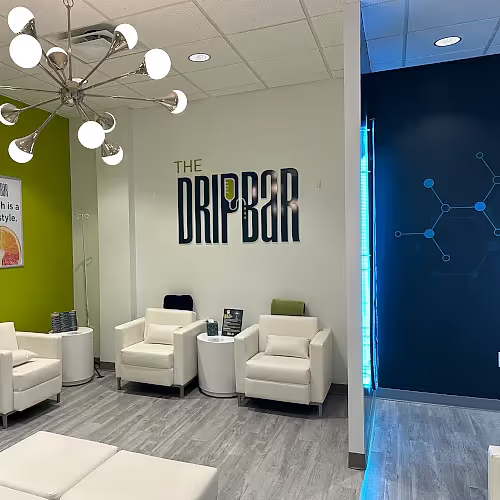
At The DRIPBaR Reston, you can access IV therapies tailored to your unique needs in a welcoming and supportive setting. Licensed providers oversee each session, ensuring your comfort and safety throughout the process. If you are looking for a natural way to complement your mental health strategy, consider exploring these therapies at our location. Book your appointment today to start your journey toward greater mental balance.
Did you know?
Nutrient deficiencies and chronic stress can both play a role in mood imbalance, affecting mental well-being across age groups.
What Causes Mood Imbalance?
Imagine someone facing ongoing stress at work who begins to notice frequent mood swings or a persistent sense of emotional numbness. Mood imbalance refers to lasting changes in emotional state, often linked to shifts in neurotransmitter levels, inflammation, or oxidative stress within the body. The brain’s chemical messengers, such as serotonin and dopamine, play a crucial role in regulating mood and maintaining emotional stability. When these systems are disrupted, it can become harder to manage daily emotions and maintain mental clarity.
Common triggers for mood imbalance include chronic stress, poor sleep, nutritional deficiencies, and hormonal transitions like menopause or postpartum changes. Managing these symptoms often involves a combination of lifestyle adjustments, therapy, and sometimes medical support. Nutrient therapy can be a helpful addition by addressing underlying gaps that may affect mood. Ongoing monitoring and adapting strategies as needs change are important for responsible care.
Symptoms of a Mood Imbalance
Mood imbalance may appear as unpredictable emotional shifts, including irritability, sadness, or anxiety that persist beyond normal ups and downs. Some individuals experience periods of emotional numbness or a lack of motivation, which can interfere with work, relationships, and daily activities. These symptoms are sometimes accompanied by low energy, poor sleep, or difficulty concentrating. Early recognition of these patterns allows for timely intervention and support.
Physical symptoms, such as fatigue, headaches, or muscle tension, may also develop, especially during times of heightened stress. Hormonal changes, including those related to menopause or postpartum periods, can intensify mood swings or emotional sensitivity. Deficiencies in nutrients like B vitamins or magnesium may further contribute to these experiences. Tracking symptom changes over time can help identify potential causes and guide care decisions.
For some, mood changes fluctuate with seasonal shifts or increased life demands, such as reduced sunlight or work stress. Emotional symptoms may also be linked to chronic illnesses or immune system changes. Seeking support is important if mood swings begin to interfere with daily functioning or persist for extended periods. A holistic approach and early intervention can improve overall well-being and mental health.
Traditional Treatments
Standard approaches for managing mood imbalance often include psychotherapy, lifestyle changes, and sometimes medication to address underlying causes. These strategies are designed to improve emotional regulation, reduce stress, and support overall mental health. Nutritional support, such as ensuring adequate intake of B vitamins and magnesium, may be recommended as part of a comprehensive plan. Incorporating regular exercise, mindfulness, and healthy sleep routines can also play a significant role. Some individuals find that additional therapies, like IV nutrient infusions, can complement traditional care by delivering essential vitamins and minerals directly into the bloodstream. This method may help stabilize the nervous system and support neurotransmitter production. Working with licensed providers helps determine the best combination of therapies for each person’s needs. Ongoing monitoring and adjustments are essential to ensure safety and effectiveness.
How IV Therapy May Help
IV therapy at The DRIPBaR delivers targeted nutrients that support mental balance and nervous system health. These infusions provide hydration, vitamins, and minerals that may help reduce oxidative stress, promote neurotransmitter function, and foster resilience. Many people value the convenience of direct nutrient delivery and the ability to integrate this approach with their existing wellness routines. Each session is supervised by licensed providers to ensure safety and comfort. Our services are designed for those experiencing mood swings, chronic stress, or emotional fatigue. By focusing on replenishing key nutrients, IV therapy can help address gaps that contribute to emotional symptoms. The DRIPBaR emphasizes a holistic approach, combining IV therapy with lifestyle and self-care strategies. Regular sessions and ongoing support can help promote long-term emotional stability and well-being.
Nutrient Support for Mental Wellness
Some offerings provide hydration, vitamins, and minerals that help promote mood stability and support nervous system health. These options are intended to complement daily routines and encourage emotional resilience. Consistent use may help maintain clarity and calm.
Oral Supplements
Oral Supplements offer practitioner-guided nutritional support designed to sustain energy, immune function, and metabolic health between treatments. These formulas include essential vitamins, minerals, and antioxidants that promote cellular repair and reduce inflammation. Delivered conveniently to your home, the supplements are tailored to your unique wellness goals. Licensed providers provide ongoing monitoring and adjustments to ensure the right fit for you. This approach helps maintain consistent health benefits and supports long-term vitality. Individual responses may vary, and plans are adapted as needed. The service fits seamlessly into daily routines for sustained wellness.
Read moreSoother
Soother provides targeted hydration and essential minerals like magnesium, calcium, and taurine to support the nervous system and muscle function. This infusion helps reduce physical tension and promotes mental balance. It encourages restful sleep and improves mental clarity by replenishing key nutrients. The formula is designed for those seeking a gentle, non-sedating way to recover from stress. It supports overall well-being by addressing both physical and mental fatigue. This approach offers a comprehensive option for relaxation and recovery.
The people who works at the clinics placed ate very professional and the licensed provider dedicated and knows how taking care of the patient! Thank you
lovely clinic team & excellent atmosphere!
Read more
Ready to Get Started?
Feel your best with a treatment designed to support your goals! Whether you’re looking for hydration, energy, immune support, recovery, or overall wellness, our team will help you choose the right option and make sure your experience is comfortable from start to finish. Click the Book Appointment button below to pick your reserve a time that fits your schedule.