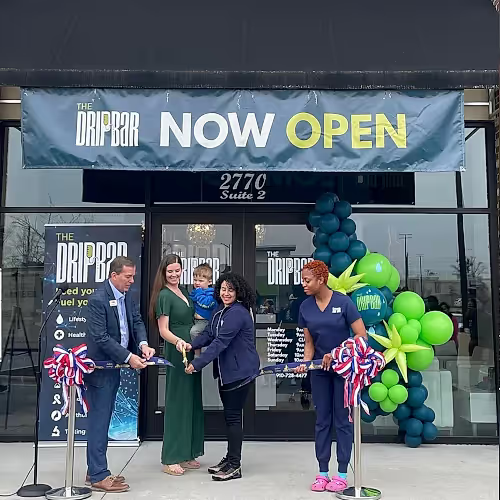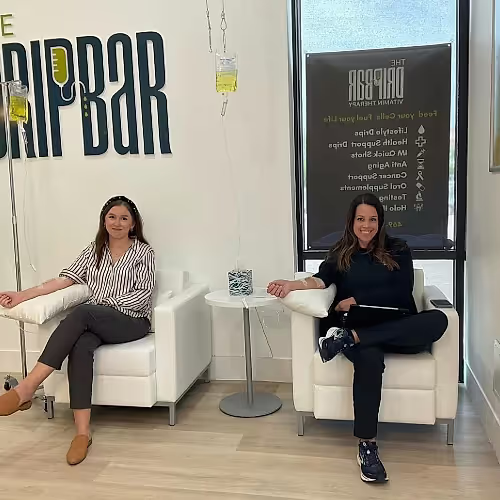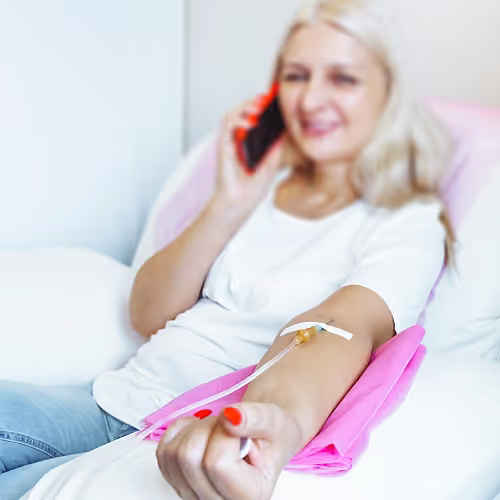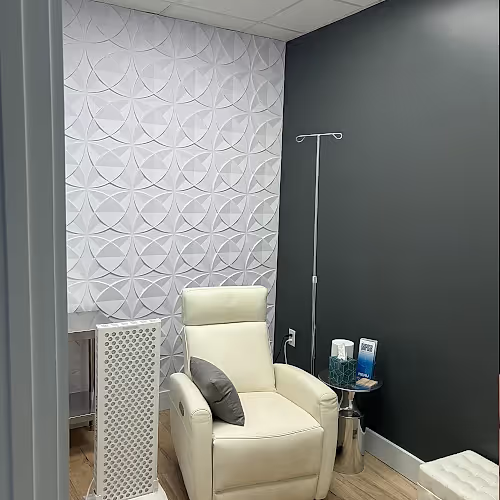

If you are planning your first appointment at The DRIPBaR Ruston, understanding IV Therapy Preparation can help you feel more confident and relaxed. Many guests from Ruston and nearby areas appreciate how a little planning makes their visit smoother and more enjoyable. By focusing on hydration, nutrition, and sharing your health history, you support both comfort and safety. Our team is here to answer questions and guide you through every step. Taking these actions helps ensure your session is tailored to your needs.
What to Eat Before IV Therapy
Choosing the right foods before your IV session can make a significant difference in how you feel. A balanced meal that includes protein, complex carbohydrates, and healthy fats helps keep your blood sugar steady. Avoid skipping meals or trying new foods that might upset your stomach. Instead, opt for familiar options like eggs with toast, oatmeal with yogurt, or a smoothie with fruit and protein. Eating one to two hours before your appointment is ideal for most people. This approach supports comfort and reduces the risk of nausea.
What to Drink Before Your Drip
Hydration is key for a successful IV therapy experience. Drink water steadily the day before and the morning of your appointment. Aim for 16 to 32 ounces in the hours leading up to your session. Avoid overhydrating, as too much water at once can cause discomfort.
IV Therapy Before and After
Preparing for IV therapy involves more than just the session itself. Before your appointment, focus on hydration, a light meal, and calm breathing. Afterward, continue to hydrate and rest if needed. These habits help your body adjust and maximize the benefits of your drip.
Some people notice subtle changes after their IV session, such as increased energy or relaxation. It is normal to feel a bit tired or experience a mild headache if you were dehydrated beforehand. Listen to your body and give yourself time to recover if needed.
NAD+ Infusion Preparation Tips
NAD+ infusions can feel more intense than basic hydration drips, so preparation is especially important. Eat a stable meal before your appointment and hydrate well. Plan for a longer session and practice slow, deep breathing to stay comfortable. If you are prone to migraines or anxiety, let your provider know in advance.
Many people find NAD+ infusions easier to tolerate when the drip rate is adjusted to their comfort. Avoid caffeine and alcohol before your session, as these can increase sensitivity. Arriving calm and well-rested helps you handle temporary sensations like flushing or mild nausea. Communication with your provider is key for a positive experience.
Glutathione Prep
Glutathione is a popular antioxidant add-on for IV therapy, but some people notice a sulfur-like taste or mild nausea during or after the infusion. Eating a light meal beforehand can help minimize discomfort. Hydrating before and after your session supports your body’s response and may reduce any lingering taste. If you have asthma or sulfite sensitivity, inform your provider so they can choose the safest formulation. Many clients find that sipping a citrus beverage after their session helps clear any aftertaste. Keep expectations realistic and focus on wellness support. Your comfort and safety are always the top priorities.
Glutathione infusions are generally well-tolerated with proper preparation. Let your provider know about any previous reactions or concerns. Simple steps can make your session more comfortable.
High Dose Vitamin C Prep
When preparing for high dose vitamin C infusions, following IV Therapy Preparation guidelines is essential for safety and comfort. Discuss any kidney issues or history of kidney stones with your provider before your session. Screening for G6PD deficiency may be recommended for higher doses. Hydrating well and eating beforehand can help minimize side effects such as nausea or headache. These steps support a smoother experience and help you get the most from your appointment.
Vitamin C infusions can vary in intensity depending on the dose and your health history. Always share relevant medical information with your provider. This ensures your session is tailored to your needs.
What to Eat Before Your Drip
Balanced meals before your IV session help stabilize blood sugar. Choose foods you know your body tolerates well. Protein, complex carbs, and healthy fats are ideal. Avoid heavy or unfamiliar dishes.
- Hydration focus: Drink water steadily before your session.
- Balanced meal: Eat a light meal with protein and complex carbs.
- Comfort clothing: Wear sleeves that roll up easily.
- Restroom break: Use the restroom before your drip starts.
- Medication list: Bring a list of your current medications and supplements.
- Allergy disclosure: Inform staff about allergies or sensitivities.
- Relaxation tools: Bring headphones, a book, or a calming activity.
- Arrive calmly: Give yourself time to settle before your appointment.
Before and After Care
Taking care of yourself before and after IV therapy can make a big difference in how you feel. Hydrate, eat a balanced meal, and avoid alcohol or excess caffeine before your session. Afterward, continue to drink water and rest if needed. These habits help your body adjust smoothly.
If you notice any unusual symptoms after your session, let your provider know. Most side effects are mild and temporary. Listening to your body is always important.
Consistency in preparation and aftercare supports the best possible results from your IV therapy. Small steps like planning meals and staying hydrated can help you feel your best. Over time, these habits become second nature. Wellness is a journey, not a quick fix.
What to Avoid Before IV Therapy
Many guests from Ruston find that avoiding certain habits before their IV session leads to a smoother experience. Skipping meals, drinking alcohol within 12 to 24 hours, or overdoing caffeine can increase the risk of side effects like nausea or jitters. Intense workouts right before your appointment may also make it harder to relax and stay hydrated. Instead, focus on gentle movement and calm preparation. These choices help set the stage for a comfortable visit.
It is also important to avoid applying lotions or oils to your arms before your appointment, as these can interfere with tape adhesion. Do not hide symptoms such as fever, stomach upset, or recent illness; always share this information with your provider. Starting new supplements right before your session can make it harder to identify the cause if you feel unwell later. If you have questions about medications or supplements, ask your provider for guidance. Open communication supports your safety and comfort.
IV Therapy and Related Conditions
Certain health conditions require extra attention before IV therapy. If you have kidney disease, heart failure, or are pregnant or breastfeeding, discuss your situation with your provider. Sharing your full health history allows the team to tailor your session safely. This step is especially important for specialty drips.
People with diabetes should avoid fasting and bring a snack in case they feel low during the session. Those with a history of fainting may benefit from eating beforehand and asking to recline during the IV start. If you have experienced difficult IV access in the past, let your provider know early. These details help create a safer, more comfortable experience.
If you are currently under medical treatment, such as chemotherapy, dialysis, or have significant liver disease, always consult your caring for clinician and the IV provider before scheduling a session. Some conditions require extra screening or adjustments to your drip. Openly discussing your health status ensures your session is both safe and effective. Never stop prescribed medications without guidance. Your wellness team is there to support you with individualized care.
Mental Preparation
Arriving calm and relaxed can make IV therapy more comfortable. Take a few slow breaths before your appointment to help settle nerves. If you feel anxious about needles, let the staff know so they can support you. Bringing a calming activity, like music or a guided meditation, may help ease tension. Remember, it is normal to feel a bit nervous, and your comfort is a priority.
Mental preparation is just as important as physical steps. Avoid rushing to your appointment, as stress can make veins harder to access. Give yourself a few extra minutes to arrive and settle in. If you have a history of needle anxiety, ask about techniques like box breathing or distraction methods. The team is there to help you feel at ease.
A calm mindset supports a smoother IV start and a more pleasant overall experience. If you are prone to fainting or feeling lightheaded, mention this before your session begins. Practicing slow, steady breathing can help manage anxiety and keep your body relaxed. Over time, these habits can make each visit feel easier. Building a routine around mental and physical preparation can turn IV therapy into a restorative part of your wellness plan.
If you ever feel unsure about what to expect, do not hesitate to ask questions. Clear communication helps everyone feel more confident. Your comfort and safety are always the top priorities.
Preparation is about making small, thoughtful choices. Each step supports a better experience. Over time, these habits become second nature.
Workout, Travel, and Event Prep
If you plan to work out before your IV session, keep activity light and hydrate afterward. Avoid heavy lifting or intense intervals right before your appointment. For those traveling or recovering from an event, focus on steady hydration and balanced meals in the day leading up to your drip. If you are coming in after a busy week or travel, let the team know so they can help tailor your session. Planning ahead helps you get the most from your visit.
Travel and special events can increase your risk of dehydration. Hydrate in the day before your appointment, not just right before. If you are recovering from a late night or feeling run down, share this with your provider. They can adjust your session to support your needs. Consistent preparation helps you bounce back.
If you are unsure about timing, ask your provider for guidance. They can help you plan your IV session around workouts, travel, or events. Flexibility and open communication make it easier to fit wellness into your routine. Your comfort and recovery are always the focus.
Best Day-Of Checklist
A simple checklist can help you prepare for your IV therapy appointment. Drink water steadily, eat a light meal, and wear comfortable clothing. Bring your medication list and any comfort items you enjoy. These steps support a smooth, relaxing visit.
Following IV Therapy Preparation guidelines on the day of your session helps ensure comfort and safety. Arrive with time to relax and complete any forms. Use the restroom before starting your drip. If you have questions or concerns, share them with your provider. Small actions make a big difference in your experience.
What to Bring for Comfort
Bringing a few personal items can make your IV therapy session more enjoyable. Headphones, a favorite book, or a calming playlist can help you relax. A light snack is useful for longer sessions if allowed. Having your medication and supplement list ready supports safety. These small touches add comfort and peace of mind.
Comfort is personal, so choose items that help you feel at ease. If you are unsure what to bring, ask your provider for suggestions. Some people find that a cozy sweater or blanket makes the lounge more inviting. The goal is to create a relaxing environment that supports your wellness journey. Your experience should feel restorative and stress-free.
Aftercare and Next Steps
After your IV therapy session, continue to hydrate and rest as needed. Pay attention to how your body feels and let your provider know about any lingering symptoms. Most people can return to their usual activities, but listen to your body’s cues. Scheduling your next session can help you stay consistent with your wellness goals. Regular visits support ongoing balance and energy.
If you are considering making IV therapy a regular part of your routine, talk with your provider about the best schedule for your needs. Consistency is key for long-term benefits. Each session builds on the last, supporting your overall wellness. Your provider can help you adjust your plan as your goals evolve. Staying proactive helps you feel your best.
Remember, wellness is about steady progress, not perfection. Small, consistent actions add up over time. Your comfort and safety are always the priority.
If you have questions about preparation or aftercare, reach out to your provider. They are there to support you every step of the way. Open communication helps ensure a positive experience.
Taking the time to prepare for your IV therapy session can make a noticeable difference. Each visit is a chance to support your body and mind. Over time, these habits become part of a sustainable wellness routine.
Ready to Try IV Therapy Preparation?
If you are curious about IV therapy or want to improve your experience, thoughtful preparation is a great place to start. Consider whether these steps fit your lifestyle and wellness goals. Our team is here to answer questions and help you feel comfortable. Every visit is an opportunity to support your health. See if IV therapy is the right fit for you today.
How can I safely return to activity after a chronic condition setback?
After a setback from a chronic condition, it is important to ease back into activity gradually. Start with gentle movement and listen to your body’s signals. Discuss your plans with your healthcare provider to ensure safety. Adjust your routine as needed to support recovery.