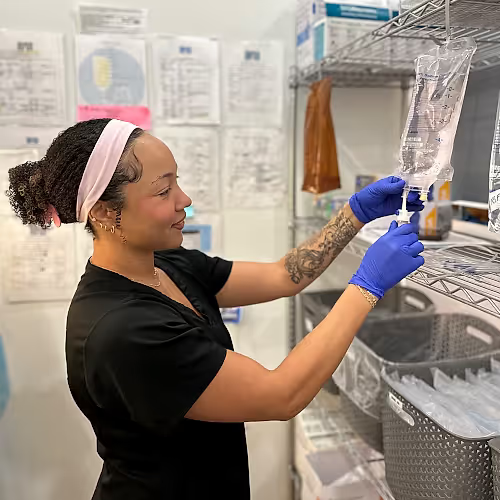

At The DRIPBaR Ruston, we see many guests from the surrounding area who want a proactive way to manage their wellness. Our team recommends building a consistent schedule, and IV Hydration Therapy is often a cornerstone of these routines. By focusing on hydration first, then layering in antioxidants and recovery services, clients can track what works best for them. This approach reduces decision fatigue and helps avoid overdoing it on low-energy days. The goal is to make wellness feel accessible, not overwhelming.
A monthly plan helps reduce crash days and supports better recovery. By repeating similar sessions, you can see what truly makes a difference. This structure also makes it easier to build habits between visits. Consistency, rather than intensity, is key for long-term wellness. Each visit becomes a step toward greater resilience.
Why a Monthly Schedule Matters Most
Demyelinating conditions often bring unpredictable ups and downs, making it hard to maintain steady energy. A monthly schedule helps by building a repeatable rhythm that supports hydration, nutrition, and rest. It reduces the pressure to make decisions when energy is low. This structure also makes it easier to track what works and what does not. Over time, you can adjust your plan based on real results.
Four Pillars of Maintenance
A strong monthly routine is built on four key pillars: hydration-first stability, conservative antioxidant support, recovery services, and ongoing tracking. Hydration-focused IV sessions form the base, helping to address common issues like fatigue and headaches. Antioxidants such as glutathione or alpha lipoic acid are added carefully, one at a time, to support cellular balance. Recovery services like compression therapy or red light therapy help with muscle comfort and stress reduction. Tracking your response after each session helps personalize your plan.
Setting Wellness Goals
Most people living with demyelinating conditions want fewer fatigue crashes, improved cognitive stamina, and better muscle comfort. Choosing one primary and one secondary goal each month makes tracking progress easier. For example, you might focus on reducing fatigue crashes as your main goal, with improved leg comfort as a secondary aim. This approach helps avoid overstacking too many interventions at once. It also helps you see which changes truly make a difference.
Personalizing your plan starts with a quick intake profile. Consider your main symptoms, sleep stability, appetite, hydration habits, and activity level. Matching your schedule to your sensitivity profile leads to better outcomes.
If you are sensitive to stimulation or have fragile sleep, avoid late-day sessions and limit stimulating nutrients. Clients with heat sensitivity should prioritize cooling strategies and avoid heat-based recovery services. Tracking how you feel after each visit helps refine your plan. Over time, you will learn which services support your goals and which to adjust.
Monthly Schedule Blueprint
Week 1 focuses on hydration and routine reset. Week 2 introduces a single antioxidant layer, such as glutathione or alpha lipoic acid. Week 3 emphasizes nervous system recovery with services like red light therapy or hyperbaric oxygen. Week 4 repeats the most effective session, locking in a sustainable cadence.
Each week builds on the last, allowing you to test one variable at a time. This approach avoids confusion about what is helping. It also supports habit formation and reduces the risk of overdoing it.
Three common schedule variants meet different needs: a low-stimulation, sleep-protective plan; a performance and recovery plan for active clients; and a travel-focused plan for those with frequent trips. Each variant adapts the core pillars to fit your lifestyle and sensitivity. For example, the sleep-protective plan avoids stimulating add-ons and prioritizes calm recovery services. The performance plan pairs hydration with compression therapy and antioxidant support. The travel plan uses hydration and recovery services to buffer the effects of travel and long sitting. Matching your schedule to your real-world demands helps you stay consistent.
Safe Stacking and Preparation
Hydration is always the foundation before adding antioxidants or recovery services. Introduce one new element at a time, such as glutathione or a new recovery service, and track your response for 24 to 72 hours. Avoid stacking multiple new therapies on the same day, as this can make it hard to know what caused any changes. Before your visit, eat a light meal with protein, hydrate earlier in the day, and avoid arriving rushed. After your session, continue steady hydration, eat a balanced meal, and keep activity gentle. Approach the 24 hours after your appointment as a recovery window to maximize benefits.
If you feel acutely ill, have a fever, or experience rapidly worsening symptoms, postpone elective wellness sessions and seek medical evaluation. Safety always comes first. Building your plan around real needs and current health helps you get the most out of each visit.
Tracking and Adjusting Progress
Consistent tracking helps you see which parts of your IV Hydration Therapy routine are making a difference. Use a simple daily tracker to rate energy, brain fog, muscle comfort, and sleep quality. Over time, you will notice patterns that guide your next steps. Monthly reviews help you decide what to repeat, what to adjust, and what to let go. This process builds confidence and makes your routine more sustainable. Small adjustments based on real data can lead to better outcomes.
Common mistakes include overstacking new add-ons, scheduling sessions on busy days, and arriving underfed or dehydrated. Avoid chasing clarity with stimulation if it disrupts sleep. Focus on hydration anchors and stable routines for best results.
Monthly Tracking Checklist
A quick daily tracker can simplify your routine. Rate your energy, brain fog, muscle comfort, and sleep quality each day. Note any major triggers or wins. This helps you spot trends and make informed changes. Over time, you will see what truly supports your wellness.
- Energy stability: Track daily energy from 0 to 10.
- Brain fog rating: Record clarity levels each day.
- Muscle comfort: Note tightness or soreness.
- Sleep quality: Mark sleep as good, fair, or poor.
- Hydration habits: Log if hydration was steady or inconsistent.
- Appetite check: Note if appetite was normal or low.
- Stress level: Record stress as low, moderate, or high.
- Activity summary: Track activity level and any DRIPBaR visits.
Optimizing Recovery Services
Recovery services like compression therapy, red light therapy, and hyperbaric oxygen sessions can support comfort and resilience. Choose services that match your main goals and sensitivity profile. Compression therapy is helpful for leg heaviness and travel recovery. Red light therapy supports muscle comfort and relaxation. Hyperbaric oxygen sessions offer structured rest and recovery. Personalize your routine to fit your needs.
If you are heat-sensitive, prioritize cooling strategies and avoid heat-based services. Gentle movement and consistent sleep routines multiply the benefits of recovery services. Always track how you feel after each session. Adjust your plan if you notice sleep disruption or increased fatigue. Over time, you will find the right balance for your body.
Stability and comfort are the main goals. Recovery services work best when paired with hydration and calm routines. Consistency leads to better day-to-day function.
Personalizing Your Monthly Plan
Many clients from Ruston appreciate having a wellness resource close to home, making it easy to fit sessions into their routine. Personalization starts with your intake profile and real-world needs. Choose one or two main goals each month to keep your plan focused. Adjust your schedule based on how you feel after each visit.
If you notice sleep disruption, headaches, or other side effects, simplify your routine and adjust session timing. Communicate openly with your wellness provider about your experiences. Use tracking data to guide changes rather than guessing. Over time, this approach leads to a more effective and sustainable plan.
Safety is always the top priority. Pause your schedule and seek medical evaluation if you experience new or rapidly worsening symptoms. Wellness routines work best when built on a foundation of safety and self-awareness.
Lab-Guided Adjustments
Lab results can help personalize your monthly plan without creating supplement overload. Focus on correcting real gaps, such as B12, vitamin D, or iron, when indicated by your provider. Avoid stacking multiple new supplements at once. Retest after a stable period if changes are made. Labs help decide if certain injections or nutrients are needed regularly or not.
Use lab data to inform your choices, not to chase every possible deficiency. A stable, minimal supplement routine often works best. Discuss any lab priorities with your provider before making major changes.
Tracking lab values alongside your monthly routine can clarify what is helping. If inflammation markers are high or fatigue persists, discuss these findings with your healthcare team. This approach keeps your plan grounded and safe.
Red Flags to Pause
Pause your wellness schedule if you experience new weakness, vision changes, severe dizziness, or confusion. Seek medical care for fever, chest pain, or persistent vomiting. Safety comes before any elective session. If you are unsure, contact your provider before your next visit.
Unusual swelling, leg pain, or redness may signal a clot risk and requires prompt attention. Severe headache with fever or neck stiffness is also a reason to seek care. Always prioritize your health and safety.
Wellness routines are most effective when built on a foundation of safety. Adjust your plan as needed and never ignore warning signs. Your provider can help guide next steps if concerns arise.
Key Takeaways for Success
A monthly maintenance schedule works best when hydration-first routines are the foundation, antioxidants are layered carefully, and recovery services are used as structured rest anchors. Consistency and tracking help you see what truly supports your wellness. Sleep protection, cooling strategies, and gentle movement multiply the benefits of each session. The DRIPBaR Ruston serves as a supportive hub for building these habits.
Choose a routine that fits your lifestyle and sensitivity profile. Adjust as needed based on real results. Over time, you will find a sustainable rhythm that supports your goals.
Remember, wellness is a journey, not a quick fix. Each step you take builds resilience and comfort. Stay patient and trust the process.
If you are ready to start or adjust your monthly plan, reach out to our team for guidance. We are here to support your wellness journey. Check your calendar and find a time that works for you.
Building Your Routine for Resilience
A structured monthly plan helps reduce crash days and supports better recovery. Focus on hydration, conservative antioxidant support, and recovery services that match your needs. Track your progress and adjust as you learn what works. Consistency is more important than intensity. Over time, small changes can make a big difference.
Many clients find that IV Hydration Therapy is a helpful anchor for their monthly routine. By pairing hydration with antioxidant support and recovery services, you can build a plan that supports comfort and resilience. Tracking your response helps you personalize your approach. Remember, the goal is stability and long-term wellness. Adjust your plan as needed for best results.
Next Steps for Wellness
If you are considering a monthly maintenance schedule, start by identifying your main goals. Discuss your needs with a wellness provider and create a plan that fits your lifestyle. Begin with hydration as your foundation, then layer in antioxidants and recovery services one at a time. Track your response and make adjustments based on real results. Over time, you will build a routine that supports your unique needs and helps you feel your best.
Remember to prioritize safety and communicate openly with your provider. If you notice any side effects or changes in your health, adjust your plan promptly. Wellness is a partnership between you and your healthcare provider.
Ready to Begin?
Reach out to The DRIPBaR Ruston to learn more about building your monthly routine. Our team is here to answer questions and help you get started. Check your schedule and find a time that works for you.
You do not have to navigate your wellness journey alone. Support is available every step of the way. Take the first step toward a more consistent and resilient routine.
Whether you are new to IV therapy or looking to refine your current plan, The DRIPBaR Ruston offers a welcoming space to support your goals. Our team is committed to providing care that feels both professional and personal. Each visit is an opportunity to recharge and focus on your well-being. We invite you to experience the benefits of a structured monthly routine. Your comfort and safety are always our top priorities.
Explore Further Resources
For more information on recovery services, see the additional resources below. These links provide helpful context for making informed decisions. Explore them to deepen your understanding.
Learning more about antioxidants and recovery can help you personalize your wellness plan. Use these resources to guide your next steps. Knowledge supports better choices.
Additional Related Resources
For a detailed look at what a hyperbaric oxygen therapy wellness session involves, including its uses and safety considerations, visit this hyperbaric oxygen therapy wellness session overview from Cleveland Clinic.
To better understand how antioxidants like glutathione and alpha lipoic acid work in the body, check out this how antioxidants like glutathione and ALA work explainer from the National Institute of General Medical Sciences.