
Is memory loss affecting your routine?
When memory changes become noticeable, daily life can feel more challenging. These shifts may go beyond normal aging and lead to uncertainty or frustration. Exploring supportive strategies early can help maintain independence and well-being.
Enhance Memory and Cognitive Wellness
Personalized cognitive support.
The DRIPBaR Ruston provides IV therapies that deliver nutrients directly to support brain health and cognitive function. These therapies are designed to help reduce oxidative stress, promote cellular repair, and support energy metabolism in the brain. By addressing key factors that contribute to cognitive decline, our services aim to help you or your loved one maintain mental sharpness and resilience. All sessions are supervised by licensed providers for your comfort and safety.
Our approach at The DRIPBaR Ruston focuses on proactive wellness and integrative care for those experiencing memory or cognitive changes. Whether you are looking to support healthy aging or manage early symptoms, our team can help you explore options tailored to your needs. Book an appointment today to learn how IV nutrient therapy may complement your cognitive health journey. Take the next step toward supporting your brain’s vitality.
Did you know?
Alzheimer’s is responsible for up to 80% of dementia cases in older adults.
Understanding Alzheimer’s & Dementia
Alzheimer’s & Dementia are progressive neurological disorders that disrupt communication between brain cells, leading to memory loss and changes in behavior. These conditions are marked by the buildup of abnormal proteins, which interfere with neuron function and eventually cause brain atrophy. Over time, individuals may struggle with daily tasks, language, and recognizing loved ones. The most common form, Alzheimer’s, is linked to beta-amyloid plaques and tau tangles that damage neurons.
Common triggers include aging, genetics, cardiovascular issues, and chronic inflammation. Managing these conditions often involves a combination of medication, lifestyle changes, and supportive therapies. Early recognition and intervention can help improve quality of life. Ongoing support for both individuals and caregivers is essential for navigating the challenges of cognitive decline.
Symptoms of Alzheimer's & Dementia
Early signs of Alzheimer’s & Dementia often include mild forgetfulness and difficulty recalling recent events. Individuals may have trouble finding words, planning, or completing familiar tasks, which can be mistaken for normal aging. These subtle changes may gradually interfere with daily routines and independence. Recognizing these patterns early can help guide supportive steps.
As the condition advances, symptoms such as confusion about time or place, difficulty recognizing loved ones, and changes in mood or personality become more pronounced. Agitation, anxiety, and withdrawal from social activities are also common. Language difficulties and impaired judgment can make communication and decision-making harder. Increased support from family or caregivers is often needed.
In later stages, individuals may lose the ability to perform basic self-care, such as eating or dressing. Severe disorientation, loss of mobility, and complete dependence on caregivers can develop. Sleep disturbances, hallucinations, and significant behavioral changes may also occur. Each person’s experience is unique, and symptoms can vary in pattern and severity.
Traditional Treatments
Conventional care for Alzheimer's & Dementia focuses on slowing disease progression and managing symptoms. Medications such as cholinesterase inhibitors and memantine are commonly prescribed to help with memory and cognitive function. Behavioral therapies and environmental modifications can support independence and reduce agitation. Lifestyle interventions, including a brain-healthy diet, regular exercise, and mental stimulation, are also recommended. Supportive care addresses sleep disturbances, mood changes, and caregiver stress. Early intervention and a comprehensive care plan can improve quality of life for both individuals and families. While there is no simple answer, combining medical, behavioral, and supportive strategies offers the best chance for maintaining function and well-being. Ongoing research continues to explore new approaches for managing cognitive decline.
How IV Therapy May Help
IV nutrient therapy at The DRIPBaR is designed to deliver key vitamins, minerals, and antioxidants directly into the bloodstream, supporting brain health and energy metabolism. This approach allows for controlled dosing and immediate absorption, which may help reduce oxidative stress and promote cellular repair. Licensed providers oversee each session, ensuring a safe and comfortable experience tailored to individual needs. These therapies are intended to complement traditional care and provide an extra layer of support for cognitive wellness. Clients can benefit from regular sessions that focus on hydration, antioxidant support, and metabolic balance. By addressing factors such as neuroinflammation and mitochondrial function, IV therapy may help manage symptoms like brain fog and cognitive fatigue. The process is designed to be proactive and supportive, helping individuals and caregivers explore additional strategies for maintaining brain function. Our goal is to empower clients with options that fit their unique wellness journey.
Nutrient Support for Brain Wellness
Certain IV therapies provide nutrients that may help support cognitive clarity and brain function. These offerings focus on promoting cellular energy, reducing oxidative stress, and supporting neurological health.
NAD+
Nicotinamide Adenine Dinucleotide (NAD) is a crucial coenzyme involved in energy production and DNA repair within cells. This intravenous therapy delivers NAD+ directly to support mitochondrial function and enhance cellular resilience. By bypassing digestive limitations, it offers faster absorption and targeted metabolic support. The treatment may help improve mental clarity, reduce fatigue, and support overall vitality. It is designed for individuals seeking proactive wellness and cognitive enhancement. NAD+ levels naturally decline with age and stress, making replenishment important for maintaining health. This therapy provides a science-based approach to support long-term cellular function.
Read moreNicotinamide Riboside (NR)
Nicotinamide Riboside (NR) is a vitamin B3 derivative that serves as a direct precursor to NAD+, a coenzyme essential for energy production and DNA repair. Delivered intravenously, this therapy bypasses digestive barriers for rapid absorption and utilization. It supports mitochondrial biogenesis, enhancing energy output and endurance. The infusion also promotes neurological function and cognitive clarity by boosting neuronal metabolism. Additionally, it strengthens antioxidant defenses to protect cells from oxidative damage. This therapy is designed to support overall vitality and healthy aging through targeted cellular support.
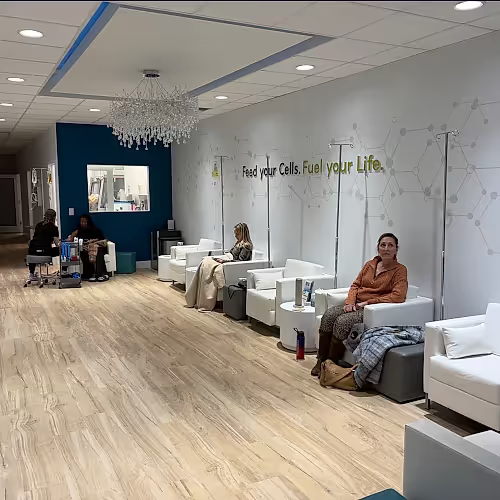
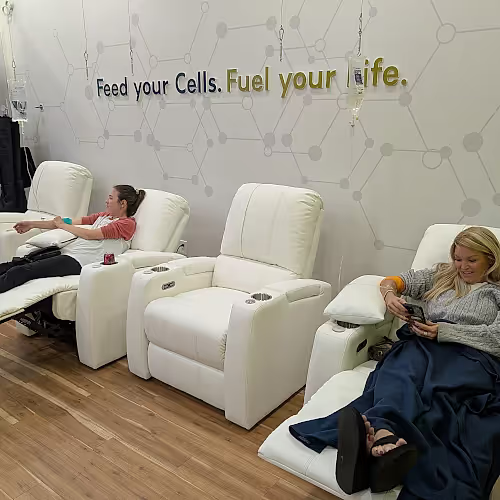
HIGHLY recommend this place. super friendly and accommodating staff, very clean all the way around, has the best seats everrrr and they have all the IV bags and add ons you could ever want! def check this place out(:
Amazing customer service. Very helpful and nice. The process was super easy and quick. The products are wonderful.
Read more
BOOK APPOINTMENT
You must be 15-17 years of age with a parent present
Ready to Get Started?
Feel your best with a treatment designed to support your goals! Whether you’re looking for hydration, energy, immune support, recovery, or overall wellness, our team will help you choose the right option and make sure your experience is comfortable from start to finish. Click the Book Appointment button below to pick your reserve a time that fits your schedule.
Coordinating care for Alzheimer's & Dementia across providers and services?
Coordinating care involves working with licensed providers, therapists, and support services to address all aspects of Alzheimer’s & Dementia. Communication between providers ensures that treatment plans are aligned and comprehensive. Regular updates help adapt care as needs change. This approach supports both individuals and caregivers.
What to expect at your first Alzheimer's & Dementia appointment?
At your first appointment, you will discuss your health history and current symptoms with a licensed provider. The team will review your goals and answer any questions about supportive therapies. A personalized plan will be developed to address your needs. Comfort and safety are prioritized throughout the visit.
Personalizing Alzheimer's & Dementia to fit your wellness goals?
Personalizing support involves identifying your main goals, such as memory maintenance or mood stability. Licensed providers can help tailor therapies and routines to your needs. Combining lifestyle changes with supportive care may enhance results. Regularly reviewing your plan ensures it stays effective.