
Are you struggling to regain strength?
After cancer treatment, many people notice their energy and stamina are not what they used to be. This can make daily routines feel more demanding and slow the recovery process. Exploring supportive options may help you feel more like yourself again.
Restore Energy and Support Recovery
Personalized support for resilience.
Cancer care often brings challenges like fatigue, nutrient loss, and lowered immune function, making recovery more complex. The DRIPBaR Ruston provides IV therapies that deliver hydration, vitamins, and antioxidants directly into your system, aiming to help restore balance and support your body’s natural defenses. These therapies are designed to ease discomfort, promote tissue repair, and help you feel more resilient during and after treatment. Each session is overseen by licensed providers to ensure safety and comfort.
At The DRIPBaR Ruston, you can access tailored infusions that complement your oncology plan and address your unique needs. Our team works with you to monitor progress and adjust your care as needed. Whether you are in active treatment, recovery, or seeking preventive support, these services offer a proactive approach to wellness. Book your appointment today to discover how IV therapy can fit into your recovery journey.
Did you know?
Cancer treatments can deplete essential nutrients, making hydration and replenishment important for ongoing recovery.
Understanding Cancer Care Support
Cancer care focuses on supporting the body’s recovery from treatment and reducing future risk. Cancer is a group of diseases characterized by abnormal cell growth, often requiring interventions like surgery, chemotherapy, or radiation. These treatments target cancer cells but can also impact healthy tissues, leading to fatigue, immune suppression, and nutrient loss. Supportive care aims to replenish what the body needs to recover and maintain strength.
Triggers for complications include the intensity of treatment, overall health, and lifestyle choices. Managing these challenges involves a mix of medical therapies, nutrition, hydration, and physical activity. Preventive strategies such as a balanced diet, regular exercise, and avoiding known risk factors are key. Integrative support, including IV therapy, can help individuals maintain quality of life throughout their cancer journey.
Symptoms of Treatment Side Effects
Cancer and its treatments can bring a range of symptoms, with fatigue being one of the most common. Many people also experience dehydration, muscle weakness, or nerve discomfort, which can make daily activities more challenging. Immune suppression may increase the risk of infections and slow recovery, requiring careful attention to overall health. Monitoring these symptoms helps guide supportive care choices.
Other effects may include inflammation, skin changes, and digestive issues, which vary depending on the type of cancer and treatments used. Emotional changes, such as shifts in mood or mental clarity, can add to the overall burden. Nutrient depletion may contribute to slower recovery and reduced energy, highlighting the need for comprehensive support. Recognizing these patterns can help tailor care to individual needs.
Long-term effects sometimes persist even after treatment ends, with survivors reporting ongoing tiredness, reduced stamina, or lingering discomfort. Hydration issues and nutrient deficiencies may develop, especially if treatments affect appetite or digestion. Regular follow-up and wellness strategies can help manage these challenges and support recovery throughout the recovery process.
Traditional Treatments
Traditional cancer care typically involves a combination of surgery, chemotherapy, radiation, targeted therapies, and immunotherapy. Each approach is selected based on the cancer type, stage, and individual health factors, aiming to eliminate or control cancer cells. These treatments can also affect healthy tissues, leading to side effects that require additional support. Supportive care is an important part of the overall plan, helping to manage symptoms and promote recovery. Supportive measures may include medications for pain or nausea, nutritional support, and therapies to address fatigue or dehydration. Licensed providers and oncology teams monitor progress and adjust care as needed. Integrative options, such as IV therapy, are sometimes used to complement standard treatments and help maintain quality of life. All approaches should be coordinated with your oncology team to ensure safety and optimal outcomes.
How IV Therapy May Help
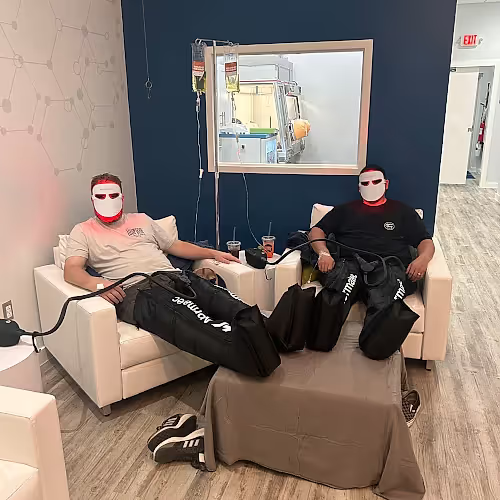
Are you looking for ways to restore energy and support your immune system during or after cancer treatment? IV therapy at The DRIPBaR delivers targeted nutrients and hydration directly into your bloodstream, which may help address fatigue and nutrient depletion. These infusions are designed to support tissue repair, reduce oxidative stress, and promote overall wellness. Licensed providers oversee each session to ensure safety and comfort. Clients often appreciate the convenience of receiving supportive care in a comfortable setting. IV therapy can be tailored to individual needs, focusing on replenishing vitamins, minerals, and antioxidants. This approach is intended to complement, not replace, traditional cancer treatments. By working alongside your oncology team, supportive therapies may help you feel stronger and more resilient throughout your recovery.
Targeted Nutrient Support for Recovery
Certain IV therapies provide antioxidants, vitamins, and minerals that may help support recovery and resilience during cancer care. These offerings are designed to address nutrient depletion, reduce oxidative stress, and support recovery.
Allergy
Allergy therapy delivers key nutrients like Ascorbic Acid, NAC, Magnesium, and Zinc directly into the bloodstream for rapid support. This approach helps reduce inflammation and oxidative stress while promoting tissue repair. It supports balanced immune function and respiratory comfort. Regular treatments may enhance energy and mental clarity. Individual responses vary, so monitoring and professional guidance are recommended.
Glutathione
Glutathione
Glutathione is a critical antioxidant that helps neutralize free radicals and supports the body’s detoxification processes. Delivered intravenously, this therapy bypasses digestive barriers for immediate absorption and effectiveness. It aids in reducing oxidative stress, promoting immune resilience, and supporting skin and tissue repair. Regular support with glutathione can contribute to improved energy levels and overall wellness. This infusion is designed for those seeking proactive, science-based approaches to maintain their health and vitality.
High Dose Vitamin C
High Dose Vitamin C provides a therapeutic infusion of essential nutrients including ascorbic acid, magnesium, calcium, and potassium. This treatment supports the body’s antioxidant defenses and promotes immune resilience. It aids in tissue repair and helps reduce oxidative stress. The infusion bypasses digestive limitations for rapid nutrient absorption. It is suited for individuals seeking enhanced recovery and wellness support. Sessions are tailored to individual needs and overseen by licensed providers. This therapy offers a proactive approach to maintaining health and vitality.
HIGHLY recommend this place. super friendly and accommodating staff, very clean all the way around, has the best seats everrrr and they have all the IV bags and add ons you could ever want! def check this place out(:
Amazing customer service. Very helpful and nice. The process was super easy and quick. The products are wonderful.
BOOK APPOINTMENT
You must be 15-17 years of age with a parent present
Ready to Get Started?
Feel your best with a treatment designed to support your goals! Whether you’re looking for hydration, energy, immune support, recovery, or overall wellness, our team will help you choose the right option and make sure your experience is comfortable from start to finish. Click the Book Appointment button below to pick your reserve a time that fits your schedule.
How can I personalize Cancer Care Support to fit my wellness goals?
Personalizing your approach involves discussing your needs and goals with your healthcare provider. Licensed providers can help tailor supportive therapies to address your specific symptoms and recovery timeline. Regular check-ins allow for adjustments as your needs change. This individualized care helps you achieve the best possible outcomes.
How can I integrate Cancer Care Support into a busy schedule?
Many supportive therapies are designed to be flexible and can be scheduled around work or family commitments. Short, regular sessions may help you maintain energy and resilience without disrupting your routine. Some people find that planning appointments in advance helps them stay consistent with their care. Talk with your provider about options that work best for your lifestyle.