
Is ongoing fatigue limiting your life?
As weeks go by, persistent tiredness can make daily routines harder to manage. Chronic liver disease often leads to ongoing fatigue and low energy. Tracking your energy levels over time can help you notice subtle changes and seek support when needed.
Restore Energy and Support Liver Health
Personalized IV nutrient care.
When chronic liver disease causes ongoing tiredness and nutrient loss, targeted IV nutrient therapy can help replenish essential vitamins and antioxidants. This approach delivers nutrients directly to your bloodstream, supporting detoxification and cellular repair. IV infusions may help reduce fatigue and promote resilience by addressing nutrient gaps. Many people find that regular IV support helps them feel steadier and more able to handle daily activities.
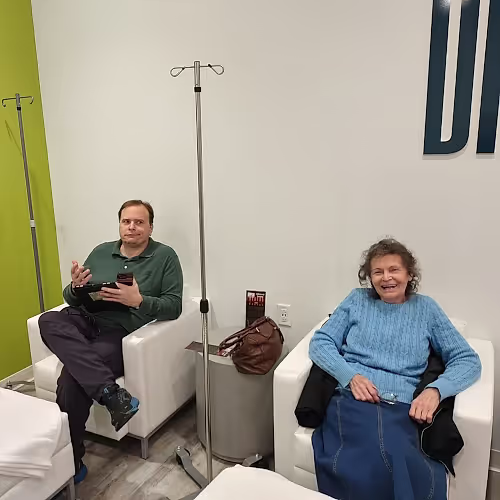
The DRIPBaR Ruston provides a range of IV therapies designed to support those living with chronic liver disease. Licensed providers oversee every session, focusing on your comfort and safety. If you are looking for ways to complement your current care and improve your quality of life, consider scheduling a session. Book your appointment today to discover supportive options for your liver health.
Did you know?
Chronic liver disease can progress for years before noticeable symptoms appear, making early support and monitoring essential.
Understanding Chronic Liver Disease
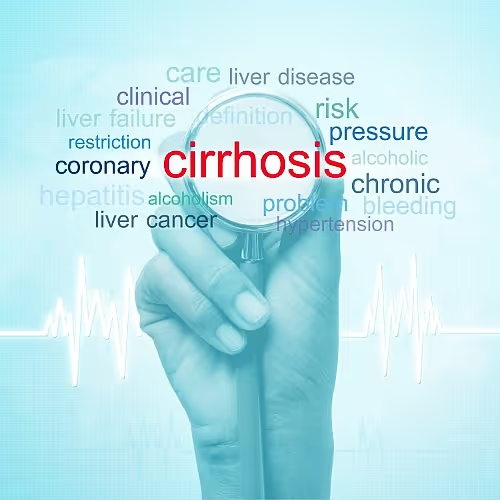
If you notice persistent tiredness or swelling, it could signal changes in liver function. The liver is responsible for filtering toxins, storing nutrients, and supporting metabolism, so ongoing damage can disrupt these vital processes. Over time, chronic liver disease leads to scarring and reduced function, which may cause a buildup of waste and difficulty absorbing nutrients. This gradual decline can impact energy, digestion, and overall health.
Common triggers include viral hepatitis, alcohol use, obesity, and autoimmune conditions. Managing chronic liver disease involves addressing the underlying cause, monitoring for complications, and supporting the body’s natural repair mechanisms. Lifestyle changes, medical therapies, and nutritional support all play important roles in maintaining liver health. Early intervention and ongoing care can help slow disease progression and improve quality of life.
Symptoms of Chronic Liver Disease
Fatigue and low energy often develop gradually in chronic liver disease, making it harder to keep up with daily tasks. As the liver’s ability to process toxins and store nutrients declines, tiredness can become more persistent. Over time, this may affect your motivation and overall sense of well-being. Addressing nutrient depletion, such as with magnesium or B vitamins, may help support energy levels.
Other symptoms can include yellowing of the skin or eyes, swelling in the legs or abdomen, and digestive discomfort. The buildup of toxins may cause changes in skin color, fluid retention, or gastrointestinal issues. Some people experience nausea, loss of appetite, or easy bruising, with symptoms fluctuating based on disease progression. These patterns can make it important to track changes and seek timely support.
Cognitive changes like confusion or difficulty concentrating may occur as the liver’s detoxification capacity declines. Immune weakness and increased susceptibility to infections are also possible. Monitoring for these symptoms and responding early can help manage the impact of chronic liver disease on daily life. Supportive therapies may address discomfort and improve functioning.
Traditional Treatments
A typical care plan for chronic liver disease starts by identifying and caring for the underlying cause, such as using antiviral medications for hepatitis or encouraging lifestyle changes for fatty liver disease. Managing complications like fluid buildup, bleeding, or infections is also a key part of ongoing care. Nutritional support and regular monitoring help maintain health and help avoid further liver damage. Some people may need medications to control symptoms or slow disease progression. Liver transplantation may be considered in severe cases where other treatments are no longer effective. Ongoing care often involves a team approach, including licensed providers and specialists, to monitor liver function and adjust therapies as needed. Patients are encouraged to avoid alcohol, maintain a balanced diet, and stay up to date with recommended vaccinations. Early intervention and consistent follow-up can improve outcomes and quality of life.
How IV Therapy May Help
IV therapy at The DRIPBaR offers a way to deliver targeted nutrients and antioxidants directly into the bloodstream, bypassing digestive challenges that can occur with chronic liver disease. This method allows for precise dosing and rapid absorption, supporting the body’s natural detoxification and repair processes. Supervised sessions provide comfort and safety, making it a supportive option for those experiencing nutrient depletion or fatigue. Personalized regimens are designed to fit your needs and goals. While IV therapy is not a replacement for standard medical treatments, it can be a valuable complement for those seeking additional support. The benefits may include improved hydration, enhanced antioxidant defenses, and better management of liver-related symptoms. Results can vary, and some effects may be noticed quickly, while others develop over time with consistent care. Individuals with chronic liver disease should consult their healthcare provider to determine if IV therapy is appropriate for their situation.
Nutrient Support for Liver Wellness
Certain IV therapies provide antioxidants and nutrients that may help support liver function and reduce fatigue. These offerings are designed to complement existing care and address nutrient imbalances. Regular sessions can help promote overall wellness for those managing liver concerns.
Alpha Lipoic Acid (ALA)
Alpha Lipoic Acid (ALA) is a powerful antioxidant that supports energy production within mitochondria and regenerates other antioxidants such as vitamin C. Delivered intravenously, it offers rapid absorption to enhance cellular protection and metabolic balance. This therapy helps reduce oxidative stress and supports nerve and tissue health. It is suitable for individuals seeking to improve vitality and overall wellness. The infusion is administered under professional care to ensure safety and effectiveness. Regular treatments may support long-term cellular resilience and energy maintenance.
Glutathione
Glutathione
Glutathione is a critical antioxidant that helps neutralize free radicals and supports the body’s detoxification processes. Delivered intravenously, this therapy bypasses digestive barriers for immediate absorption and effectiveness. It aids in reducing oxidative stress, promoting immune resilience, and supporting skin and tissue repair. Regular support with glutathione can contribute to improved energy levels and overall wellness. This infusion is designed for those seeking proactive, science-based approaches to maintain their health and vitality.
Heavy Metal Detox
Heavy Metal Detox is an intravenous therapy formulated to assist the body in removing toxins and supporting cellular health. It includes key nutrients such as Vitamin C, Taurine, and Magnesium that help reduce oxidative stress and improve mental clarity. This treatment supports energy restoration and immune function. It is suitable for individuals seeking to enhance their natural detox pathways. Regular sessions may contribute to sustained wellness and vitality. This therapy fits into a proactive health routine aimed at maintaining balance and resilience.
Read moreTime Machine
Time Machine is an intravenous infusion designed to enhance cellular energy and support overall vitality. It delivers key nutrients such as Ascorbic Acid, Taurine, and Magnesium directly to the bloodstream for improved absorption. This approach supports mitochondrial function, cognitive clarity, and tissue regeneration. Regular use may help reduce fatigue and promote skin health. The infusion provides antioxidant protection and supports immune resilience. It is suitable for individuals seeking proactive wellness and recovery support. This therapy can be part of a balanced health routine for sustained benefits.
HIGHLY recommend this place. super friendly and accommodating staff, very clean all the way around, has the best seats everrrr and they have all the IV bags and add ons you could ever want! def check this place out(:
Amazing customer service. Very helpful and nice. The process was super easy and quick. The products are wonderful.
Read more
BOOK APPOINTMENT
You must be 15-17 years of age with a parent present
Ready to Get Started?
Feel your best with a treatment designed to support your goals! Whether you’re looking for hydration, energy, immune support, recovery, or overall wellness, our team will help you choose the right option and make sure your experience is comfortable from start to finish. Click the Book Appointment button below to pick your reserve a time that fits your schedule.