
Are your symptoms changing unexpectedly?
Many people with demyelinating conditions notice shifts in their symptoms, which can be confusing or concerning. Fluctuations in nerve function may lead to new sensations or changes in strength. Tracking these changes and seeking supportive care can help you adapt more confidently.
Restore Balance and Nerve Vitality
Personalized nerve health support.
Demyelinating conditions may cause unpredictable symptoms that affect your daily life and sense of well-being. The DRIPBaR offers supportive options designed to deliver nutrients and antioxidants that can help ease neurological inflammation and promote nerve repair. These therapies are intended to complement your existing care, focusing on improving comfort, clarity, and resilience. Many clients appreciate the potential for increased energy and steadier recovery with regular sessions.
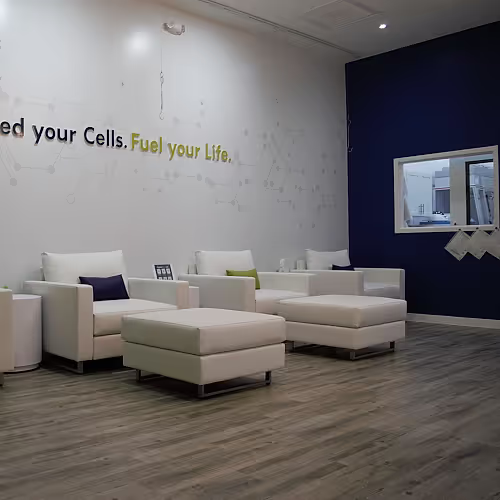
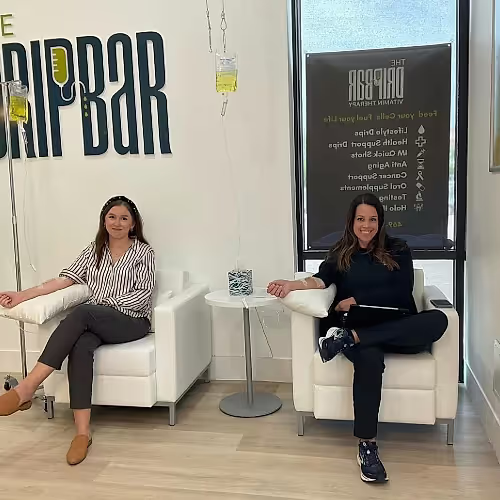
At The DRIPBaR Ruston, you’ll find integrative services that address hydration, immune balance, and neurological support in a safe, welcoming environment. Our team works with you to tailor sessions to your needs, whether you’re newly identified or managing ongoing symptoms. We encourage you to discuss new wellness strategies with your healthcare provider. Book your appointment today to explore supportive care options.
Did you know?
Demyelinating conditions can affect people of any age, often causing changes in movement, vision, or sensation.
Understanding Demyelinating Conditions
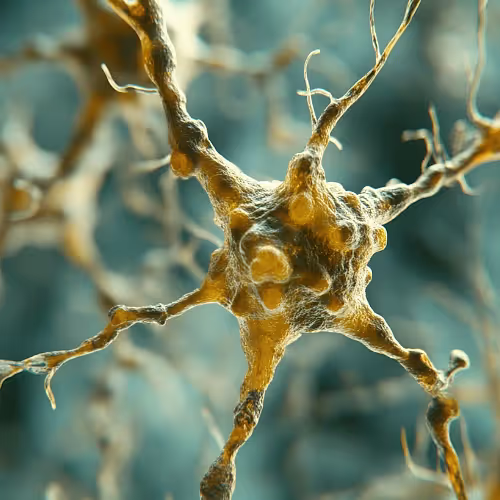
If you or a loved one experience sudden changes in movement, sensation, or vision, demyelinating conditions may be a factor. These neurological disorders involve damage to the myelin sheath, the protective layer that insulates nerve fibers and ensures efficient signal transmission. When myelin is lost, nerve signals slow down or become disrupted, resulting in a variety of symptoms that can affect daily life. The specific pattern and severity of symptoms depend on which nerves are involved.
Common triggers for demyelinating conditions include autoimmune reactions, infections, or sometimes unknown causes. Management usually focuses on reducing inflammation, supporting nerve repair, and addressing symptoms as they arise. Early recognition and a collaborative care plan are important for maintaining function and adapting to changes. Ongoing support, lifestyle adjustments, and regular monitoring help individuals manage evolving needs and maintain quality of life.
Symptoms of Demyelinating Conditions
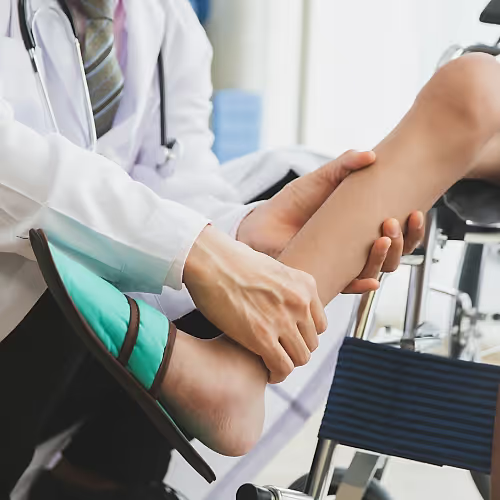
Early symptoms of demyelinating conditions may include tingling, numbness, or mild weakness in the limbs, which can be subtle and easy to overlook. As the condition progresses, people might notice increased muscle weakness, balance problems, or difficulty walking, sometimes accompanied by vision changes such as blurred or double vision. These symptoms can fluctuate, appearing in episodes or persisting for longer periods depending on the underlying cause. Tracking changes and patterns can help guide your care and support.
Fatigue is a frequent and sometimes overwhelming symptom, often unrelated to activity or rest. Cognitive changes, such as trouble concentrating or memory lapses, may also develop over time. Pain, including nerve pain or muscle spasms, can vary in intensity and may be accompanied by emotional changes like anxiety or mood swings. Recognizing these patterns can help you and your healthcare provider adapt your management strategies.
During flare-ups or relapses, symptoms may intensify or new ones may emerge, requiring prompt attention and possible changes in your care plan. Recovery from these episodes can be gradual, with some symptoms improving faster than others. Many people experience periods of stability between relapses, but lingering effects may persist. Ongoing support and regular communication with your healthcare provider are important for managing these unpredictable patterns.
Traditional Treatments
Initial care for demyelinating conditions often focuses on reducing inflammation with medications such as corticosteroids or plasma exchange. These interventions help manage acute episodes and may limit nerve damage. Immunosuppressive drugs are sometimes used to help avoid relapses and stabilize the immune response. Rehabilitation therapies, including physical and occupational therapy, support recovery and help maintain independence. Ongoing management addresses specific symptoms like nerve pain, muscle spasms, or fatigue, often with targeted medications or supportive therapies. Nutritional support, counseling, and adaptive equipment may also be recommended to address daily challenges. Regular monitoring allows for timely adjustments as symptoms evolve. A multidisciplinary approach ensures both physical and emotional needs are met throughout the course of the condition.
How IV Therapy May Help
Many people expect that managing a neurological condition means only focusing on medications, but supportive therapies can play a valuable role. IV therapy at The DRIPBaR delivers targeted nutrients and antioxidants directly into the bloodstream, which may help reduce oxidative stress and promote nerve health. By bypassing the digestive system, these nutrients become available more quickly and consistently. Sessions are supervised by licensed providers to ensure comfort and safety. Our services are designed to complement your existing care plan and can be tailored to your individual needs. While IV therapy is not a replacement for medical care, it may help manage symptoms and support overall wellness when used alongside traditional treatments. The focus is on providing integrative support that fits your lifestyle and goals. Ongoing evaluation helps us adjust your plan as your needs change.
Nutrient Support for Nerve Recovery
Certain therapies provide targeted nutrients and antioxidants that may help reduce inflammation and promote nerve repair. These options can support your recovery and help manage symptoms. Regular sessions may contribute to improved comfort and clarity.
Alpha Lipoic Acid (ALA)
Alpha Lipoic Acid (ALA) is a powerful antioxidant that supports energy production within mitochondria and regenerates other antioxidants such as vitamin C. Delivered intravenously, it offers rapid absorption to enhance cellular protection and metabolic balance. This therapy helps reduce oxidative stress and supports nerve and tissue health. It is suitable for individuals seeking to improve vitality and overall wellness. The infusion is administered under professional care to ensure safety and effectiveness. Regular treatments may support long-term cellular resilience and energy maintenance.
HIGHLY recommend this place. super friendly and accommodating staff, very clean all the way around, has the best seats everrrr and they have all the IV bags and add ons you could ever want! def check this place out(:
Amazing customer service. Very helpful and nice. The process was super easy and quick. The products are wonderful.
BOOK APPOINTMENT
You must be 15-17 years of age with a parent present
Ready to Get Started?
Feel your best with a treatment designed to support your goals! Whether you’re looking for hydration, energy, immune support, recovery, or overall wellness, our team will help you choose the right option and make sure your experience is comfortable from start to finish. Click the Book Appointment button below to pick your reserve a time that fits your schedule.