
Is bladder discomfort affecting your routine?
Bladder discomfort and frequent urges can interrupt your daily activities. Many people notice that symptoms come and go, making it hard to predict good days. Exploring gentle support options can help you find more consistent comfort.
Find Relief and Restore Pelvic Comfort
Supportive care for bladder relief.
The DRIPBaR Ruston provides therapies designed to help manage interstitial cystitis by focusing on reducing inflammation and supporting bladder comfort. Our approach delivers nutrients that may soothe the bladder lining and promote immune balance. Many people find that regular sessions help them feel more resilient to symptom triggers. We tailor each plan to work alongside your current care for a holistic approach.
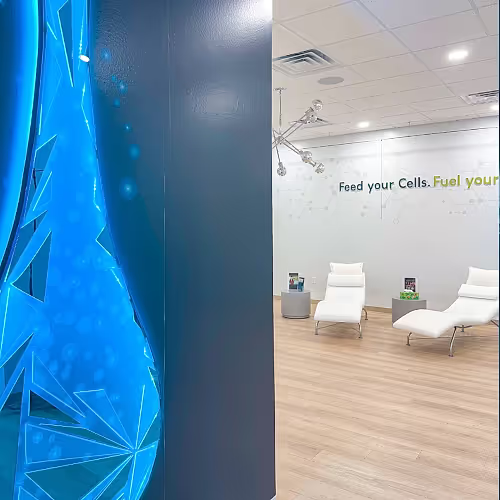
Our team at The DRIPBaR Ruston offers a welcoming space where you can explore adjunctive therapies for ongoing relief. We collaborate with you to enhance your comfort and stability. If you are interested in new ways to support your bladder health, book your appointment today. Take the next step toward improved daily wellness.
Did you know?
Interstitial cystitis is not caused by infection, so antibiotics are usually not effective for symptom relief.
Understanding Interstitial Cystitis
Interstitial cystitis is a chronic condition marked by bladder pain, pressure, and frequent urges to urinate without infection. The cause is not fully understood, but factors like bladder lining defects, immune activity, and nerve sensitivity may play a role. Symptoms can range from mild discomfort to severe pain, affecting daily routines and mental well-being. Both women and men can experience this condition, though it is more common in women.
Triggers for flare-ups include certain foods, stress, hormonal changes, and physical activity. Management often involves a combination of dietary adjustments, physical therapy, and supportive therapies. Tracking symptoms and identifying personal triggers can help guide effective strategies. A holistic approach can support both symptom relief and long-term wellness.
Symptoms of Interstitial Cystitis
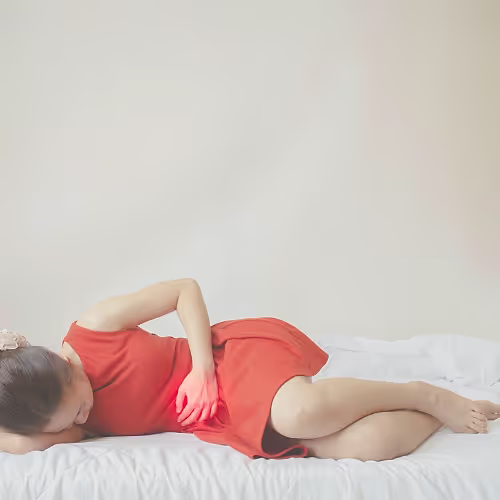
Many people with interstitial cystitis experience ongoing pelvic pain, which may feel like pressure or aching in the bladder area. Urinary urgency and frequent trips to the bathroom, often with small amounts of urine, are also common. These symptoms can disrupt sleep and make it difficult to focus on daily activities. The unpredictable nature of discomfort can lead to frustration and emotional stress.
Pain during sexual activity and a constant feeling of bladder fullness are additional symptoms some individuals face. Flare-ups may be triggered by certain foods, beverages, or stress, causing symptoms to intensify. Hormonal changes and physical activity can also influence the severity of discomfort. The impact on daily life can be significant, affecting work, relationships, and social activities.
Some people notice that symptoms improve with lifestyle changes, while others require more comprehensive management. Tracking patterns over time can help identify effective strategies. Open communication with healthcare providers is important for ongoing care. Personalized approaches allow for adjustments as needs change.
Traditional Treatments
Conventional care for interstitial cystitis often starts with lifestyle changes, such as avoiding trigger foods and practicing stress management. Pelvic floor physical therapy is commonly recommended to address muscle tension and improve bladder control. Oral medications may be prescribed to help reduce pain, inflammation, or urinary urgency. Bladder instillation therapies, where soothing solutions are placed directly into the bladder, can also provide relief for some individuals. Supportive therapies like IV nutrient infusions may complement traditional care by addressing inflammation and replenishing nutrients. Care plans are highly individualized, as symptoms and triggers vary from person to person. Regular follow-up with healthcare providers helps monitor progress and adjust strategies as needed. While there is no simple answer, ongoing support can improve comfort and quality of life.
How IV Therapy May Help
The DRIPBaR’s wellness services offer targeted nutrients that may help reduce inflammation and support tissue repair for those experiencing bladder discomfort. IV therapy allows for controlled dosing and direct delivery of vitamins, minerals, and antioxidants, which can complement your existing care plan. Many clients value the calming environment and the opportunity to address stress-related triggers through supportive therapies. Our focus is on safety, comfort, and individualized care. These therapies are not a substitute for medical treatment, but they can be a valuable part of a holistic wellness strategy. Regular sessions may help maintain hydration, promote relaxation, and support immune balance. Licensed providers are available to answer questions and guide you through each step. We encourage you to consult your healthcare provider before beginning any new wellness program.
Supportive Therapies for Bladder Wellness
Certain wellness therapies can help reduce inflammation, ease muscle tension, and support relaxation for those managing bladder discomfort.
Soother
Soother is a restorative intravenous infusion that delivers key nutrients like Magnesium, Calcium, and Taurine directly into the bloodstream. This approach supports muscle relaxation, mental balance, and improved sleep quality. The infusion bypasses digestive limitations for faster nutrient absorption. It is designed for individuals seeking relief from stress, tension, and fatigue. The formula promotes mental clarity and physical recovery. This treatment offers a gentle way to restore balance and resilience. It fits well within a proactive wellness routine.
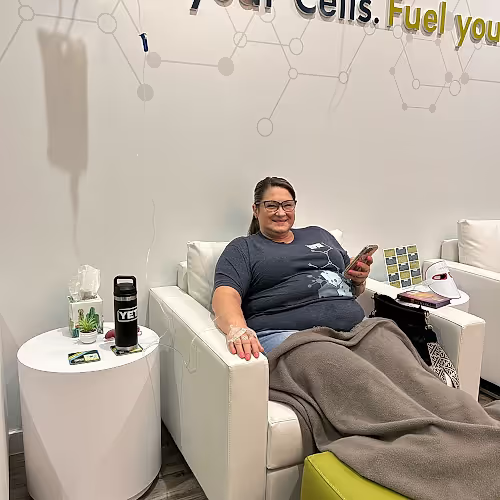
HIGHLY recommend this place. super friendly and accommodating staff, very clean all the way around, has the best seats everrrr and they have all the IV bags and add ons you could ever want! def check this place out(:
Amazing customer service. Very helpful and nice. The process was super easy and quick. The products are wonderful.
BOOK APPOINTMENT
You must be 15-17 years of age with a parent present
Ready to Get Started?
Feel your best with a treatment designed to support your goals! Whether you’re looking for hydration, energy, immune support, recovery, or overall wellness, our team will help you choose the right option and make sure your experience is comfortable from start to finish. Click the Book Appointment button below to pick your reserve a time that fits your schedule.