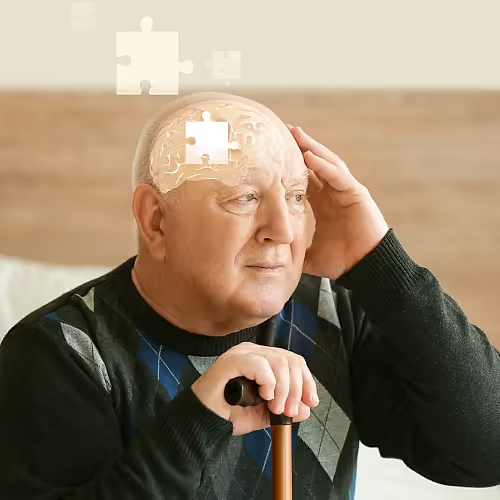

Is managing symptoms becoming unpredictable?
Fluctuating symptoms can make planning your day feel overwhelming. Some days, movement or energy levels shift unexpectedly, adding stress to routines. Finding gentle support options may help you adapt and feel more at ease.
Balanced Support for Changing Needs
Gentle, integrative symptom support.
The DRIPBaR Ruston offers IV therapies designed to provide targeted nutritional support for those living with Parkinson’s Disease. Our approach focuses on helping manage fatigue, oxidative stress, and mental clarity, while working alongside your existing care plan. Each session is overseen by licensed providers to ensure comfort and safety. We aim to help you feel more resilient and supported as you navigate daily challenges.
Clients can explore integrative options at The DRIPBaR Ruston to complement their wellness routines. Our therapies are not a substitute for prescribed medications but may offer additional support for symptom management. Sessions are scheduled for your convenience and tailored to your needs. Book your appointment today to discover how IV therapy can fit into your wellness journey.
Did you know?
Parkinson’s Disease can impact both movement and non-motor functions, such as mood, sleep, and digestion.
Understanding Parkinson's Disease
What causes the gradual changes in movement and mood seen in Parkinson’s Disease? This progressive neurological disorder results from the loss of dopamine-producing neurons, which are vital for smooth muscle control. As dopamine levels fall, symptoms like tremors, rigidity, and slowed movement become more noticeable. Over time, non-motor symptoms such as fatigue, mood changes, and cognitive shifts may also develop.
Genetics, environmental exposures, and oxidative stress are believed to contribute to its onset. Managing Parkinson’s Disease often involves a combination of medication, physical activity, and supportive therapies. Early intervention and regular adjustments to care can help maintain independence. Integrative approaches, including wellness therapies, may be used alongside standard treatments to address evolving needs.
Symptoms of Parkinson's Disease
Unlike some conditions that appear suddenly, Parkinson’s Disease often starts with subtle changes such as mild tremors or muscle stiffness. These early signs can make fine motor tasks, like writing or buttoning clothes, more challenging. As the condition progresses, movement may slow and balance can be affected, increasing the risk of falls. Muscle rigidity and a shuffling walk are also common, making daily mobility more difficult.
Non-motor symptoms are frequent and can include persistent fatigue, low mood, or anxiety. Many people experience changes in sleep patterns, such as trouble falling asleep or staying asleep. Cognitive changes, like difficulty concentrating or mild memory loss, may develop over time. Digestive issues, such as constipation, are also reported by many individuals.
Symptoms can vary widely from person to person and may fluctuate throughout the day. Stress, illness, or medication changes can make symptoms more noticeable. Tracking these changes with your healthcare provider can help guide management strategies. Early recognition and proactive support are key to maintaining comfort and independence.
Traditional Treatments
What are the main approaches to managing Parkinson's Disease? Standard care typically starts with medications that help replace or mimic dopamine, such as levodopa and dopamine agonists. These drugs can improve movement and reduce symptoms like tremors and rigidity. Over time, adjustments may be needed to address changing symptoms or side effects. Physical, occupational, and speech therapies are often recommended to support strength, mobility, and communication. Lifestyle changes, including regular exercise and a balanced diet, can further support well-being. Support groups and counseling may help address mood changes and provide social connection. Some individuals explore complementary therapies, such as IV nutrient infusions, as part of a broader wellness plan. Ongoing communication with healthcare providers ensures that care remains tailored to evolving needs.
How IV Therapy May Help
For those navigating changes in movement or energy, IV therapy at The DRIPBaR offers a way to deliver targeted nutrients directly into the bloodstream. This approach may help support neurological health, reduce oxidative stress, and promote energy metabolism in a controlled and consistent manner. Sessions are tailored to individual needs and are overseen by licensed providers for safety and comfort. Many clients find that regular IV therapy can complement their existing wellness routines and help them feel more supported. While IV therapy is not a replacement for traditional Parkinson's Disease treatments, it can be a valuable addition to a holistic care plan. By focusing on hydration, antioxidants, and essential nutrients, these therapies aim to support overall well-being and quality of life. Tracking changes in energy, mood, or daily function over time can help you and your healthcare provider evaluate the benefits. Consistency and open communication are key to maximizing positive outcomes.
Nutrient-Based Support for Neurological Health
Certain IV therapies offer targeted nutrients that may help support neurological function, reduce oxidative stress, and promote energy balance for those managing Parkinson’s Disease.
Alpha Lipoic Acid (ALA)
Alpha Lipoic Acid (ALA) is a powerful antioxidant that supports energy production within mitochondria and regenerates other antioxidants such as vitamin C. Delivered intravenously, it offers rapid absorption to enhance cellular protection and metabolic balance. This therapy helps reduce oxidative stress and supports nerve and tissue health. It is suitable for individuals seeking to improve vitality and overall wellness. The infusion is administered under professional care to ensure safety and effectiveness. Regular treatments may support long-term cellular resilience and energy maintenance.
NAD+
Nicotinamide Adenine Dinucleotide (NAD) is a crucial coenzyme involved in energy production and DNA repair within cells. This intravenous therapy delivers NAD+ directly to support mitochondrial function and enhance cellular resilience. By bypassing digestive limitations, it offers faster absorption and targeted metabolic support. The treatment may help improve mental clarity, reduce fatigue, and support overall vitality. It is designed for individuals seeking proactive wellness and cognitive enhancement. NAD+ levels naturally decline with age and stress, making replenishment important for maintaining health. This therapy provides a science-based approach to support long-term cellular function.
Read moreTime Machine
Time Machine is an intravenous infusion designed to enhance cellular energy and support overall vitality. It delivers key nutrients such as Ascorbic Acid, Taurine, and Magnesium directly to the bloodstream for improved absorption. This approach supports mitochondrial function, cognitive clarity, and tissue regeneration. Regular use may help reduce fatigue and promote skin health. The infusion provides antioxidant protection and supports immune resilience. It is suitable for individuals seeking proactive wellness and recovery support. This therapy can be part of a balanced health routine for sustained benefits.
HIGHLY recommend this place. super friendly and accommodating staff, very clean all the way around, has the best seats everrrr and they have all the IV bags and add ons you could ever want! def check this place out(:
Amazing customer service. Very helpful and nice. The process was super easy and quick. The products are wonderful.
Read more
BOOK APPOINTMENT
You must be 15-17 years of age with a parent present
Ready to Get Started?
Feel your best with a treatment designed to support your goals! Whether you’re looking for hydration, energy, immune support, recovery, or overall wellness, our team will help you choose the right option and make sure your experience is comfortable from start to finish. Click the Book Appointment button below to pick your reserve a time that fits your schedule.
How does Parkinson's Disease relate to immune health?
Parkinson’s Disease can affect immune function, sometimes increasing vulnerability to illness. Supporting overall health with balanced nutrition and regular activity is important. Some therapies aim to reduce inflammation and oxidative stress. Monitoring changes helps guide appropriate care.