
Is lingering soreness slowing your progress?
After exercise, the body often experiences muscle soreness and fatigue, which can delay your return to activity. Noticing these signs means your recovery process may need extra support. Paying attention to how you feel after workouts helps you maintain consistency and avoid setbacks.
Replenish and Recharge After Every Workout
Restore energy and balance.
Following physical activity, your body needs to repair muscle fibers, restore hydration, and replace lost nutrients for optimal recovery. The DRIPBaR offers specialized support to help reduce soreness, improve hydration, and promote energy renewal. Our approach addresses the unique needs of active individuals seeking to optimize their recovery. By focusing on efficient nutrient delivery and fluid balance, we help you feel ready for your next challenge.
At The DRIPBaR Ruston, you can access services designed to support your body’s natural recovery process. Our team tailors each visit to your activity level and goals, helping you minimize downtime and maintain progress. Experience the benefits of advanced hydration and nutrient support in a comfortable, supervised environment. Book your appointment today to take the next step in your recovery.
Did you know?
Even mild dehydration after exercise can slow muscle repair and increase fatigue.
Understanding Post-Workout Recovery
After exercise, your body begins repairing muscle tissue, restoring fluid balance, and replenishing energy stores. This recovery phase is influenced by hydration, nutrient intake, and rest, all of which help reduce soreness and support a faster return to activity. Muscle fibers experience microscopic damage during workouts, and fluids and electrolytes are lost through sweat. Addressing these needs early can make recovery more effective.
Common triggers for delayed recovery include intense training, inadequate hydration, and insufficient nutrition. Managing recovery involves listening to your body, prioritizing rest, and supporting muscle repair with balanced nutrients. Incorporating gentle movement and regular sleep can also aid the process. Consistent attention to these elements helps maintain performance and lowers the risk of overtraining.
Symptoms of Delayed Recovery
Muscle soreness, stiffness, and fatigue are common after strenuous activity, often appearing within hours and lasting for several days. These symptoms may include mild swelling or reduced range of motion in the muscles used most during exercise. Paying attention to these early signs helps guide your recovery approach and avoid pushing too hard. Recognizing when discomfort is more than expected can help you adjust your routine for better results.
In addition to physical symptoms, some people notice decreased motivation or difficulty concentrating after intense workouts. Fatigue may be more pronounced following endurance events or heavy lifting sessions. Occasional muscle cramps or headaches can occur if fluids or electrolytes are not replaced promptly. Tracking how you feel after different workouts can help you identify patterns and make informed choices.
Inadequate recovery can sometimes lead to persistent soreness, increased risk of injury, or delayed progress. Monitoring your body’s response to exercise and recovery efforts is essential for long-term improvement. If symptoms do not improve with standard self-care, seeking additional support or professional advice may be beneficial. Balancing activity with recovery helps protect your progress and overall health.
Traditional Treatments
Standard post-workout recovery methods include rest, hydration, balanced nutrition, and gentle movement to support muscle repair. Many people use stretching, foam rolling, and adequate sleep to help reduce soreness and restore energy. These approaches can be tailored to your needs and activity level. Adjusting your routine based on progress is important for effective recovery. Some individuals add therapies like massage, cold therapy, or compression to further support recovery. While these options may offer extra comfort, their effectiveness varies from person to person. Listening to your body and seeking guidance if symptoms persist is key. Combining multiple strategies often leads to the best results for ongoing recovery and performance.
How IV Therapy May Help
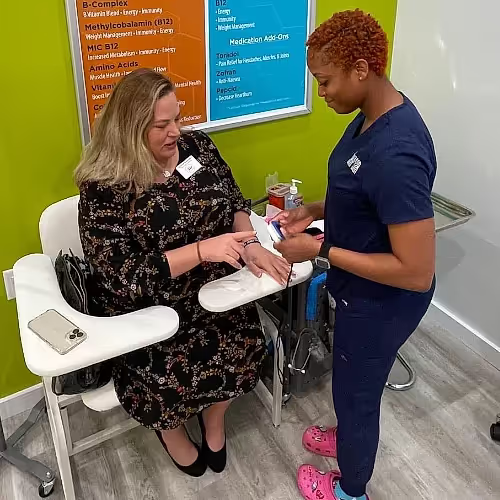
If you notice lingering fatigue or soreness after exercise, targeted support can help address hydration and nutrient needs more efficiently. The DRIPBaR’s services deliver fluids and essential nutrients directly to your body, supporting muscle repair and energy restoration. This approach may help reduce downtime and promote a quicker return to your activities. Our team provides a comfortable environment with individualized care and professional supervision. While results can vary, many clients find that combining hydration, nutrients, and rest leads to improved recovery outcomes. Our offerings are designed to complement your existing routine, providing an extra layer of support for those with active lifestyles or specific goals. Regular sessions may help maintain progress and reduce the risk of overtraining. We encourage you to discuss your recovery needs with our team for a personalized plan.
Targeted Options for Active Recovery
Specialized hydration and nutrient services can help replenish fluids, restore electrolytes, and support muscle repair after exercise. These offerings are designed for those seeking recovery and reduced soreness. Choosing the right support can help you return to activity feeling stronger.
100% Hydration
Lactated Ringers
100% Hydration uses an intravenous solution to rapidly restore fluid and electrolyte balance. Lactated Ringers provide essential minerals that support nerve and muscle function. This therapy bypasses the digestive system for faster absorption and helps improve energy levels and physical recovery. It supports cardiovascular health by optimizing blood volume and circulation. Suitable for those seeking enhanced hydration and wellness support, this treatment offers a practical approach to maintaining balance and resilience.
Read morePowerpack
Powerpack provides a targeted blend of vitamins, minerals, and amino acids to support physical and cognitive performance. This infusion delivers nutrients such as Ascorbic Acid, Magnesium, and L-Carnitine directly into the bloodstream for rapid absorption. It helps reduce fatigue, enhance muscle recovery, and improve mental focus. Suitable for active individuals and those needing nutritional replenishment, this therapy supports overall wellness and stamina. The formula is designed to aid energy production and immune resilience. Regular use may contribute to sustained vitality and improved recovery times.
Read moreVitality
Vitality provides a targeted blend of nutrients to help restore physical energy and improve mental focus. It supports muscle repair and circulatory health through ingredients like Magnesium and B-Complex vitamins. Delivered intravenously, this therapy bypasses digestive limitations for rapid nutrient absorption. It is suitable for those with active lifestyles or recovering from fatigue. Vitality aims to enhance overall stamina and cognitive performance. This infusion offers a balanced approach to wellness and recovery. Many clients seek it to support sustained energy and resilience.
HIGHLY recommend this place. super friendly and accommodating staff, very clean all the way around, has the best seats everrrr and they have all the IV bags and add ons you could ever want! def check this place out(:
Amazing customer service. Very helpful and nice. The process was super easy and quick. The products are wonderful.
Read more
BOOK APPOINTMENT
You must be 15-17 years of age with a parent present
Ready to Get Started?
Feel your best with a treatment designed to support your goals! Whether you’re looking for hydration, energy, immune support, recovery, or overall wellness, our team will help you choose the right option and make sure your experience is comfortable from start to finish. Click the Book Appointment button below to pick your reserve a time that fits your schedule.