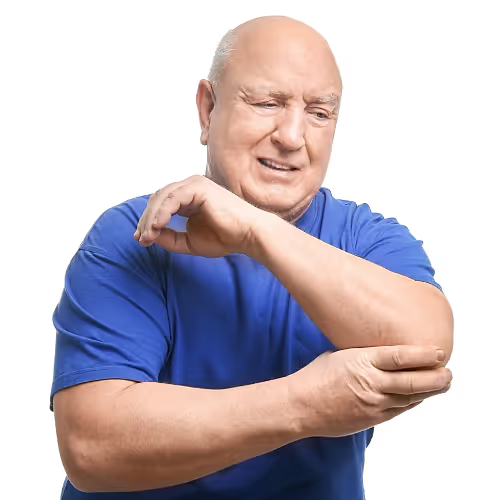

Is persistent pain affecting your life?
Ongoing pain can make daily routines difficult and limit your activities. Many people look for ways to ease discomfort and regain control. Finding effective, lasting relief often requires a thoughtful, individualized approach.
Restore Comfort and Move Freely
Personalized support for relief.
Chronic pain can disrupt your routines, mood, and ability to stay active. The DRIPBaR offers therapies that focus on easing inflammation, calming nerve sensitivity, and supporting tissue repair. These services are designed to help you feel more at ease and maintain your daily activities. By addressing the underlying contributors, you may notice gradual improvements in comfort and flexibility.
The DRIPBaR Ruston provides a welcoming space where you can explore non-pharmaceutical options for pain support. Each session is tailored to your needs, with licensed providers guiding your care. Consistent support can help you track progress and adjust your plan as needed. Book your appointment today to take the next step toward improved comfort.
Did you know?
Chronic pain affects nearly one in five adults and can lead to changes in mood, sleep, and daily function.
Understanding Chronic Pain and Its Impact
Chronic pain is defined as discomfort that lasts longer than three months, often continuing beyond the usual recovery period of an injury or illness. Unlike acute pain, which signals immediate harm, chronic pain can persist without a clear cause and may become a condition in itself. It can affect any part of the body and range from mild to severe, sometimes interfering with daily life. Over time, ongoing pain can influence both physical and mental well-being.
Common triggers include injury, nerve damage, inflammation, autoimmune conditions, and post-surgical changes. Factors like poor posture, stress, and lack of sleep may worsen symptoms. Managing chronic pain often involves a combination of therapies, lifestyle adjustments, and mental support. Tracking changes in comfort and function can help guide your approach to long-term relief.
Common Symptoms of Chronic Pain
Chronic pain often presents as persistent aches, sharp sensations, or burning discomfort that lasts beyond the expected recovery period. The pain may be constant or fluctuate in intensity, sometimes worsening with activity or certain movements. Many people also report stiffness, reduced range of motion, and difficulty performing daily tasks. These symptoms can affect any part of the body, depending on the underlying cause.
In addition to physical discomfort, chronic pain frequently leads to fatigue and sleep disturbances. Ongoing pain may disrupt rest, making it harder to recover and maintain energy throughout the day. Emotional symptoms such as irritability, anxiety, or low mood are also common, as pain can impact mental health over time. Social withdrawal and decreased participation in enjoyable activities may occur as a result.
Some individuals experience pain flares triggered by stress, weather changes, or increased physical activity. Sensitivity to touch or temperature, as well as muscle spasms, may develop in certain cases. Over time, chronic pain can contribute to changes in posture, muscle weakness, and a decline in overall mobility. Recognizing these patterns is important for effective management.
Traditional Treatments
Traditional approaches to chronic pain often begin with medications such as nonsteroidal anti-inflammatory drugs, muscle relaxants, or nerve pain modulators. Physical therapy, exercise, and counseling are also commonly recommended to improve mobility and address emotional impacts. Many people benefit from a combination of these strategies, tailored to their specific needs and underlying causes. Some individuals seek integrative therapies to reduce reliance on medication and support natural recovery. These may include wellness infusions, relaxation techniques, or lifestyle changes focused on sleep and stress management. Regular follow-up with healthcare providers helps monitor progress and adjust the care plan as needed. The goal is to enhance comfort, function, and overall quality of life.
How IV Therapy May Help
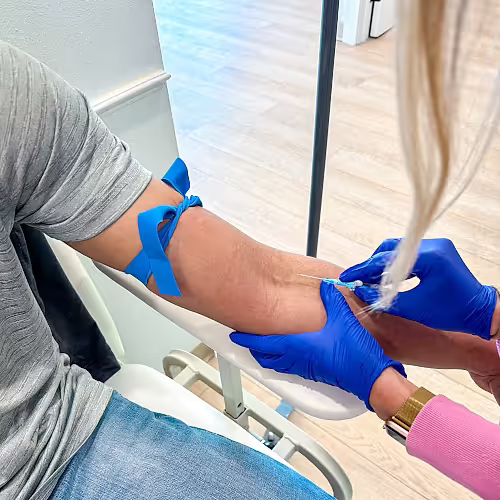
Targeted wellness therapies at The DRIPBaR are designed to support the body’s natural recovery processes and address the underlying factors that contribute to chronic pain. By delivering nutrients and hydration directly, these services may help reduce inflammation, ease muscle tension, and promote tissue recovery. Some clients notice benefits such as improved mobility or reduced discomfort after consistent sessions. Results can vary, and gradual improvements are often seen over time. Our approach emphasizes gentle, integrative care with attention to both physical and mental well-being. Licensed providers supervise each session and tailor support to your unique needs. Tracking changes in comfort and function can help you understand how these therapies fit into your overall pain management plan. Ongoing communication ensures your experience is safe and aligned with your goals.
Wellness Therapies for Pain Support
Certain wellness therapies can help reduce discomfort, support relaxation, and promote tissue recovery. These approaches focus on easing muscle tension and improving circulation. Integrative care may offer additional relief for those living with chronic pain.
Soother
Soother is a restorative intravenous infusion that delivers key nutrients like Magnesium, Calcium, and Taurine directly into the bloodstream. This approach supports muscle relaxation, mental balance, and improved sleep quality. The infusion bypasses digestive limitations for faster nutrient absorption. It is designed for individuals seeking relief from stress, tension, and fatigue. The formula promotes mental clarity and physical recovery. This treatment offers a gentle way to restore balance and resilience. It fits well within a proactive wellness routine.
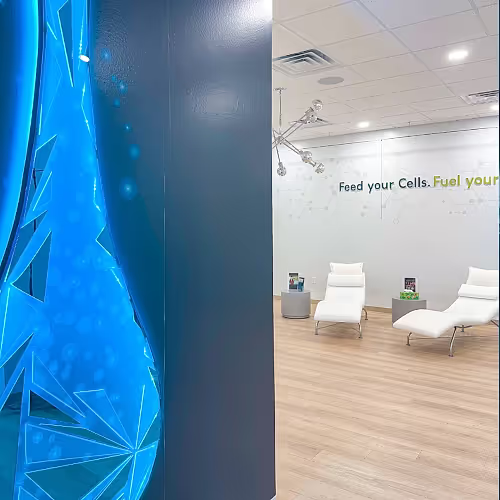
HIGHLY recommend this place. super friendly and accommodating staff, very clean all the way around, has the best seats everrrr and they have all the IV bags and add ons you could ever want! def check this place out(:
Amazing customer service. Very helpful and nice. The process was super easy and quick. The products are wonderful.
BOOK APPOINTMENT
You must be 15-17 years of age with a parent present
Ready to Get Started?
Feel your best with a treatment designed to support your goals! Whether you’re looking for hydration, energy, immune support, recovery, or overall wellness, our team will help you choose the right option and make sure your experience is comfortable from start to finish. Click the Book Appointment button below to pick your reserve a time that fits your schedule.