
Is your recovery taking longer than expected?
After surgery, slow recovery and persistent fatigue can be discouraging. Many people struggle to regain energy and comfort as quickly as they hope. Adjusting your recovery plan can help you feel more in control and supported.
Restore Comfort and Support Recovery
Personalized recovery support.
The DRIPBaR Ruston offers IV therapies designed to deliver hydration, antioxidants, and essential nutrients directly to your body, supporting tissue repair and immune function after surgery. This targeted approach may help reduce inflammation, restore energy, and promote more efficient recovery. By addressing nutritional gaps and replenishing fluids, you can experience improved comfort and resilience during recovery. These services are especially helpful for those with higher needs or slower natural recovery.
Licensed providers oversee every session, ensuring your safety and a tailored experience at The DRIPBaR Ruston. Our recovery support is meant to complement your existing care plan and help you return to your daily routine with greater confidence. If you want to support your body’s natural recovery process, consider scheduling a session. Book your appointment today to take the next step in your recovery.
Did you know?
Proper hydration and nutrient intake can significantly influence the speed and quality of post-surgery recovery.
Understanding Post-Surgery Recovery
After a surgical procedure, your body enters a phase focused on recovery, tissue repair, and restoring normal function. This process requires increased hydration, nutrient intake, and immune support to manage inflammation and rebuild strength. Recovery times vary depending on the type of surgery, your health status, and how well you follow care recommendations. Vitamin C, for example, is vital for collagen production and wound repair.
Common triggers for delayed recovery include dehydration, poor nutrition, and underlying health issues. Managing these factors through rest, balanced meals, and supportive therapies can help support recovery. Monitoring symptoms such as fatigue, swelling, and discomfort allows for timely care adjustments. Following medical advice and seeking extra support when needed are key to a safe recovery.
Common Symptoms of Slow Recovery
Fatigue and reduced energy are common after surgery, often due to the body’s increased demands during recovery. Swelling, discomfort, and limited mobility can make daily activities more challenging as tissues repair and inflammation subsides. Some people also experience nausea or loss of appetite, which can complicate nutrient intake and slow recovery. Monitoring your symptoms and communicating with your care provider helps address concerns early.
Symptoms may differ based on the type of procedure and individual health factors. Orthopedic surgeries can lead to stiffness and muscle weakness, while abdominal procedures might cause digestive changes. It’s normal for symptoms to fluctuate as you recover, and tracking your progress can guide supportive care. Persistent issues should be discussed with your healthcare team.
In some cases, slow or inadequate recovery increases the risk of complications like infection or scarring. Ongoing fatigue, discomfort, or delayed wound repair may signal the need for additional support. Taking steps to maintain hydration, nutrition, and immune function can help manage symptoms and promote a smoother recovery. Early intervention is important for reducing long-term risks.
Traditional Treatments
Standard post-surgery recovery typically includes rest, wound care, prescribed medications, and physical therapy to manage pain and help avoid infection. These approaches are designed to encourage tissue repair and restore mobility. Nutrition and hydration are emphasized to provide the building blocks needed for recovery. Your care plan is tailored to your procedure and overall health. Some individuals may benefit from additional support, such as supervised therapies or targeted nutrient delivery, especially if appetite is low or recovery is slow. Monitoring for complications and regular follow-up with healthcare providers are essential parts of recovery. Combining traditional care with supportive therapies can help optimize your experience. The goal is to promote safe, steady recovery and a return to daily activities.
How IV Therapy May Help
If you are looking to support your recovery after surgery, IV therapy at The DRIPBaR delivers hydration, vitamins, minerals, and antioxidants directly into your bloodstream. This method allows for rapid absorption and can help replenish nutrients lost during surgery or periods of low appetite. By targeting specific needs, IV therapy may help reduce inflammation, support immune function, and promote tissue repair. All services are provided under the supervision of licensed providers to ensure safety and comfort. While traditional recovery methods remain essential, adding IV nutrient support can complement your overall plan. The DRIPBaR’s offerings are designed to address common challenges such as fatigue, discomfort, and slow recovery. Personalized care helps you feel more confident as you recover. Discuss your options with your healthcare provider to determine if this supportive approach is right for you.
Supportive Options for Recovery Needs
A variety of wellness services can help address the unique challenges of post-surgery recovery. These offerings focus on hydration, nutrient replenishment, and immune support. Choosing the right approach may help you feel stronger and more comfortable during recovery.
Pre/Post-Op
Pre/Post-Op is an intravenous therapy designed to support the body’s needs before and after physical stress or procedures. It delivers essential nutrients such as Vitamin C, Magnesium, and Zinc directly into the bloodstream for rapid absorption. This approach helps reduce oxidative stress, supports immune function, and promotes tissue repair. It also aids in restoring energy and mood balance. The therapy is suitable for a variety of individuals seeking to enhance their recovery and overall wellness. It provides targeted support to aid recovery and reduce downtime. This treatment is part of a comprehensive wellness strategy focused on cellular health.
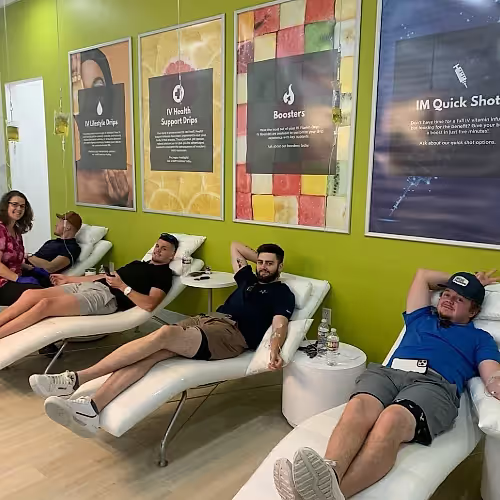
HIGHLY recommend this place. super friendly and accommodating staff, very clean all the way around, has the best seats everrrr and they have all the IV bags and add ons you could ever want! def check this place out(:
Amazing customer service. Very helpful and nice. The process was super easy and quick. The products are wonderful.
BOOK APPOINTMENT
You must be 15-17 years of age with a parent present
Ready to Get Started?
Feel your best with a treatment designed to support your goals! Whether you’re looking for hydration, energy, immune support, recovery, or overall wellness, our team will help you choose the right option and make sure your experience is comfortable from start to finish. Click the Book Appointment button below to pick your reserve a time that fits your schedule.