
Why does my mood keep shifting?
Mood swings can make it hard to stay focused and enjoy daily life. These changes often reflect shifts in brain chemistry and stress responses. While some variation is normal, ongoing mood changes may signal an underlying concern.
Find Balance and Emotional Clarity
Gentle support for mood.
Mood imbalance can disrupt your focus, energy, and sense of well-being, but targeted nutrient therapy may help restore emotional stability. The DRIPBaR offers IV infusions designed to deliver vitamins, minerals, and antioxidants that support neurotransmitter balance and nervous system health. These therapies may help reduce stress, improve energy, and promote a calmer mood. Individual results can vary, and ongoing support is tailored to your needs.
Clients at The DRIPBaR Ruston can access a range of supportive options designed to complement traditional care and lifestyle changes. Each session is supervised by licensed providers and customized to your unique situation. If you’re ready to explore a holistic approach, book your appointment today to take the next step toward mental wellness.
Did you know?
Mood imbalance may be linked to nutrient deficiencies, stress, or hormonal changes, and can affect people of all ages.
Understanding Mood Imbalance
Mood imbalance refers to ongoing or frequent changes in emotional state, such as irritability, sadness, or anxiety, that can interfere with daily life. These shifts are often influenced by brain chemicals, stress hormones, and the health of the nervous system. When mood regulation is disrupted, it may be due to factors like inflammation, oxidative stress, or nutrient deficiencies. Recognizing these patterns can help guide supportive strategies.
Common triggers include chronic stress, hormonal transitions, poor sleep, and inadequate nutrition. Addressing mood imbalance often involves a combination of lifestyle changes, therapy, and sometimes nutrient support. Monitoring symptoms and seeking professional input is important for safe and effective management. Each person’s experience is unique, so individualized care is key.
Symptoms of a Mood Imbalance
Mood imbalance can present as frequent mood swings, persistent sadness, or periods of irritability that interfere with daily routines. Some people experience emotional numbness, making it hard to feel joy or motivation even during positive events. These symptoms may appear gradually or fluctuate in response to stress and lifestyle changes. Individual experiences can vary, so monitoring patterns is important.
Other common symptoms include anxiety, low energy, and difficulty concentrating, which can impact work, relationships, and self-care. Fatigue and sleep disturbances are also frequent, sometimes making it harder to recover from emotional lows. For some, physical symptoms like headaches or muscle tension accompany emotional changes. Recognizing these patterns can help guide supportive strategies.
It’s important to note that mood imbalance may be linked to underlying health issues, such as hormonal shifts or nutrient deficiencies. Symptoms can be influenced by chronic illness, substance use, or environmental stressors. Seeking professional input can help identify contributing factors and tailor a plan for support. Early attention to symptoms may improve outcomes and overall well-being.
Traditional Treatments
Standard approaches to managing mood imbalance often include psychotherapy, lifestyle modifications, and sometimes medication. Psychotherapy can help individuals develop coping skills and address underlying stressors, while lifestyle changes such as regular exercise, improved sleep, and balanced nutrition may support mental health. Medications, when prescribed, are tailored to individual needs and monitored for effectiveness and side effects. These treatments are often combined for a comprehensive approach. Supportive therapies like mindfulness, relaxation techniques, and social connection can also play a role in managing mood. Nutrient support may be considered as a complementary option, especially if deficiencies are identified. It is important to work with healthcare professionals to develop a plan that fits your unique situation. Ongoing monitoring helps ensure that care remains safe and effective.
How IV Therapy May Help
When you’re experiencing mood imbalance, targeted IV nutrient therapy may offer gentle support for mental wellness. By delivering vitamins, minerals, and antioxidants directly into the bloodstream, this approach can help stabilize the nervous system and promote mental clarity. Controlled dosing and professional supervision ensure that each session is tailored to your needs. Many people find that this method complements other wellness strategies without replacing them. The DRIPBaR focuses on providing a safe, supportive environment where you can explore nutrient-based options for mood support. Our team works with you to identify potential triggers and develop a plan that fits your lifestyle. IV therapy can be part of a broader approach to mental health, alongside therapy, exercise, and healthy habits. This integrative care model is designed to help you feel more balanced and resilient.
Nutrient Support for Mental Wellness
Specialized nutrient infusions can help calm the nervous system and support emotional stability. These offerings are designed to address stress, fatigue, and mood fluctuations. They provide a gentle, non-pharmaceutical option for those seeking balance.
Soother
Soother is a restorative intravenous infusion that delivers key nutrients like Magnesium, Calcium, and Taurine directly into the bloodstream. This approach supports muscle relaxation, mental balance, and improved sleep quality. The infusion bypasses digestive limitations for faster nutrient absorption. It is designed for individuals seeking relief from stress, tension, and fatigue. The formula promotes mental clarity and physical recovery. This treatment offers a gentle way to restore balance and resilience. It fits well within a proactive wellness routine.
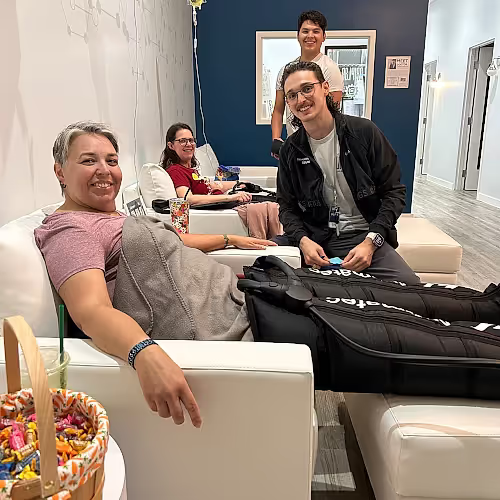
HIGHLY recommend this place. super friendly and accommodating staff, very clean all the way around, has the best seats everrrr and they have all the IV bags and add ons you could ever want! def check this place out(:
Amazing customer service. Very helpful and nice. The process was super easy and quick. The products are wonderful.
BOOK APPOINTMENT
You must be 15-17 years of age with a parent present
Ready to Get Started?
Feel your best with a treatment designed to support your goals! Whether you’re looking for hydration, energy, immune support, recovery, or overall wellness, our team will help you choose the right option and make sure your experience is comfortable from start to finish. Click the Book Appointment button below to pick your reserve a time that fits your schedule.
How does nutrition impact recovery for adults under chronic stress?
Balanced nutrition supports the body’s ability to manage stress and recover from emotional fatigue. Eating regular meals with a variety of nutrients can help stabilize mood and energy. Limiting processed foods and added sugars may further support recovery. Consult a healthcare provider for personalized recommendations.
How do nutrient deficiencies affect the nervous system?
Nutrient deficiencies can disrupt the nervous system’s ability to regulate mood and stress responses. Low levels of certain vitamins or minerals may lead to fatigue, irritability, or difficulty concentrating. Addressing deficiencies supports overall nervous system health. Regular check-ins with your provider help ensure proper balance.