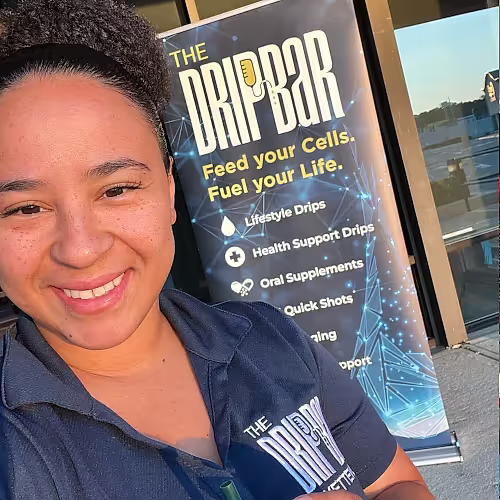

Living in South Miami, many people find themselves searching for ways to manage ongoing sinus congestion, especially during peak pollen seasons. If you have ever felt like your symptoms never fully go away, you are not alone. At The DRIPBaR, we focus on helping clients identify their unique triggers and build a routine that fits their lifestyle. Our approach is rooted in education and support, not quick fixes. For those looking for more information, our Chronic Sinus Congestion Relief page offers a deeper look at practical strategies. Many clients from nearby neighborhoods appreciate the convenience of our location when planning their wellness visits.
Understanding Sinus Congestion Patterns
Why do some people struggle with congestion year-round? The answer often lies in a mix of environmental triggers, lifestyle habits, and individual sensitivities. Tracking your symptoms can reveal patterns that are not obvious at first. For example, you might notice flare-ups after cleaning, during humid days, or following a late night. Recognizing these connections is the first step toward building a plan that works for you. Consistency in your routine can make a meaningful difference over time.
Allergy Trigger Tracking Essentials
Allergy trigger tracking is a foundational skill for managing chronic sinus congestion. By keeping a simple daily log, you can spot which exposures or habits make symptoms worse. This might include noting pollen levels, time spent outdoors, or changes in sleep quality. Over a few weeks, patterns often emerge that help guide your wellness choices. The goal is not perfection, but progress.
Pollen Planning for Allergies
Pollen planning helps you anticipate high-exposure days and adjust your activities accordingly. Checking the pollen forecast each morning can inform whether you plan more time indoors or take extra steps to protect your comfort. On high-pollen days, hydration and recovery routines become even more important. Simple changes, like showering after outdoor time, can make a difference. This approach is about reducing the impact of flare-ups, not avoiding the outdoors entirely.
Monthly wellness scheduling offers structure for those with recurring congestion. Instead of waiting for symptoms to spike, planning regular support helps maintain a steadier baseline. Many people find that a predictable routine reduces the intensity and frequency of flare-ups. This might include scheduling hydration support, halotherapy, or other comfort-focused services. The aim is to keep wellness manageable and sustainable.
Halotherapy for chronic congestion is gaining attention as a gentle, supportive ritual. Sitting in a salt room may help promote a sense of breathing comfort and relaxation. While not a cure, it can be a calming addition to your routine, especially during peak allergy weeks. Many clients pair halotherapy with other wellness habits for a more comprehensive approach. Results vary, but consistency is key.
Routine for Relief
A chronic sinus congestion routine is most effective when it is simple and repeatable. Start by tracking your top triggers and scheduling support around your hardest weeks. Include hydration, sleep protection, and exposure planning in your monthly rhythm. Adjust your plan as you learn what works best for your body. Over time, these habits can help you feel more in control of your symptoms. Remember, progress is gradual and results may differ for everyone.
Building a routine takes patience and self-awareness. Celebrate small wins and adjust as needed. Your comfort is the priority.
How Chronic Sinus Congestion Impacts Daily Life
Chronic Sinus Congestion Relief is not just about easing symptoms; it is about reclaiming your day-to-day comfort. Persistent congestion can lead to fatigue, poor sleep, and reduced focus. Many people find themselves reaching for caffeine or feeling run down after restless nights. Over time, this cycle can affect your mood and productivity. By addressing the underlying patterns, you can start to break free from the fatigue loop. Simple changes in hydration, sleep, and exposure can make a noticeable difference. The goal is to support your body’s natural resilience and help you feel more like yourself.
When congestion lingers, it is easy to underestimate its impact on your overall well-being. You might notice you are more irritable, have less energy for activities you enjoy, or struggle to concentrate at work. These daily disruptions add up, making it harder to stay consistent with healthy habits. Addressing sinus congestion with a thoughtful routine can help restore balance. Over time, many people experience steadier energy and improved sleep quality. Remember, small adjustments can lead to meaningful improvements.
Daily Impact Signals
Common signs that sinus congestion is affecting your routine include waking with a dry mouth, frequent throat clearing, and feeling tired despite a full night’s sleep. You may also notice increased sensitivity to dust, pollen, or strong odors. These signals are your body’s way of highlighting areas that need attention. Tracking them can help you fine-tune your wellness plan. Over time, you may find it easier to anticipate and manage flare-ups.
- Morning discomfort: Waking up congested or with a dry mouth is a common sign.
- Brain fog episodes: Difficulty focusing or feeling mentally sluggish during the day.
- Sleep interruptions: Waking up multiple times due to blocked airways.
- Throat irritation: Needing to clear your throat often or experiencing post-nasal drip.
- Energy dips: Feeling unusually tired or drained, especially after poor sleep.
- Increased sensitivity: Noticing stronger reactions to dust, pollen, or fragrances.
- Habit changes: Relying more on caffeine or skipping meals to cope with fatigue.
Building Your Monthly Wellness Schedule
Monthly wellness scheduling is a proactive way to manage chronic sinus congestion. By planning support around your most challenging weeks, you can reduce the risk of crisis-only visits. This approach encourages steady habits, such as regular hydration and sleep routines. Many clients find that having a predictable schedule helps them stay on track, even during high-exposure seasons. It is not about perfection, but about building a foundation for better comfort. Over time, this structure can make flare-ups less disruptive.
A monthly plan often includes a baseline hydration session, targeted support during peak pollen weeks, and recovery rituals after travel or stressful periods. Some people add halotherapy or immune-focused infusions based on their unique patterns. The key is to adjust your plan as you learn what works best for you. Consistency helps reinforce positive habits and supports your body’s resilience. Remember, results vary and it is important to listen to your body’s signals. Wellness is a journey, not a destination.
Tracking your progress can help you see what is working. Celebrate improvements, no matter how small. Adjust your plan as your needs change.
Hydration and electrolytes play a central role in sinus comfort. Many people find that adding electrolytes to their routine helps reduce dryness and pressure. Warm fluids, such as broth or tea, can also provide soothing relief. These simple habits support your body’s natural balance. Over time, they can make a noticeable difference in how you feel.
Steam routines, like warm showers or sitting in a steamy bathroom, are popular comfort rituals. These practices may help promote a sense of openness in your airways. Pairing steam with hydration and an earlier bedtime can enhance your nightly routine. Consistency is more important than intensity. Listen to your body and adjust as needed.
Personalizing Your Chronic Congestion Plan
Many guests from South Miami appreciate having a wellness resource close to home when managing sinus congestion. Personalizing your plan starts with identifying your main triggers and the times you feel worst. For some, mornings are the hardest; for others, travel or pollen surges are the main challenge. By tailoring your routine to your patterns, you can make each month more manageable. The goal is to keep your plan simple and sustainable.
The best routine is one you can stick with, even during busy weeks. Start by focusing on hydration, sleep, and exposure planning. Add supportive services, like IV hydration or halotherapy, as needed based on your patterns. Adjust your plan as you learn what works best for your body. Over time, you may notice fewer flare-ups and steadier energy. Remember, results vary and it is important to listen to your body’s feedback.
If your symptoms change or become more severe, consult a licensed professional. Wellness routines are meant to support comfort, not replace medical care. Always prioritize your safety and well-being.
Monthly Plan Templates
There are many ways to structure your monthly plan. Some people prefer a minimalist approach, while others benefit from more frequent support. Choose the template that fits your lifestyle and adjust as needed. The key is consistency and self-awareness.
A minimalist plan might include one hydration session per month, with halotherapy during peak weeks. Those who experience high-pollen surges may benefit from an Allergy IV drip and extra support during their hardest week. If you feel depleted or run down, consider adding immune-focused infusions and recovery rituals. Frequent travelers may need hydration and compression support before and after trips. Indoor trigger plans focus on managing dust, fragrance, and HVAC dryness. Athletes can benefit from hydration and recovery services during heavy training blocks.
Habit Stacking Tips
Protecting your sleep is the most impactful habit. Two good nights can change your week. Start with small, repeatable changes.
Add electrolytes earlier in the day, especially if you drink coffee. Anchor your mornings with a balanced breakfast to support hydration and energy. Try a warm shower or steam routine before bed to wind down. A daily walk, especially after travel, can help with circulation and sleep quality. These habits work together to support your overall comfort.
Safety and Red Flags
Always be alert for urgent symptoms like shortness of breath or chest pain. Seek immediate care if these occur. Your safety comes first.
If you experience persistent high fever, severe facial pain, or symptoms that worsen after improving, consult a healthcare provider. Severe sore throat, difficulty swallowing, or dehydration that keeps you from keeping fluids down are also reasons to seek evaluation. Some individuals may need extra screening before starting IV therapy or compression services. Always discuss your health history with a wellness specialist before beginning new routines.
Next Steps for Managing Sinus Congestion
If you are ready to take a proactive approach to sinus congestion, start by tracking your symptoms and identifying your main triggers. Build a routine that includes hydration, sleep protection, and exposure planning. Schedule monthly support sessions to maintain your baseline and adjust as needed during peak weeks. Remember, small changes can add up over time. Consistency is more important than perfection. Your comfort and well-being are worth the effort.
Many people find that having a plan for Chronic Sinus Congestion Relief helps them feel more in control. By focusing on steady habits and regular support, you can reduce the impact of flare-ups. Remember, progress is gradual and each step counts. Stay patient and celebrate your improvements.
If you are unsure where to start, reach out to a wellness specialist for guidance. They can help you tailor a plan that fits your lifestyle and needs. The journey to better comfort is unique for everyone. Take it at your own pace and adjust as you learn what works best. Support is available whenever you need it.
Monthly Wellness Scheduling Benefits
Monthly wellness scheduling helps you avoid last-minute crisis visits and keeps your routine on track. By planning ahead, you can anticipate peak weeks and adjust your support accordingly. This approach encourages steady habits and makes it easier to manage symptoms over time. Many clients find that regular sessions help them stay closer to their baseline, even during challenging seasons. Consistency builds confidence and supports your body’s resilience. Remember, results vary and it is important to listen to your body’s needs.
A monthly schedule can include hydration, halotherapy, and immune-focused infusions. Adjust your plan based on your unique patterns. The goal is to make wellness sustainable.
- Predictable support: Regular sessions help maintain comfort and reduce flare-ups.
- Peak-week planning: Schedule extra support during your hardest weeks for better results.
- Recovery focus: Add rituals after travel or stressful periods to restore balance.
- Habit reinforcement: Consistent scheduling encourages positive routines.
- Flexible options: Adjust your plan as your needs change throughout the year.
Choosing Your Support Options
When selecting support options, consider your main triggers and how your symptoms change throughout the month. Hydration-first sessions are helpful when dryness and pressure are your main concerns. Immune-focused infusions may be a good fit during high-pollen weeks or when you feel run down. Halotherapy and recovery rituals can be added for extra comfort. The best plan is one that fits your lifestyle and feels sustainable. Consult a wellness specialist to discuss your options and adjust as needed.
Remember, your plan should be flexible and adapt to your changing needs. Track your progress and make adjustments as you learn what works best. Support is available to help you stay on track. Wellness is a journey, and every step forward matters. Stay patient and keep building healthy habits.
If you are ready to get started, reach out for guidance or schedule a visit. Your comfort and well-being are the priority. Take the next step when you feel ready. Support is always available.
Ready to Take Action?
Start building your sinus wellness routine today. Small steps can lead to lasting comfort. Support is available whenever you are ready.
If you have questions or want help personalizing your plan, connect with a wellness specialist at The DRIPBaR South Miami. Our team is here to guide you at your own pace and answer any concerns. Remember, your wellness journey is unique and support is always available. Take the first step toward better comfort and resilience today.
What simple changes may help improve sinus comfort results?
Small adjustments like adding electrolytes to your hydration routine and using steam rituals before bed can support sinus comfort. Keeping your bedroom environment clean and minimizing exposure to strong fragrances may also help. Regular sleep and balanced meals contribute to overall wellness. These steps work together to support your body’s resilience.
Why is rest important for the immune system during congestion?
Rest supports the immune system’s ability to recover from irritants and allergens. Quality sleep helps regulate inflammation and may reduce the impact of congestion. Taking time to recharge can also improve energy and resilience. If symptoms worsen despite rest, consult a healthcare provider.