
Many guests from South Miami visit us seeking relief from PCOS-related fatigue and low energy. Our approach centers on a supportive environment where your needs are heard and addressed. At The DRIPBaR, we believe in building routines that fit your lifestyle, not just quick fixes. If you are curious about how PCOS treatment can be part of your wellness journey, our team is here to help you explore your options. Every visit is tailored to your goals. Let us help you take the next step toward feeling more energized.
Understanding PCOS Fatigue and Low Energy
PCOS can impact energy levels in several ways, making fatigue a frequent concern. Factors like insulin resistance, sleep disruption, and stress often overlap, amplifying tiredness. Hydration and nutrition gaps can further worsen these symptoms, especially during busy weeks. Recognizing these patterns is the first step toward building a supportive routine. At The DRIPBaR, we focus on education and realistic expectation-setting. Our goal is to help you identify modifiable factors and create a plan that fits your life.
IV Therapy for Fatigue and Hydration Support
IV therapy for fatigue offers a direct way to support hydration and nutrient needs. Sessions are supervised and tailored to your wellness goals. Many find this approach helpful during periods of low energy.
PCOS Fatigue: Why It Happens
Fatigue in PCOS is rarely just about willpower. Insulin resistance, blood sugar swings, and inflammation often play a role. Sleep disruption and nutrient gaps can add to the challenge. Dehydration may make symptoms worse, leading to headaches or brain fog. Understanding these factors helps guide supportive strategies.
Hydration therapy is a foundational step in managing PCOS fatigue. Consistent fluid intake supports energy, brain function, and recovery. Pairing hydration with balanced meals and movement can amplify benefits. Electrolyte hydration may be useful, especially during high-stress weeks. Always consult with a wellness specialist if you have health conditions that affect fluid balance.
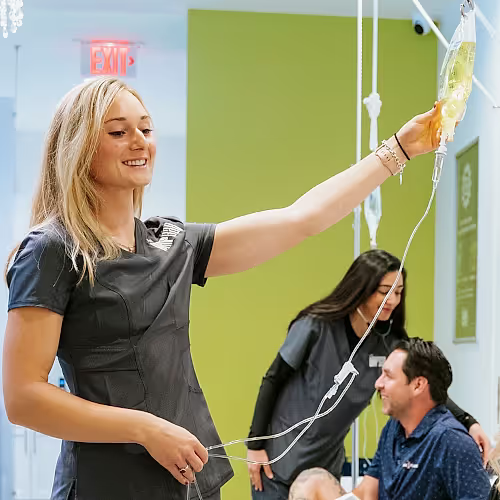
IV therapy for fatigue at The DRIPBaR is designed to be straightforward and comfortable. Each session begins with a review of your health history and wellness goals. Licensed professionals prepare and administer the infusion, monitoring your comfort throughout. The environment is calming, allowing you to relax and recharge. Nutrient support options like vitamin B12 injection, magnesium, and vitamin C may be included based on your needs. Aftercare guidance helps you maintain hydration and energy after your visit. Results vary, and tracking your response over time is encouraged.
Nutrient Support for PCOS Low Energy
Targeted nutrients may help support energy and metabolic wellness in PCOS. B vitamins, vitamin C, magnesium, and zinc are commonly used in IV routines. These ingredients are selected based on your goals and preferences. Personalization is key to finding what works best for you.
Vitamin B12 injection is often discussed for supporting energy and mental clarity, especially if levels are low. Magnesium may help with relaxation and muscle comfort, while vitamin C supports overall resilience. Zinc is included for immune and cellular support. Each nutrient is chosen to complement your broader wellness plan.
Hydration therapy and nutrient support are not fix for PCOS but may complement your routine. Results depend on individual patterns and needs. Tracking energy, sleep, and mood can help you evaluate benefits. Adjustments are made based on your ongoing feedback. Always coordinate with your healthcare provider for comprehensive care.
Personalized IV Therapy Experience
Your IV therapy visit at The DRIPBaR begins with a brief intake and screening. Licensed professionals ensure your comfort and safety throughout the session. The environment is designed for relaxation and recovery. Aftercare tips help you maintain hydration and energy at home.
Common sensations during IV therapy include coolness from fluids and a sense of relaxation. Some notice a mild energy lift, while others may feel tired if they arrived depleted. Communication with staff ensures your experience is tailored to your needs. If discomfort arises, adjustments are made promptly. Your comfort is always a priority.
Building a Sustainable Hydration Routine
A consistent hydration routine can make a noticeable difference for those managing PCOS fatigue. Many clients find that pairing hydration with meals and snacks helps maintain energy. The PCOS treatment approach at The DRIPBaR emphasizes steady support rather than quick fixes.
Hydration-first routines are most effective when combined with other healthy habits. Prioritizing protein at breakfast can reduce energy swings later in the day. Adding fiber and plant diversity supports metabolic wellness. Gentle movement, such as walking or yoga, helps maintain insulin sensitivity without causing burnout. Protecting sleep and managing stress are also crucial for energy stability. Over time, these layered habits can help reduce the frequency of energy crashes and improve overall resilience.
Tracking your progress is important when trying new wellness routines. Simple dashboards that monitor energy, sleep, and hydration consistency can provide valuable insights. Comparing your experience week to week helps identify what works best for you. If you do not notice meaningful improvements, consider adjusting your routine or consulting with a wellness coach. Personalization and patience are key to finding lasting benefits.
Hydration Routine Tips
Establishing a hydration routine does not mean drinking large amounts all at once. Instead, focus on sipping fluids throughout the day and pairing drinks with meals. Use hydrating foods like soups or smoothies when appetite is low. Avoid relying solely on coffee or sugary drinks, as these can worsen fatigue. Electrolyte hydration may be beneficial during periods of high stress or activity. Consistency and mindful choices help support better energy and recovery.
- Small sips strategy: Drink fluids gradually throughout the day for steady hydration.
- Meal pairing tip: Combine drinks with snacks or meals to improve follow-through.
- Hydrating foods idea: Include soups, smoothies, or yogurt bowls when appetite is low.
- Electrolyte reminder: Consider electrolyte hydration during intense activity or stress, but consult a professional if you have health concerns.
Lifestyle Foundations Matter
Hydration-first IV therapy is most effective when paired with strong lifestyle foundations. Prioritizing protein-forward meals helps stabilize blood sugar and reduce cravings. Adding fiber and plant diversity supports gut and metabolic health. Consistent, moderate movement like walking or gentle strength training can improve insulin sensitivity and mood. Protecting sleep with simple wind-down routines enhances recovery and energy. Managing stress through breathing exercises or grounding techniques further supports overall wellness. These habits work together to amplify the benefits of hydration and nutrient support.
Protein at breakfast is a simple but powerful habit for PCOS energy stability. Options like Greek yogurt, eggs, or a protein smoothie can set the tone for the day. Adding fiber-rich foods gradually helps support digestion and metabolic health. Movement does not have to be intense; short walks or gentle yoga are effective. Sleep quality influences energy, cravings, and recovery, so protecting your rest is essential. Stress management techniques can be practiced during your IV session for added benefit.
Lab work can help personalize your wellness plan. Discussing vitamin D, B12, iron, and thyroid markers with your provider ensures you address any underlying contributors to fatigue. The DRIPBaR supports wellness routines but does not replace assessment care. Use lab insights to guide your energy and hydration strategies. Regular check-ins with a wellness specialist help keep your plan on track. Personalization leads to better outcomes over time.
If you are new to IV therapy, start with a conservative schedule and track your response. Use sessions as recovery anchors rather than rescue solutions. Plan for a low-demand window after your visit to maximize benefits. Adjust your routine based on how you feel in the days following each session.
Safety and Comfort
Safety is always a top priority at The DRIPBaR. Licensed professionals review your health history and screen for any concerns before starting. Risks such as bruising, irritation, or lightheadedness are discussed openly. Communication during your session ensures comfort and allows for adjustments. Disclose all medications and sensitivities during intake. Personalization and screening are essential for a safe experience.
Some individuals should consult with a healthcare provider before starting IV therapy. This includes those who are pregnant, have kidney or heart conditions, or take medications affecting fluid balance. If you experience chest pain, severe dizziness, or other concerning symptoms, seek medical evaluation promptly. IV therapy is a supportive option and does not replace medical care for underlying conditions. Always prioritize your safety and well-being. Open communication with your healthcare provider is encouraged.
Results from hydration-first IV therapy vary. Some notice improved energy, while others may need to adjust their routine. Tracking your experience helps determine what works best.
If you do not see meaningful benefits after a consistent trial, consider focusing on sleep, nutrition, or lab review. Your wellness plan should evolve based on your needs. The DRIPBaR team is here to support your journey. Personalization and patience are key to lasting results.
Planning Your PCOS Wellness Routine
Many people in South Miami appreciate having a supportive wellness resource close to home. Building a sustainable routine starts with small, consistent habits. Hydration, protein-rich meals, movement, and sleep protection form the foundation. The DRIPBaR offers a calm environment where you can focus on recovery and self-care. Our team is dedicated to helping you find what works for your lifestyle. Regular visits can serve as helpful anchors in your wellness journey.
A practical approach to PCOS wellness involves trial, build, and maintain phases. Start by evaluating how hydration-first support affects your energy. If helpful, build a routine that fits your schedule and needs. Maintenance means using sessions as needed during travel, stress, or low-energy periods. The right cadence is the one you can sustain. Adjust your plan based on your experience and feedback.
Scheduling should reduce stress, not add to it. Choose times that fit your life and allow for recovery. Avoid stacking too many new habits at once.
The IV Day Routine
On IV therapy days, eat a balanced meal before your session and hydrate earlier in the day. Bring a snack if your appetite is unpredictable. During the session, practice calm breathing and communicate any sensations promptly. Afterward, continue hydrating and eat a protein-forward meal. Gentle movement and a simple wind-down routine can help you recover. Protect your sleep that night for the best results.
Avoid the urge to overexert yourself after feeling better. Focus on stabilizing your basics instead of pushing too hard. Consistency leads to better long-term outcomes.
Common Misconceptions About IV Therapy
IV therapy does not treat or cure PCOS, nor does it guarantee hormonal balance or cycle regulation. Fatigue is multi-factor and requires a layered approach. One session will not erase fatigue, and more ingredients do not always mean better results. Lifestyle foundations remain essential for lasting benefits. Caffeine is not a substitute for hydration and nutrition. Personalization and realistic expectations are key to a successful wellness plan.
IV therapy is a supportive option, not a replacement for medical evaluation. If you have persistent or worsening fatigue, consult with your provider. Use IV sessions as part of a broader wellness strategy. Focus on habits that support your overall health. Adjust your plan as your needs change.
Tracking Your Progress
Monitor your energy, sleep, and hydration consistency weekly. Use simple dashboards to track changes. Compare your experience over several weeks.
Look for improvements in energy stability, fewer headaches, and better follow-through on routines. If benefits are unclear, adjust your plan or seek additional support. Personalization is essential for lasting results.
A Four-Week Hydration-First Wellness Plan
Start by stabilizing hydration and morning routines in week one. Gradually add habits like planned snacks and movement in the following weeks. Use IV therapy sessions as recovery anchors when needed.
The PCOS treatment approach at The DRIPBaR emphasizes sustainable changes. Focus on hydration, protein, movement, and sleep as your core anchors. Adjust your routine based on your experience and feedback.
Weekly Wellness Focus
Week one centers on hydration and protein at breakfast, with gentle movement and calm breathing. In week two, add a midday snack and hydration checkpoint, and move caffeine earlier if needed. Week three introduces short strength sessions and a simple meal structure. Week four is about personalizing your routine and deciding on a maintenance rhythm. Use IV sessions as needed, but prioritize habits that fit your lifestyle. Track your progress and adjust as necessary.
If hydration-first support is helpful, choose a maintenance schedule that is sustainable. If not, focus on sleep, lab review, and nutrition coaching. Your plan should evolve with your needs.
- Hydration anchor: Drink fluids consistently throughout the day.
- Protein focus: Prioritize protein at your first meal.
- Movement habit: Walk or do gentle activity most days.
- Snack planning: Add a planned snack and hydration checkpoint midday.
- Fiber addition: Include one fiber food daily as tolerated.
- Strength sessions: Add two short strength workouts per week if possible.
- Sleep protection: Use a simple wind-down routine to support rest.
- Progress tracking: Monitor energy, sleep, and hydration weekly for insights.
Maintaining Progress and Adjusting
Choose two core habits to protect daily, such as hydration and protein breakfast. Adjust your plan as your needs change. Consistency is more important than perfection.
If you do not notice improvements, focus on sleep, nutrition, or lab review. Your wellness plan should be flexible. The DRIPBaR team is here to support your journey.
Personalization and patience are key to long-term benefits. Track your experience and adjust your routine as needed. Use IV therapy sessions as supportive anchors, not solutions. Focus on habits that help you feel your best.
Explore Your Wellness Options
If you are ready to learn more about hydration-first IV therapy for PCOS fatigue, our team at The DRIPBaR South Miami is here to support you. We invite you to explore your options in a welcoming, pressure-free environment. Every visit is tailored to your wellness goals and comfort. Take the first step toward a steadier, more energized routine. Reach out today to discover how we can help you feel your best.
Curious about starting a new wellness routine? Schedule a visit or stop by The DRIPBaR South Miami to see how our approach can fit your lifestyle. We look forward to supporting your journey.