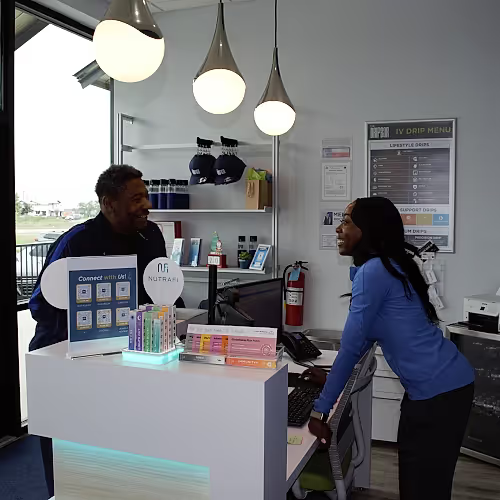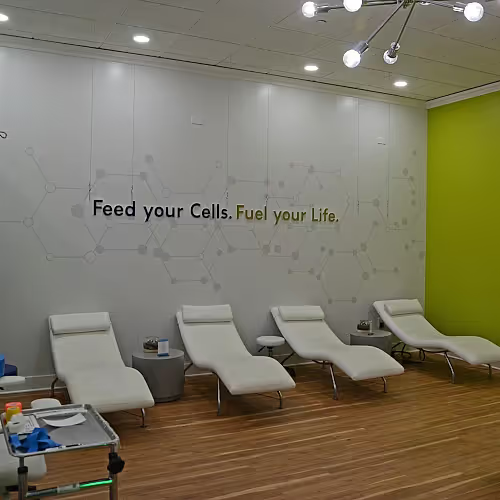

At The DRIPBaR South Miami, many clients are curious about how red and near-infrared wavelengths can fit into their wellness routines. If you are coming from nearby neighborhoods, it is a short drive to experience the benefits for yourself. The red light vs near-infrared light 660nm 850nm discussion is especially relevant for those seeking both skin support and deeper recovery. Our team helps you understand which wavelength or combination may align with your goals. Sessions are designed to be comfortable and easy to integrate into busy schedules. Whether you are new to light therapy or looking to refine your routine, we are here to guide you. Many guests appreciate the calm, welcoming environment that makes wellness feel accessible.
How 660nm and 850nm Work
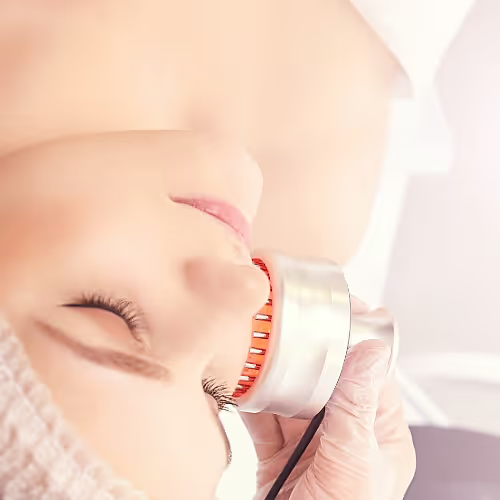
The 660nm red light is visible and interacts mostly with the skin’s surface. It is commonly used to support routines focused on skin texture and glow. By reaching superficial layers, it may help promote collagen-friendly habits and a refreshed appearance. The 850nm near-infrared light, on the other hand, penetrates deeper into tissues. This makes it a popular choice for those interested in muscle recovery and joint comfort. Both wavelengths are non-invasive and can be used together for broader wellness support. Using both can help address a wider range of goals.
660 850 nm light therapy benefits
Combining 660nm and 850nm light therapy offers a unique approach to wellness. The 660nm wavelength is often chosen for skin-focused routines, while 850nm is valued for deeper recovery. Together, they can support both appearance and comfort goals. Many people find this combination fits their lifestyle needs. Consistent sessions may help you notice gradual changes.
Photobiomodulation 660 850 full body session
A full body session using both 660nm and 850nm wavelengths is designed to support overall wellness. The visible red light targets the skin, while near-infrared reaches deeper tissues. This dual approach is often used by those seeking both a refreshed appearance and enhanced recovery. Sessions are typically comfortable and non-invasive. Many clients use these sessions as part of a broader self-care routine.
During a session, you may notice the brightness of the red light and a gentle warmth from the near-infrared. Eye protection is provided for comfort. Most people feel relaxed throughout the process. There is no downtime required after. You can return to your day feeling refreshed.
Consistency is important for seeing results. Many people schedule sessions weekly or biweekly. Over time, gradual improvements in skin and recovery may become noticeable.
Red light vs near infrared wavelength difference
The main difference between red light and near-infrared light is how deeply they penetrate the body. Red light at 660nm is visible and interacts mostly with the skin and superficial tissues. Near-infrared light at 850nm is invisible and can reach muscles and joints. This difference is why each wavelength is chosen for specific goals. Using both together can help support a wider range of wellness needs. Many clients appreciate the flexibility of addressing both skin and recovery in one session.
Red light is often linked to routines for skin texture and tone. Near-infrared is commonly used for muscle and joint comfort. The combination allows for a more comprehensive approach. It is a practical way to address multiple goals at once.
Choosing the right wavelength depends on your priorities. Skin-focused routines may lean toward red light. Recovery routines often emphasize near-infrared. Many people benefit from a blend of both.
850nm near infrared therapy for recovery
Athletes and active individuals often explore red light vs near-infrared light 660nm 850nm to support their recovery routines. The 850nm wavelength is valued for its ability to reach deeper tissues, making it a popular choice for muscle and joint comfort. Many find that pairing this with other recovery habits enhances their overall readiness. Sessions are designed to be comfortable and fit easily into a busy schedule. Over time, consistent use may help support resilience after intense activity.
Recovery routines that include 850nm near-infrared light are often paired with hydration, nutrition, and sleep for best results. Many clients notice a calm, relaxed feeling after sessions. Some report that their muscles feel more at ease, especially after heavy training. The invisible nature of near-infrared means you may not see the light, but you might feel gentle warmth. This wavelength is commonly used as part of a broader recovery stack. It is a flexible option for those seeking to bounce back after physical stress.
Tracking how you feel after sessions can help you notice subtle changes. Many people use simple notes or check-ins to monitor progress. Over time, this can guide adjustments to your routine.
660nm red light therapy for skin
The 660nm red light is often chosen for skin appearance routines. Many people use it to support texture and a refreshed look. Consistency is key for noticing gradual improvements.
- Surface-level support: 660nm red light is commonly used for skin texture and glow routines.
- Deeper tissue reach: 850nm near-infrared light is valued for muscle and joint comfort.
- Combination sessions: Using both wavelengths can address multiple wellness goals at once.
- Non-invasive approach: Sessions are comfortable and require no downtime.
- Routine flexibility: Light therapy can be paired with other wellness habits for enhanced results.
Session experience
During a session, you will wear eye protection and relax in a comfortable setting. The red light feels bright, while the near-infrared is invisible but may feel gently warm. Most people describe the experience as calming and restorative. There is no downtime, so you can continue your day as usual. Many clients address sessions as a moment to reset and recharge.
Before your session, staff will ask about any light sensitivity or medications that could affect your experience. Clean, dry skin is recommended for best results. Minimal clothing helps maximize light exposure, but comfort and privacy are always prioritized. During the session, you can expect a calm environment with supportive staff. Afterward, hydration is encouraged to complement the benefits. Most people return to normal activities feeling refreshed.
Clients often report feeling relaxed or lightly energized after sessions. Some notice a gentle glow or improved comfort in muscles and joints. Over time, steady routines may help support both appearance and recovery goals.
Building a routine
Many guests at The DRIPBaR South Miami find that making light therapy part of their regular wellness routine is simple and rewarding. If you are local, it is easy to fit a session into your day without much travel. Consistency is often more important than session length, so finding a schedule that works for you is key. Our team is here to help you personalize your approach. Whether you are focused on skin, recovery, or both, we support your goals with guidance and care. Building a routine can make wellness feel more sustainable.
Starting with multiple sessions per week can help establish a foundation, followed by maintenance visits as needed. Many people integrate light therapy with other habits like hydration, nutrition, and gentle movement. Tracking your progress with simple notes or photos can help you see changes over time. Adjusting your routine based on how you feel is encouraged. The goal is to create a plan that fits your lifestyle and supports your wellness journey. Our staff is always available to answer questions and help you stay on track.
Comfort and safety
Sessions are designed to be low risk and comfortable for most people. Eye protection and screening for light sensitivity are standard. Your comfort is always a priority.
If you have a history of photosensitivity or use medications that increase light sensitivity, let the staff know before your session. Adjustments can be made to session length or intensity to suit your needs. Most clients tolerate sessions well and experience only mild warmth or relaxation. Rarely, some may notice temporary redness or light sensitivity, which usually resolves quickly. Open communication with staff helps ensure a positive experience.
Personalizing results
Everyone responds to light therapy differently. Personalizing your routine based on your goals and comfort is important. Our team helps you adjust as needed.
Some people notice a refreshed appearance or relaxed muscles after just a few sessions, while others see gradual changes over weeks. Tracking your experience with photos or notes can help you recognize subtle improvements. Adjusting session frequency or combining with other wellness habits may enhance your results. The key is to stay consistent and flexible. Our staff is here to support your journey and answer any questions. Wellness is a personal process, and we aim to make it approachable for everyone.
Pairing light therapy with hydration, nutrition, and rest can amplify its benefits. Many clients find that these basics help them feel their best. Building a routine that fits your lifestyle is the most sustainable approach.
If you are new to light therapy, start with a comfortable schedule and adjust as you learn what works for you. Our team is available to guide you through the process. Consistency and comfort are more important than intensity. Over time, you may notice improvements in how you feel and look. Remember, wellness is about steady progress, not quick fixes.
Sessions are flexible and can be adapted to your needs. Whether you prefer quiet time or conversation, the environment is designed for relaxation. Your comfort and privacy are always respected. Many people find sessions to be a restorative break in their day.
Tracking your progress
Simple tracking methods can help you see changes over time. Weekly photos or notes about how you feel are useful. Many clients use a consistency count to stay motivated. Adjust your routine as needed for best results.
For skin goals, take photos in similar lighting each week and note changes in texture or glow. For recovery, track how your muscles and joints feel after sessions. Some people use a one to ten scale for soreness or readiness. Sleep quality and stress levels can also be helpful indicators. Over time, these notes can show patterns and help you adjust your routine. The goal is to make progress visible and keep your wellness journey on track.
660nm 850nm: Choosing your best fit
Deciding between 660nm red light, 850nm near-infrared, or a combination depends on your wellness goals. If you are focused on skin appearance, 660nm is often the preferred choice. For deeper recovery, 850nm may be more suitable. Many people find that using both wavelengths addresses a broader range of needs. Sessions are designed to be flexible and easy to integrate into your lifestyle. Our team can help you choose the approach that fits your routine. Personalization ensures you get the most from your experience. Consistency and comfort are always prioritized.
When comparing red light vs near-infrared light 660nm 850nm, consider your main priorities. Skin-focused routines may benefit from more red light, while recovery routines often use near-infrared. Many clients choose a combination for comprehensive support.
Red light for glow
660nm red light is popular for those seeking a refreshed look. It is often used in routines aimed at skin texture and tone. Many people notice subtle improvements with regular sessions. Consistency is key for best results.
Pairing red light therapy with gentle skincare and hydration can enhance your routine. Avoid harsh products right before a session if you have sensitive skin. Simple, steady habits often yield the best outcomes. Tracking your progress helps you see changes over time.
- Skin appearance support: 660nm red light is often chosen for texture and glow routines.
- Deeper recovery aid: 850nm near-infrared is valued for muscle and joint comfort.
- Combination flexibility: Using both wavelengths can address multiple wellness goals.
- Non-invasive sessions: Light therapy is comfortable and requires no downtime.
- Routine integration: Sessions fit easily into busy lifestyles.
- Personalized approach: Our team helps tailor your plan to your needs.
- Consistent results: Regular sessions support gradual improvements over time.
850nm for recovery routines
850nm near-infrared light is often used for muscle and joint comfort. Many athletes include it in their recovery routines. The invisible wavelength can reach deeper tissues and support readiness. Sessions are designed to be comfortable and easy to fit into your schedule. Over time, steady use may help you feel more resilient.
Pairing 850nm sessions with hydration, nutrition, and sleep can enhance recovery. Many clients notice a relaxed feeling after sessions. Tracking your progress helps you adjust your routine for best results. Our team is here to support your goals. Consistency is more important than intensity for long-term benefits.
Building a routine that includes both 660nm and 850nm wavelengths can offer comprehensive support. Many people start with a consistency block, scheduling multiple sessions per week, then shift to maintenance as they notice changes. Combining light therapy with other wellness habits like hydration and gentle movement can amplify results. Tracking your experience helps you see progress and make adjustments. Our staff is available to answer questions and help you personalize your plan. The goal is to create a routine that fits your life and supports your wellness journey. Steady progress is more sustainable than quick fixes.
Making your choice
Choosing between 660nm, 850nm, or both depends on your goals. Our team can help you decide based on your needs. Many clients find that a combination offers the most flexibility. Personalization is key for the best experience. Consistency helps you see results over time.
If you are unsure where to start, try a combination session and track how you feel. Adjust your routine as needed. Our staff is here to support your journey.
Ready to try it?
Curious if light therapy fits your goals? Many people find it easy to integrate into their routine. Book a session to see how it feels for you.
Our team at The DRIPBaR South Miami is here to answer your questions and help you personalize your experience. Whether you are focused on skin, recovery, or both, we support your journey. Take the next step and explore what light therapy can offer.
What are helpful ways to build support when focusing on post-surgery recovery?
Connecting with others who have similar recovery goals can provide encouragement. Sharing experiences and tips may help you stay motivated. Professional guidance from wellness specialists can offer personalized support. Always follow your provider’s recommendations for safe recovery.