
Is memory loss affecting your routine?
When memory changes begin to disrupt daily habits, it can be unsettling. These shifts may signal more than just normal aging and often create uncertainty for individuals and families. Exploring supportive approaches early can help maintain independence and comfort.
Support Brain Health and Wellness
Personalized support for cognition.
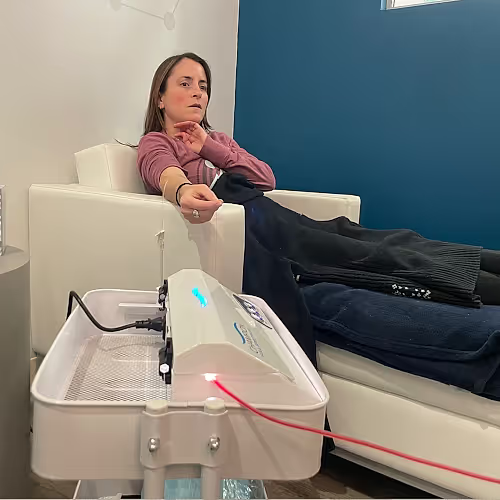
The DRIPBaR offers IV therapies that deliver nutrients directly to support brain health and cognitive function. These treatments are designed to help reduce oxidative stress, promote cellular repair, and enhance energy metabolism in the brain. Each session is overseen by licensed providers, focusing on comfort and individualized care. Our services aim to complement your existing wellness plan and provide proactive support for memory and clarity.
At The DRIPBaR South Miami, you can explore options that address hydration, antioxidant support, and neurological wellness. Our team works with you to identify strategies that fit your needs and goals. Book an appointment today to discover how IV nutrient therapy may fit into your approach to cognitive health. Take the next step toward supporting your brain’s vitality.
Did you know?
Alzheimer’s is the most common cause of dementia, accounting for up to 80% of cases in older adults.
Understanding Alzheimer’s & Dementia
Alzheimer’s & Dementia are not simply a part of normal aging but are progressive neurological disorders that disrupt brain cell communication. The buildup of abnormal proteins leads to the loss of neurons and brain atrophy, which results in memory decline and changes in thinking or behavior. Alzheimer’s is the most common form, marked by beta-amyloid plaques and tau tangles that damage nerve cells. Dementia is a broader term for conditions that significantly impair mental functioning and daily living.
Risk factors include age, genetics, cardiovascular health, and lifestyle choices such as activity level and diet. Chronic inflammation and oxidative stress also contribute to disease progression. Management focuses on slowing decline, supporting daily function, and improving quality of life. Early recognition and a combination of medical, lifestyle, and supportive therapies are important for care.
Symptoms of Alzheimer's & Dementia
Early signs of Alzheimer’s & Dementia often include persistent forgetfulness, difficulty recalling recent events, and trouble finding words. These symptoms can disrupt daily routines and are sometimes mistaken for normal aging. Over time, individuals may struggle with planning, organizing, or completing familiar tasks.
As the condition advances, confusion about time or place, language difficulties, and impaired judgment become more noticeable. Changes in mood, personality, or social withdrawal are also common. Some may have trouble recognizing loved ones or experience agitation and anxiety.
In later stages, individuals may lose the ability to perform basic self-care or communicate effectively. Severe disorientation, sleep disturbances, and increased dependence on caregivers often occur. Each person’s experience is unique, and symptoms can progress at different rates.
Traditional Treatments
Standard care for Alzheimer's & Dementia centers on managing symptoms and supporting daily living. Medications such as cholinesterase inhibitors and memantine may help with memory and cognitive function, though their effects are often modest. Behavioral therapies and environmental adjustments can improve safety and comfort, while structured routines support orientation. Lifestyle interventions, including a brain-healthy diet, regular exercise, and social engagement, are encouraged to promote well-being. Supportive care addresses sleep issues, mood changes, and caregiver needs. While there is no cure, a combination of medical, behavioral, and supportive strategies aims to enhance quality of life.
How IV Therapy May Help
IV nutrient therapy at The DRIPBaR is designed to deliver targeted vitamins, minerals, and antioxidants directly into the bloodstream, supporting brain health and energy metabolism. This approach allows for controlled dosing and immediate absorption, which may help reduce oxidative stress and promote cellular repair. Licensed providers oversee each session, ensuring a safe and comfortable experience tailored to individual needs. These therapies are intended to complement traditional care and provide an extra layer of support for cognitive wellness. Clients can benefit from regular sessions that focus on hydration, antioxidant support, and metabolic balance. By addressing factors such as neuroinflammation and mitochondrial function, IV therapy may help manage symptoms like brain fog and cognitive fatigue. The process is designed to be proactive and supportive, helping individuals and caregivers explore additional strategies for maintaining brain function. Our goal is to empower clients with options that fit their unique wellness journey.
Nutrient Support for Brain Wellness
Certain IV therapies provide nutrients that may help support cognitive clarity and brain function. These offerings focus on promoting cellular energy, reducing oxidative stress, and supporting neurological health.
Hyperbaric Chambers
Hyperbaric Chambers use pressurized oxygen to increase the amount of oxygen dissolved in blood plasma, which supports faster tissue repair and reduces inflammation. This therapy enhances cellular energy production and helps balance immune function. Sessions typically last between 60 and 90 minutes and are conducted under professional supervision. Clients often experience relaxation and improved mental clarity after treatment. Benefits may accumulate with repeated sessions as part of a wellness routine. This approach complements other therapies aimed at recovery and vitality.
Read moreNAD+
Nicotinamide Adenine Dinucleotide (NAD) is a crucial coenzyme involved in energy production and DNA repair within cells. This intravenous therapy delivers NAD+ directly to support mitochondrial function and enhance cellular resilience. By bypassing digestive limitations, it offers faster absorption and targeted metabolic support. The treatment may help improve mental clarity, reduce fatigue, and support overall vitality. It is designed for individuals seeking proactive wellness and cognitive enhancement. NAD+ levels naturally decline with age and stress, making replenishment important for maintaining health. This therapy provides a science-based approach to support long-term cellular function.
Read moreNicotinamide Riboside (NR)
Nicotinamide Riboside (NR) is a vitamin B3 derivative that serves as a direct precursor to NAD+, a coenzyme essential for energy production and DNA repair. Delivered intravenously, this therapy bypasses digestive barriers for rapid absorption and utilization. It supports mitochondrial biogenesis, enhancing energy output and endurance. The infusion also promotes neurological function and cognitive clarity by boosting neuronal metabolism. Additionally, it strengthens antioxidant defenses to protect cells from oxidative damage. This therapy is designed to support overall vitality and healthy aging through targeted cellular support.
HIGHLY recommend this place. super friendly and accommodating staff, very clean all the way around, has the best seats everrrr and they have all the IV bags and add ons you could ever want! def check this place out(:
Amazing customer service. Very helpful and nice. The process was super easy and quick. The products are wonderful.
Read more
Ready to Get Started?
Feel your best with a treatment designed to support your goals! Whether you’re looking for hydration, energy, immune support, recovery, or overall wellness, our team will help you choose the right option and make sure your experience is comfortable from start to finish. Click the Book Appointment button below to pick your reserve a time that fits your schedule.
What daily habits can help manage Alzheimer's & Dementia progression?
Maintaining a structured routine, staying physically active, and engaging in mental exercises can help manage progression. Eating a balanced diet and prioritizing good sleep are also important. Social interaction supports mental well-being. Consistency in these habits may benefit cognitive health.
How do you choose Alzheimer's & Dementia support options based on your wellness goals?
Start by identifying your main goals, such as maintaining memory, supporting mood, or enhancing daily function. Discussing your needs with licensed providers can help tailor a plan. Combining lifestyle changes with supportive therapies may offer the best results. Regularly reassess your approach as needs evolve.
How can you recognize progress after beginning Alzheimer's & Dementia support?
Progress may be noticed through improved memory, increased engagement in daily activities, or stabilized mood. Enhanced communication and greater independence are also positive signs. Tracking changes over time helps measure effectiveness. Each person’s response will vary based on individual factors.